
How to get from Cusco to Sacred Valley (Ollantaytambo)
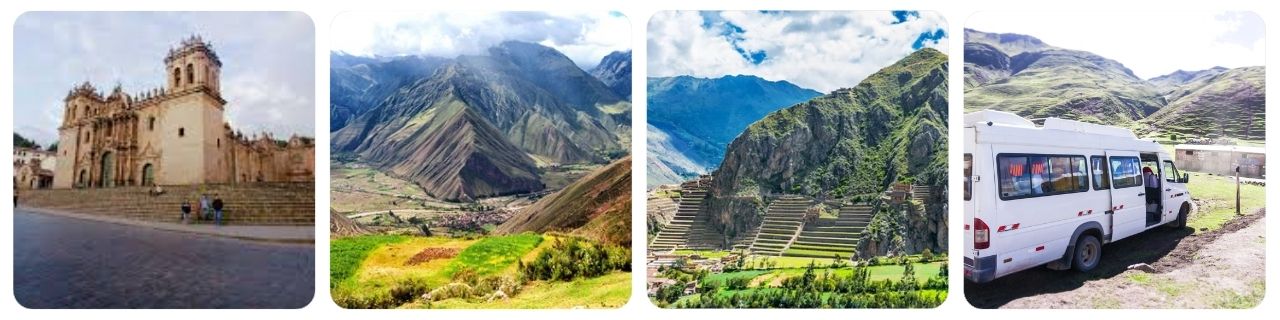
Thinking of traveling from Cusco to the Sacred Valley town of Ollantaytambo? Here’s how to compare colectivos, private taxis, tours, and self-drive so you can choose the route that fits your time, budget, and travel style.
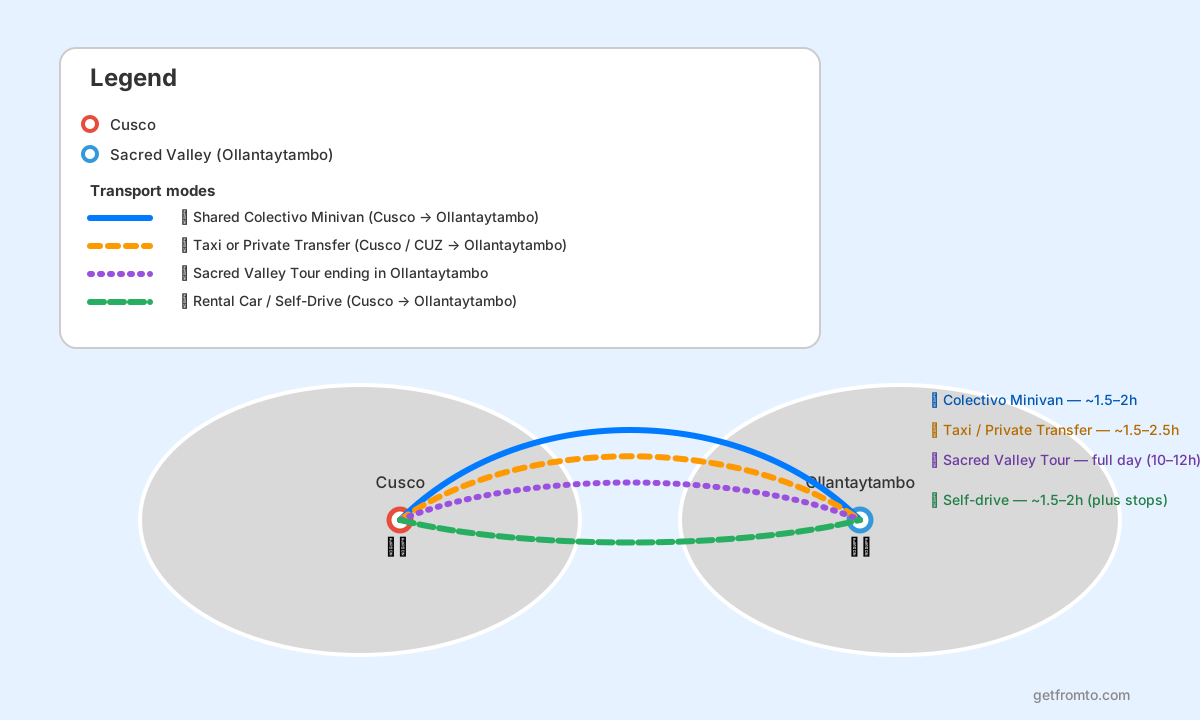
At A Glance (Cusco to Sacred Valley (Ollantaytambo))
| Mode | Duration | Best For |
|---|---|---|
| 🚐 Shared Colectivo Minivan (Cusco → Ollantaytambo) | ~1.5–2h | Most travelers, budget-friendly and fast |
| 🏷️ Cost: ~S/15–25 per person. » compare buses/vans | van options | ||
| 🚕 Taxi or Private Transfer (Cusco / CUZ → Ollantaytambo) | ~1.5–2.5h door-to-door | Comfort, groups, late arrivals |
| 🏷️ Cost: ~US$30–60 per vehicle. » compare taxis | airport pickup | alt. transfers | ||
| 🚌 Sacred Valley Tour ending in Ollantaytambo | Full-day (10–12h including sightseeing) | Sightseeing plus onward train to Machu Picchu |
| 🏷️ Cost: ~US$50–120 per person incl. transport. » tour options | more day tours | ||
| 🚗 Rental Car / Self-Drive (Cusco → Ollantaytambo) | ~1.5–2h driving (plus photo stops) | Maximum flexibility, exploring side valleys |
| 🏷️ Cost: From ~US$45–70 per rental day + fuel and tolls. » compare car rentals | alt. car hire | ||
Which Option or Route Should You Choose?
- Fastest / Most Convenient: Choose Option #2 – Taxi or Private Transfer if you are arriving by plane, traveling with heavy luggage, or want a simple door-to-door solution with no changes.
- Cheapest / Most Economical: Pick Option #1 – Shared Colectivo Minivan if you are comfortable with basic shared transport, have moderate luggage, and want to travel like the locals.
- Most Scenic / Built-in Sightseeing: Go for Option #3 – Sacred Valley Tour if you prefer to turn the transfer day into a full-day excursion visiting Pisac, Chinchero, Moray, Maras and Ollantaytambo.
- Most Flexible Schedule: Consider Option #4 – Rental Car / Self-Drive if you’re a confident mountain driver and want freedom to stop at villages, viewpoints, and lesser-known ruins whenever you like.
- Continuing to Machu Picchu: If you are catching an evening train from Ollantaytambo, prioritize reliability and timing. Taxi/private transfer or a well-reviewed tour with guaranteed Ollantaytambo drop-off work best, and you can pre-book trains and tours together on platforms such as GetYourGuide.
How to Book and Practical Tips
- Book key legs in advance in high season: From June–August and on major holidays, pre-book your bus or van tickets, tours, and trains where possible, especially if you need to connect with a Machu Picchu train.
- Use trusted platforms: For structured tours and private transfers, check recent reviews on sites like GetYourGuide or Klook. For long-distance shuttles, use aggregators such as 12Go.
- Reserve accommodation near your departure point: If you have an early start from Cusco, consider staying close to the historic center so you can quickly reach Calle Pavitos or your tour pickup. You can compare hotels in Cusco and Ollantaytambo on Booking.com or Trip.com.
- Airport arrivals: Landing at Alejandro Velasco Astete International Airport (CUZ) and heading straight to the Sacred Valley? Pre-book a private transfer via Welcome Pickups, GetTransfer.com, or similar services on GetYourGuide to save time and avoid haggling.
- Ride-hailing apps in Cusco: Depending on current availability, you can often use apps like Uber, DiDi, inDrive, or Cabify for short hops within Cusco (for example, from your hotel to Calle Pavitos), then switch to a colectivo or pre-booked transfer for the long leg.
- Travel light if possible: Narrow streets and crowded vans can be challenging with large suitcases. Consider dropping excess luggage in Cusco using storage services such as Radical Storage in Cusco City Center so you can enjoy the Valley hands‑free.
- Altitude and motion sickness: Both Cusco and Ollantaytambo are high-altitude destinations, and the road has curves. If you are prone to motion sickness, sit in the front of the vehicle and bring medication as recommended by your doctor.
- Cash vs card: Colectivos and many local taxis are cash-only. Carry small-denomination Peruvian soles for transport, snacks, and bathroom stops.
- Driving safety: If you self-drive, avoid night driving, watch for speed bumps (“rompe-muelles”), and be prepared for occasional animals, pedestrians, or roadworks on the route.
🚐 Option #1 — Shared Colectivo Minivan (Most Popular, Best Value)
Very low cost Frequent departures Limited luggage space
- Overview: Travel like locals do by taking a colectivo (shared minivan) from central Cusco (usually Calle Pavitos or around the San Pedro Market) directly to Ollantaytambo. Vans depart when full, typically every 20–30 minutes in the daytime, and take around 1.5–2 hours depending on traffic and stops.
- How to book (with price): Most travelers simply show up at the colectivo stand and pay the driver in cash (around S/15–20 per person). If you prefer to secure a seat in advance or want a shuttle with a fixed schedule, you can pre-book a bus or van on 12Go’s Cusco–Ollantaytambo route or check specific van operators.
- Pros: Cheapest option; very frequent departures; a chance to meet locals and enjoy mountain scenery; easy to arrange last minute.
- Cons: Limited luggage space (large suitcases are awkward); tight seating; departures are not at fixed times (leave when full); may make multiple stops along the way.
Step-by-step: Shared Colectivo Minivan
- From your accommodation in Cusco, take a short taxi or ride-hail to Calle Pavitos (or ask if there is a nearer colectivo stand near San Pedro Market). Agree the fare in advance or use an app.
- At the stand, confirm that the colectivo is going to Ollantaytambo (not just Urubamba) and ask the current price per person.
- Wait for the van to fill up. This can be very quick during the day; early mornings and evenings may take a bit longer.
- Place small bags on your lap or in overhead space and keep valuables with you. Larger backpacks often go in the back; check that the door is closed securely.
- Enjoy the ride through Chinchero and the Sacred Valley. The driver may stop briefly in Urubamba or smaller villages to drop off or pick up passengers.
- On arrival in Ollantaytambo, you’ll typically be dropped near the main square or on the road leading to the train station. From there, you can walk to most guesthouses, take a moto-taxi, or continue directly to the train station.
Getting to the main embarking points (Calle Pavitos and San Pedro)
- From most hotels in the historic center, Calle Pavitos is a short taxi or ride-hail trip away. Ask the driver for “Pavitos, colectivos a Ollantaytambo.”
- If you are near San Pedro Market, ask local vendors or your hotel where colectivos to Ollantaytambo currently depart; stands occasionally shift slightly over time.
- Expect basic facilities at the stand (simple shops or street food stalls). Use restrooms before leaving your hotel, as there are limited bathroom stops on the way.
- Have small bills (S/10 and S/20 notes) ready to make paying easier and faster.
- Locations/Trip Planner: 🔗 Google Map / 🔗 OpenStreetMap
🚕 Option #2 — Taxi or Private Transfer (Fastest & Most Comfortable)
Door-to-door Great with luggage Higher cost
- Overview: A taxi or private transfer will pick you up at your hotel in Cusco or directly from the airport and drive you straight to Ollantaytambo. The journey usually takes 1.5–2 hours from the city center and up to 2.5–3 hours from the airport depending on traffic and weather.
- How to book (with price): Typical prices range from about US$30–60 per car, depending on vehicle type and pickup point. You can compare and pre-book transfers on 12Go (taxi section), arrange an English-speaking driver with Welcome Pickups in Cusco, or shop around for offers via GetTransfer.com. There are also many private transfer listings on GetYourGuide.
- Pros: Door-to-door comfort; ideal with big bags or kids; flexible departure time; you can ask for photo stops; safer and more comfortable than hailing on the street at night.
- Cons: More expensive than colectivos; must be arranged in advance in peak season for best vehicles; prices vary widely between operators.
Step-by-step: Taxi or Private Transfer
- If arriving by air, decide whether to go via central Cusco or straight to Ollantaytambo. If you go straight, pre-book an airport pickup with a company like Welcome Pickups, GetTransfer, or a provider listed on 12Go or GetYourGuide.
- Share your flight details or hotel address with the operator so the driver knows where and when to meet you.
- Confirm the total price (including any tolls, night surcharges, or waiting time) and how you will pay (cash, card, or online).
- Meet your driver at the agreed point (hotel lobby or airport arrivals). Confirm your name and destination before getting into the car.
- During the ride, keep valuables with you, wear a seatbelt, and don’t hesitate to ask for short photo or bathroom stops along the way if needed.
- On arrival in Ollantaytambo, the driver can usually drop you at your accommodation or at the railway station if you’re catching a train.
Getting to the main embarking points (Cusco Historic Center and CUZ Airport)
- If you are staying in the historic center, most transfer companies will pick you up from your hotel door at no extra charge.
- From more remote neighborhoods, confirm whether pick-up is included or if you should meet the driver at a central point like Plaza de Armas or near the main avenues.
- At Alejandro Velasco Astete International Airport (CUZ), you will meet pre-booked drivers at the arrivals hall, or you can use licensed airport taxis just outside the terminal.
- For short rides within Cusco to meet your transfer, ride-hailing apps like Uber, DiDi, inDrive or Cabify are often available and can be cheaper and easier than negotiating street taxis.
- Locations/Trip Planner: 🔗 Google Map / 🔗 OpenStreetMap
🚌 Option #3 — Sacred Valley Tour ending in Ollantaytambo (Sightseeing + Transfer)
Sightseeing included Easy logistics Fixed schedule
- Overview: Many travelers turn the transfer to Ollantaytambo into a full-day Sacred Valley tour. Typical stops include Chinchero, Pisac, Moray, the Maras salt mines, and Ollantaytambo, with hotel pickup in Cusco and drop-off at Ollantaytambo’s town center or train station.
- How to book (with price): Shared-group tours often cost around US$50–80 per person, while private tours can range from US$100–200+ depending on group size and inclusions. You can find options that explicitly offer drop-off in Ollantaytambo station on platforms such as GetYourGuide’s Sacred Valley with Ollantaytambo transfer or browse more Sacred Valley excursions on Klook.
- Pros: Efficient use of time; guided commentary; convenient for connecting to an evening train to Machu Picchu from Ollantaytambo; often includes hotel pickup, lunch, and entrance guidance.
- Cons: Fixed schedule with limited free time in each stop; less flexibility with luggage (check the tour’s baggage policy); can be tiring on very long days.
Step-by-step: Sacred Valley Tour to Ollantaytambo
- Choose a tour that clearly states “drop-off in Ollantaytambo” or “Ollantaytambo train station” in the description, especially if you will catch a train afterward.
- Book online in advance, double-checking what is included (transport only, or also lunch and entrance fees). Some tours require the separate Boleto Turístico del Cusco (tourist ticket) for archaeological sites.
- Confirm pickup time and location with the operator the day before (hotel lobby, main square, or another landmark).
- On the tour day, bring your passport, ticket or booking confirmation, some cash in soles, water, sun protection, and a small daypack.
- Enjoy the series of stops across the valley. Keep an eye on the clock if you have a train connection, and remind the guide of your departure time from Ollantaytambo station.
- At the end of the day, you’ll be dropped off in Ollantaytambo (town or station). From there, you can check in to your hotel or board your Machu Picchu train.
Getting to the main embarking points (Cusco City Hotels and Tour Pickups)
- Most tours include pickup from central Cusco hotels and hostels. If your accommodation is outside the pickup zone, the operator will usually give you a nearby meeting point.
- Allow extra time in the morning for traffic. Being a few minutes early for pickup is better than chasing the bus through town.
- Some tours require you to get your tourist ticket in advance; you can buy it in Cusco at official sales points before the tour day.
- If you have large suitcases, confirm with the operator beforehand that they can be stored in the vehicle during the day, or consider leaving them with a dedicated storage service in Cusco and just bring an overnight bag.
- Locations/Trip Planner: 🔗 Google Map / 🔗 OpenStreetMap
🚗 Option #4 — Rental Car / Self-Drive (Most Flexibility)
Flexible itinerary Great for side trips Requires confident driving
- Overview: Renting a car in Cusco gives you total freedom to explore the Sacred Valley at your own pace. You can detour to lookout points, lesser-known ruins, or quiet villages, then end the day in Ollantaytambo. The drive is about 60–70 km (around 1.5–2 hours) via Chinchero or via Pisac/Urubamba.
- How to book (with price): Daily rental rates in Cusco often start around US$45–70 for a small car, excluding insurance and fuel. Compare offers and pickup locations on Booking.com Car Rentals or check regional deals via Trip.com car hire. Always review insurance coverage, deposit requirements, and mileage limits.
- Pros: Maximum independence; easy to reach viewpoints and small villages; practical for families or groups who want to split costs.
- Cons: Andean driving conditions (curves, altitude, occasional fog); limited parking in some historic areas; one driver must stay sober and focused; rental deposits can be high.
- Alternative on two wheels: Experienced riders can consider a motorcycle or scooter rental (only if familiar with mountain roads) using services listed on platforms like BikesBooking or local operators in Cusco.
Step-by-step: Self-Drive from Cusco to Ollantaytambo
- Reserve your car online in advance, selecting manual or automatic transmission and confirming whether your license and international driving permit (if needed) are accepted.
- Pick up the car in Cusco, inspect it carefully, and take photos of any existing scratches or dents. Confirm where to return the car if you plan to drop it later in Cusco after a few days in the Valley.
- Set your navigation app to “Ollantaytambo” and choose either the Chinchero route (more direct) or via Pisac/Urubamba (longer but with more stops).
- Drive cautiously, respecting speed limits and watching for speed bumps and animals. Plan fuel stops in Cusco or Urubamba; smaller villages may not have gas stations.
- On arrival in Ollantaytambo, park in a designated lot or at your accommodation, especially if you plan to leave the car while you visit Machu Picchu.
Getting to the main embarking points (Rental Car Offices in Cusco)
- Most major rental agencies have offices near Cusco’s historic center or along main avenues. Choose a location easy to reach by foot or a short taxi ride from your hotel.
- When picking up the car, confirm operating hours so that vehicle return fits your schedule (especially if you have a late train or flight).
- Ask the rental staff about current road conditions, recommended routes, and any local driving tips (roadworks, typical police checkpoints, etc.).
- If you plan a multi-day Sacred Valley road trip, map out overnight stays in places like Urubamba and Ollantaytambo; you can reserve hotels via Booking.com or similar platforms.
- Locations/Trip Planner: 🔗 Google Map / 🔗 OpenStreetMap
FAQ (Cusco to Sacred Valley (Ollantaytambo))
How long does it take to travel from Cusco to Ollantaytambo?
The fastest journeys by private car or taxi usually take about 1.5–2 hours from central Cusco in good conditions. Colectivos and buses typically take 1.5–2 hours, but can be slower with traffic or multiple stops. If you are on a full-day Sacred Valley tour, expect 10–12 hours including sightseeing before you arrive in Ollantaytambo.
Is it better to stay in Cusco or Ollantaytambo before visiting Machu Picchu?
Many travelers choose to spend at least one night in Ollantaytambo before an early train to Machu Picchu because the town is lower in altitude than Cusco and closer to the train station. Staying in Cusco, however, gives you more restaurant and nightlife options. A popular plan is to spend a few nights in Cusco, then move to Ollantaytambo for one night before traveling onward.
Can I travel from Cusco to Ollantaytambo with large luggage?
Yes, but your choice of transport matters. Colectivos have limited space and may struggle with huge suitcases. Taxis, private transfers, and tours using minibuses are generally better for travelers with large or multiple bags. If you plan to hike or overnight in the mountains, consider leaving extra luggage in a storage service in Cusco and carrying only what you need.
Is the road from Cusco to Ollantaytambo safe?
The main road between Cusco and the Sacred Valley is paved and widely used by locals and tourists. However, it is a mountain road with curves, occasional fog or rain, and variable driving standards. Traveling by day, using reputable transport providers, and avoiding night driving where possible increases comfort and safety. Always wear a seatbelt and keep valuables close.
Do I need to book in advance, or can I just show up?
For colectivos, you can usually just show up at the stand and wait for the next departure. For private transfers, tours, and connections to Machu Picchu trains, advance booking is strongly recommended—especially in high season or if your schedule is tight. Booking ahead via trusted platforms can also lock in better prices and clearer terms.





Related Tours/Services
Popular Routes
Recent Routes
- How to get from PortMiami Cruise Terminal to Miami International Airport
- How to get from Samarkand to Bukhara
- How to get from Bell Tower (Xi’an) to Xi’an North Railway Station
- How to get from Canal City Hakata to Hakata Station
- How to get from Rialto Bridge (Venice) to Venezia Santa Lucia Station
- How to get from Florence Cathedral (Duomo) to Firenze Santa Maria Novella Station
- How to get from Nice to Paris
- How to get from Ribeira District (Porto) to Porto Campanhã Station
- How to get from Anne Frank House to Amsterdam Sloterdijk Station
- How to get from Buckingham Palace to London Victoria Station
Top Travel Gears

DUDE Wipes Unscented Pocket Packs, Adult Flushable Travel Wipes, 48 Count

zelin Anti Theft Zipper Clips, Travel Essentials, Carabiner, 4Pcs Grey

INIU 10000mAh 45W Fast Charging Portable Charger, Smaller Travel Power Bank | Flight-Safe, Detachable USB C Cable, Travel Essential, External Battery Phone Pack for iPhone 18 17 Samsung iPad etc
travel inspira Luggage Scale Digital Suitcase Weight Scale for Travel
2026 Travel Essentials for Apple Watch Charger,Cruise Vacation Camping Essentials,iPhone Charger,Multi Charging Cable,3 in 2 Charging Docks for iWatch Series 12 11-2/Ultra,iPhone 18 17-12,Car