
How to get from Belem to Marajo Island
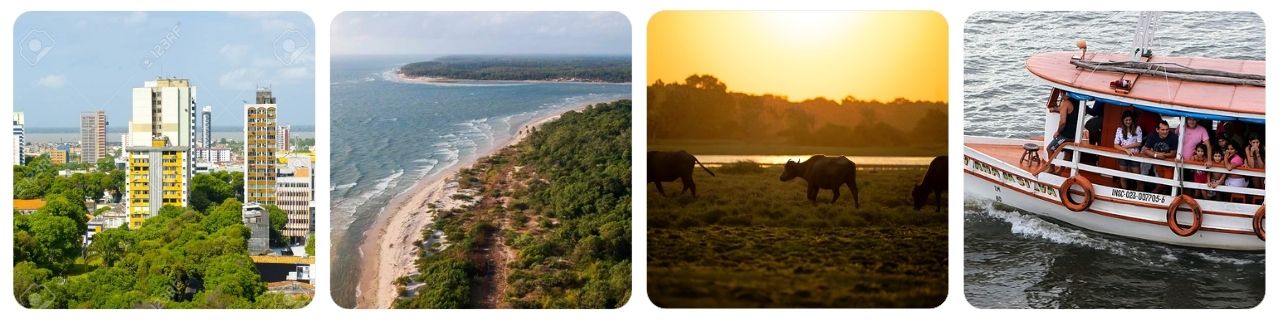
How to get from Belém to Marajó Island (Soure, Salvaterra and the wider archipelago) by ferry, fast boat, tours and even small planes – plus how to connect from Belém airport and where to book each option.
At A Glance (Belem to Marajo Island)
| Mode | Duration | Best For |
|---|---|---|
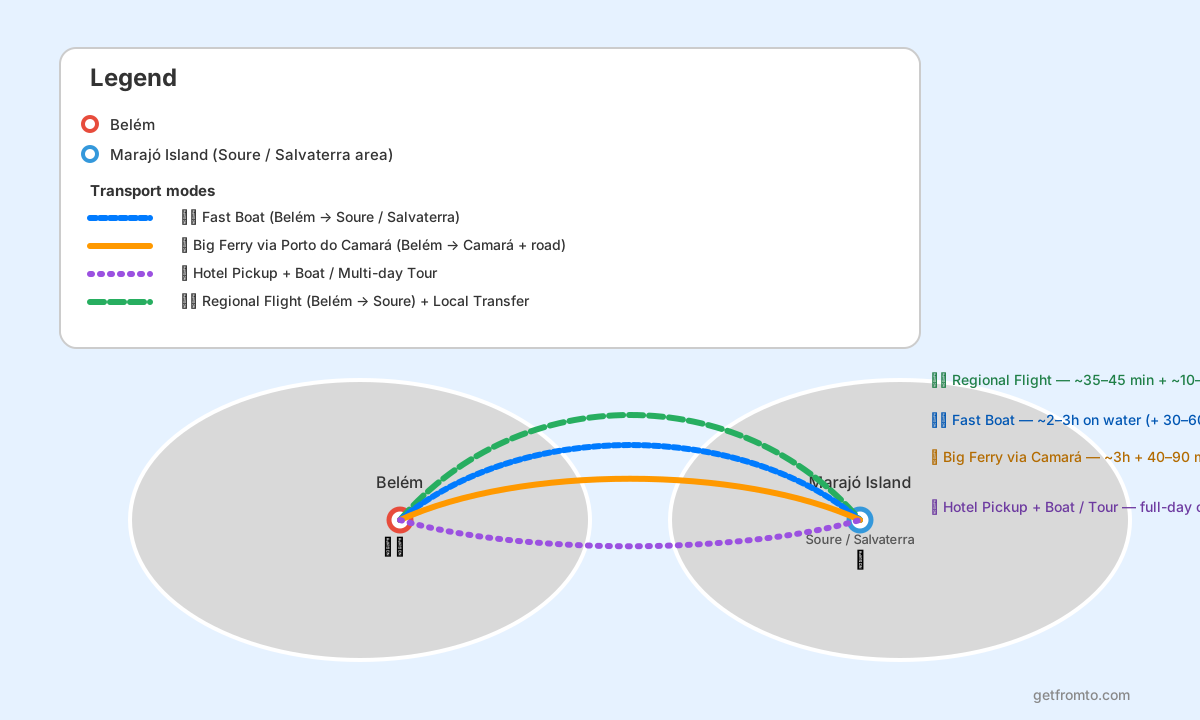
| ⛴️ Fast Boat (Belém → Soure/Salvaterra) | ~2–3h on water (+ 30–60m local transfer on Marajó) | Most travelers, short breaks, simple logistics |
| 🏷️ Cost: ~R$70–R$120 one-way depending on operator and seat class » check sample ferry times | ||
| 🚢 Big Ferry via Porto do Camará (Belém → Camará + road) | ~3h ferry + 40–90m road/ferry to Soure/Salvaterra | Budget travelers, those with vehicles |
| 🏷️ Cost: Ferry ~R$25–R$40 + local transfers ~R$15–R$40 | ||
| 🚌 Hotel Pickup + Boat / Multi-day Tour | Full-day or 2–4 days including activities | Hassle-free travel, guided experiences |
| 🏷️ Cost: ~R$600–R$2,500+ per person depending on length and inclusions » sample multi-day tour | ||
| ✈️ Regional Flight (Belém → Soure) + Local Transfer | ~35–45m flight + 10–20m airport–hotel transfer | Time-pressed, higher budgets, light luggage |
| 🏷️ Cost: Often from ~R$300–R$800+ one-way when available » check Soure flights | ||
Which Option or Route Should You Choose?
- Fastest and most convenient overall: For most visitors based in Soure or Salvaterra, the fast boat from Belém is the sweet spot: quick crossing, simple logistics and several departures a day in high season.
- Cheapest / most economical: The big ferry via Porto do Camará is usually the lowest-cost choice, especially if you are traveling with a car or lots of luggage and do not mind a slower, more local-style journey.
- Most hassle-free (especially with kids or older travelers): Choose a door-to-door package or guided tour that includes hotel pickup in Belém, boat tickets, island transfers and excursions so you do not have to think about connections.
- Maximum time on the island with minimal transfers: If there are seats and schedules that match your dates, a regional flight to Soure can save time, but availability is limited and prices are higher than the boats.
How to Book and Practical Tips
- Book boats at least a day or two ahead in busy periods. Weekends, local holidays and July school vacations can see boats sell out; buy tickets in advance at the Terminal Hidroviário de Belém or through your pousada on Marajó.
- Use online platforms for the long legs. If you are flying into Belém from other parts of Brazil, compare fares on Booking.com Flights or look at route combinations on 12Go for long-distance buses and flights before planning your connection to the island.
- Stay close to the port if you have an early boat. Look for hotels near the historic center and Estação das Docas in Belém on Booking.com Belém hotels so you can reach the terminal quickly in the morning.
- Organize accommodation on Marajó in advance. Soure and Salvaterra are small; browse pousadas and eco-lodges on Booking.com Soure listings, especially in peak season and around holidays like Círio de Nazaré.
- Arrange port transfers ahead of time. From Belém/Val de Cans Airport, you can take Uber or 99, or pre-book a private car via GetTransfer in Brazil to go straight to the river terminal with your luggage.
- Travel light and protect from spray. Bags may get damp in open sections of the deck; use dry bags or plastic liners and keep electronics and documents in hand luggage.
- Consider luggage storage if you are looping back to Belém. If you are returning to Belém after Marajó and do not want to carry everything, store extra bags with providers like Radical Storage in Belém near Praça da República.
- Bring cash in Brazilian reais. Many ticket counters and on-board snack bars are cash-based; ATMs on the island are limited and sometimes offline.
- Respect tides and weather. In the Amazon, schedules can change due to river levels and storms. Always re-confirm departure times the day before and allow buffer time for flight connections.
- Explore on two wheels if you stay longer. Once on Marajó, ask around locally for bicycle and motorbike rental, or compare providers in Brazil on BikesBooking and in Belém itself.
⛴️ Option #1 — Fast Boat (Belém → Soure/Salvaterra)
Most popular Fast crossing Limited luggage
- Overview: High-speed passenger boats (lanchas rápidas) run from the Terminal Hidroviário de Belém, near Estação das Docas, directly to Soure and sometimes to Salvaterra. The trip usually takes around 2–3 hours, depending on boat type and river conditions.
- Typical schedule: There are usually morning departures and sometimes additional services later in the day, with more options in high season. Exact times may change, so always confirm locally or on the operator’s website.
- How to book (with price): Expect to pay roughly R$70–R$120 one-way per adult, depending on the company and seat type (standard vs. air‑conditioned cabin). Tickets are sold at the Terminal Hidroviário de Belém ticket windows; some operators and local agencies also allow reservations by WhatsApp or email. Your pousada in Soure or Salvaterra can often purchase tickets on your behalf for a small fee.
- Comfort and facilities: Modern boats are usually fully enclosed with air-conditioning, reclining seats, toilets and an on-board snack bar. It can get chilly inside; bring a light layer even in hot weather.
- Pros: Fastest regular route; straightforward logistics; frequent departures in busy periods; comfortable enough for families and older travelers.
- Cons: Luggage space can be tight in peak season; limited outdoor deck access; departures may be affected by strong winds or storms; tickets can sell out on holiday weekends.
Step-by-step: Fast Boat from Belém to Soure/Salvaterra
- Reserve your seat. As soon as you know your dates, ask your hotel in Belém or on Marajó to check availability on the fast boats, or go to the Terminal Hidroviário ticket counters at least a day in advance to buy tickets.
- Get from the airport or your hotel to the terminal. From Belém/Val de Cans Airport (BEL), you can take a licensed airport taxi, order a ride through Uber or the local app 99, or pre-book a private transfer using GetTransfer’s Brazil service. From central hotels near Cidade Velha or Batista Campos, taxis and ride-hailing apps are quick and inexpensive.
- Arrive early. Plan to be at the terminal 45–60 minutes before departure to allow time to pay any terminal fee, check luggage and find your boarding gate.
- Check in and board. Show your ticket and ID (passport or Brazilian ID), tag large bags if required and follow staff instructions to board. Keep valuables with you in a small daypack.
- Enjoy the crossing. Sit back and watch the Amazonian scenery pass by. The ride can be a little bumpy in choppy water near the bay entrance; if you are prone to motion sickness, bring medication and choose a seat near the center of the vessel.
- On arrival at Soure or Salvaterra. Disembark, collect checked bags and look for taxis, moto-taxis or pre-arranged transfers from your pousada. Many accommodations in Soure offer pick-up from the pier if you request it in advance through platforms like Booking.com.
Getting to the main embarking points (Belém riverfront)
- Terminal Hidroviário de Belém: Located close to Estação das Docas and Ver-o-Peso market, this is the main departure point for fast boats and many ferries to Marajó. From most downtown hotels it is a short taxi or ride-hail ride; allow extra time during rush hour.
- Estação das Docas area: Even if your boat does not depart directly from the Estação das Docas piers, many operators have offices nearby, and the area is a useful landmark with restaurants and views over the river.
- Airport to river: From BEL airport, rides with Uber or 99 usually take around 20–30 minutes to the terminal, depending on traffic. Follow the airport’s official instructions for ride-hailing pickups, such as those listed on Uber’s Belém airport page.
- Locations/Trip Planner: 🔗 Google Map / 🔗 OpenStreetMap
🚢 Option #2 — Big Ferry via Porto do Camará (Belém → Camará + bus to Soure/Salvaterra)
Cheapest Vehicle-friendly Longer travel time
- Overview: Large ferries operated by companies such as BANAV sail from the Terminal Hidroviário de Belém to Porto do Camará on Marajó. From there you continue by bus, van or taxi to Salvaterra, and onward by short ferry or road to Soure and other communities.
- Travel time: The ferry crossing itself is typically around 3 hours. Add 30–40 minutes by road from Camará to Salvaterra and another 30–40 minutes to Soure (including the short ferry between Salvaterra and Soure) for a total of roughly 4–5 hours door to door.
- How to book (with price): Expect to pay roughly R$25–R$40 per person for a standard seat on the ferry. Check current schedules and classes (regular vs. faster catamaran) on BANAV’s official pages like Horários BANAV. Local buses and shared vans from Camará to Salvaterra or Soure typically cost R$15–R$30.
- Vehicles and cargo: Some ferries can take cars and motorbikes; confirm space and tariffs well in advance if you are bringing a vehicle, especially during holidays.
- Pros: Lowest cost per person; a very local experience with great river views from open decks; more luggage and cargo accepted; suitable for travelers with cars.
- Cons: Slower than the fast boats; more steps (port transfer + ferry + road + possibly another small ferry); basic seating and facilities; can be crowded on holidays.
Step-by-step: Ferry via Porto do Camará
- Confirm departure times. Look up recent schedules on BANAV’s timetable page or ask at your Belém hotel. Schedules can change seasonally and around events like Círio de Nazaré.
- Buy your ticket at the terminal. Arrive at the Terminal Hidroviário de Belém and purchase ferry tickets at the appropriate counter. If you are bringing a vehicle, you may need to reserve a spot days in advance.
- Board the ferry. Show ID and ticket, then settle into your chosen class (inside seating or open deck). Secure valuables and keep essentials handy, as your main bag might be stored.
- Arrive at Porto do Camará. Once in Camará, follow the stream of passengers to the bus or van area. Ask drivers whether they are heading to Salvaterra, Soure or another town on Marajó.
- Continue to your final town. Take the road vehicle to Salvaterra, then connect by bus or small ferry to Soure or on to other villages and ranches (fazendas) depending on your plan.
- Check return options. Before leaving the terminal in Camará or Belém, note the return schedules for your desired day, especially if you are visiting for only one or two nights.
Getting to the main embarking points (Belém and Porto do Camará)
- Terminal Hidroviário de Belém: Same location and access as for the fast boats; taxis, Uber and 99 are the easiest way to reach it from most hotels or from BEL airport.
- Porto do Camará: The main gateway on Marajó for big ferries. Facilities are basic but usually include ticket counters, simple food stalls and parking. It is the junction point for road connections to Salvaterra, Soure and other communities.
- Locations/Trip Planner: 🔗 Google Map / 🔗 OpenStreetMap
🚌 Option #3 — Hotel Pickup + Boat / Guided Tour (Most Hassle-free)
All-in-one Guided activities Higher cost
- Overview: Many travelers prefer to visit Marajó on an organized package that includes hotel pickup in Belém, boat tickets, transfers on the island and guided visits to beaches, buffalo farms, mangroves and artisan villages. Options range from long day trips to 2–4 day immersions with lodging.
- How to book (with price): Expect tours to start around R$600–R$900 per person for a very full day, and from roughly R$1,600–R$2,500+ for multi-day packages including accommodation and some meals. You can compare itineraries and reviews on platforms such as GetYourGuide’s Marajó excursions or look for Brazil packages that include Belém and Marajó on Trip.com’s Marajó attractions pages.
- What is included: Typically hotel pickup and drop-off in Belém, boat or ferry tickets, shuttles to Soure/Salvaterra, bilingual guide services and a set program of activities (such as buffalo rides, canoe tours and visits to ceramic artisans).
- Pros: Minimal planning; clear pricing; local guides who know tides, wildlife and culture; great for travelers who speak little Portuguese or have limited time.
- Cons: More expensive than traveling independently; less flexibility to change plans; itineraries may feel rushed if done as a single-day trip.
Step-by-step: Door-to-door package from Belém
- Compare tour options. Use platforms like GetYourGuide’s Belém activities and local Brazilian agencies to compare one-day and multi-day Marajó tours, looking carefully at what is included and group sizes.
- Align your flights and hotel nights. Make sure your arrival in Belém allows at least one free evening before an early tour departure. You can find hotels near the pickup areas on Booking.com.
- Confirm pick-up details. After booking, share your Belém hotel address and WhatsApp contact with the operator and reconfirm the exact pickup time the day before.
- Pack a day bag. Bring water, sun protection, insect repellent, a light rain jacket, swimwear and any medications. Many activities involve walking on muddy or sandy terrain; closed-toe sandals or light trekking shoes are ideal.
- Relax and follow your guide. The operator will handle tickets, ferry connections and local transfers while you focus on wildlife, landscapes and cultural experiences.
Getting to the main embarking points (tour departures)
- Hotel pickups in Belém: Tours usually include pickup from central hotels in Belém. If you are staying outside the main area, you may be asked to meet at a central hotel or directly at the terminal.
- Tour meeting points: Some operators start from near Estação das Docas or the Terminal Hidroviário; your voucher will specify the exact spot and time.
- Locations/Trip Planner: 🔗 Google Map / 🔗 OpenStreetMap
✈️ Option #4 — Regional Flight Belém → Soure (Limited, Higher Cost)
Time-saving Great aerial views Limited availability
- Overview: From time to time, regional airlines or air-taxi operators run small planes between Belém and Soure’s airstrip, often under state-supported initiatives or as charter flights. This is the quickest way to reach Marajó but is not as frequent or predictable as the boats.
- Travel time: Flight time is around 35–45 minutes, plus 10–20 minutes by taxi or transfer from Soure’s airstrip to most lodgings.
- How to book (with price): When regular services are operating, you may find tickets from roughly R$300–R$800+ one-way depending on the season and airline. You can search for flights to Soure (code SFK) on platforms like Trip.com. For private charters, specialized brokers such as Flapper air taxi quote prices on request and are usually much more expensive than ferries.
- Luggage and weather limitations: Small aircraft have strict weight limits; you may have to leave large suitcases in Belém or pay extra. Flights are also more susceptible to weather delays in heavy rain or low visibility.
- Pros: Fastest way to the island; unforgettable views of the Amazon delta and Marajó’s wetlands from the air; good option for those on tight schedules.
- Cons: Limited seats and irregular schedules; higher cost; stricter baggage rules; booking information is less centralized than for boats.
Step-by-step: Regional flight from Belém to Soure
- Check whether flights are running for your dates. Search Belém–Soure options on Trip.com, contact local airlines recommended by your hotel in Belém, or inquire with air-taxi brokers such as Flapper.
- Coordinate with your island accommodation. Confirm that your pousada in Soure can pick you up from the small airstrip or advise on the best taxi or moto-taxi options.
- Travel to Belém airport. Use airport taxis, Uber or 99, or pre-book a ride via GetTransfer. Aim to be at the domestic check-in area at least 60–90 minutes before departure, more if required by your operator.
- Board the flight. Observe weight limits carefully; sometimes luggage beyond a certain allowance may need to go on a separate flight.
- Arrival in Soure. Once you land, meet your pre-arranged transfer or take a local taxi to your pousada. Roads in and around Soure are mostly unpaved; expect a bit of bouncing.
Getting to the main embarking points (airports)
- Belém/Val de Cans (BEL): The main international and domestic gateway for the region. It has regular taxi and ride-hailing services, plus shuttle options on busy event days.
- Soure airstrip: A simple regional airfield a short drive from town; there are no major car-rental desks on site, so plan transfers in advance with your pousada or via local taxis.
- Locations/Trip Planner: 🔗 Google Map / 🔗 OpenStreetMap
FAQ (Belem to Marajo Island)
How long does it take to get from Belém to Marajó Island?
For most travelers going to Soure or Salvaterra, expect around 2–3 hours on a fast boat plus transfers, or about 4–5 hours total if you use the big ferry via Porto do Camará. Door-to-door tour packages can take a full day of travel and activities, while regional flights (when available) take under an hour in the air plus short transfers.
Do I need to book the ferry or fast boat in advance?
It is strongly recommended to buy tickets at least a day in advance during weekends, Brazilian holidays (especially around Círio de Nazaré and school breaks) and between July and January, when demand is higher. Outside peak times, you can sometimes buy tickets on the same day, but boats can still fill up in good weather.
Can I bring a car to Marajó?
Yes, some large ferries between Belém and Porto do Camará carry vehicles, but space is limited and must usually be reserved in advance. Driving on Marajó often means unpaved, muddy roads; a high-clearance vehicle is recommended, especially in the rainy season.
Is the crossing safe and comfortable?
Crossings are generally safe, and both fast boats and big ferries are widely used by locals. The rivers and Marajó Bay can be choppy, so if you are prone to motion sickness, bring medication, choose an inside seat near the center of the vessel and avoid heavy meals just before departure.
When is the best time to visit Marajó?
The Amazon region has a rainy and a drier season rather than the classic four seasons. Many travelers prefer the relatively drier months (roughly July to December) for more sunshine and easier road conditions, while the wetter months offer greener landscapes and more dramatic skies. Always check up-to-date advice on conditions before you go.
Are there ATMs and card payments on the island?
There are a few ATMs and card-accepting businesses in Soure and Salvaterra, but they can be limited or occasionally offline. Bring enough cash in Brazilian reais from Belém for tickets, small restaurants, tours, and tips.
- useful references:
- https://www.banav.com.br/horario
- https://www.cph.pa.gov.br/
- https://visitbrasil.com/pt/location/ilha-de-marajo/
- https://www.setur.pa.gov.br/polo-marajo





Related Tours/Services
Popular Routes
Recent Routes
- How to get from PortMiami Cruise Terminal to Miami International Airport
- How to get from Samarkand to Bukhara
- How to get from Bell Tower (Xi’an) to Xi’an North Railway Station
- How to get from Canal City Hakata to Hakata Station
- How to get from Rialto Bridge (Venice) to Venezia Santa Lucia Station
- How to get from Florence Cathedral (Duomo) to Firenze Santa Maria Novella Station
- How to get from Nice to Paris
- How to get from Ribeira District (Porto) to Porto Campanhã Station
- How to get from Anne Frank House to Amsterdam Sloterdijk Station
- How to get from Buckingham Palace to London Victoria Station
Top Travel Gears

DUDE Wipes Unscented Pocket Packs, Adult Flushable Travel Wipes, 48 Count

zelin Anti Theft Zipper Clips, Travel Essentials, Carabiner, 4Pcs Grey

INIU 10000mAh 45W Fast Charging Portable Charger, Smaller Travel Power Bank | Flight-Safe, Detachable USB C Cable, Travel Essential, External Battery Phone Pack for iPhone 18 17 Samsung iPad etc
travel inspira Luggage Scale Digital Suitcase Weight Scale for Travel
2026 Travel Essentials for Apple Watch Charger,Cruise Vacation Camping Essentials,iPhone Charger,Multi Charging Cable,3 in 2 Charging Docks for iWatch Series 12 11-2/Ultra,iPhone 18 17-12,Car