
How to get from Cusco to Ausangate
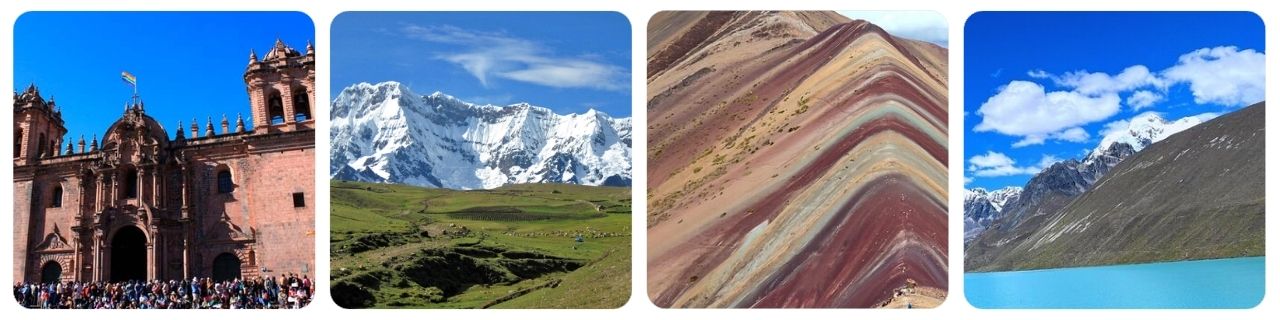
Getting from Cusco to Ausangate means reaching high Andean villages like Tinki or Pacchanta at the base of the glacier, then continuing on foot along high-altitude trails; below are the main ways to get there, from fully guided treks to DIY bus and taxi combos, plus step-by-step logistics for each option.
At A Glance (Cusco to Ausangate)
| Mode | Duration | Best For |
|---|---|---|
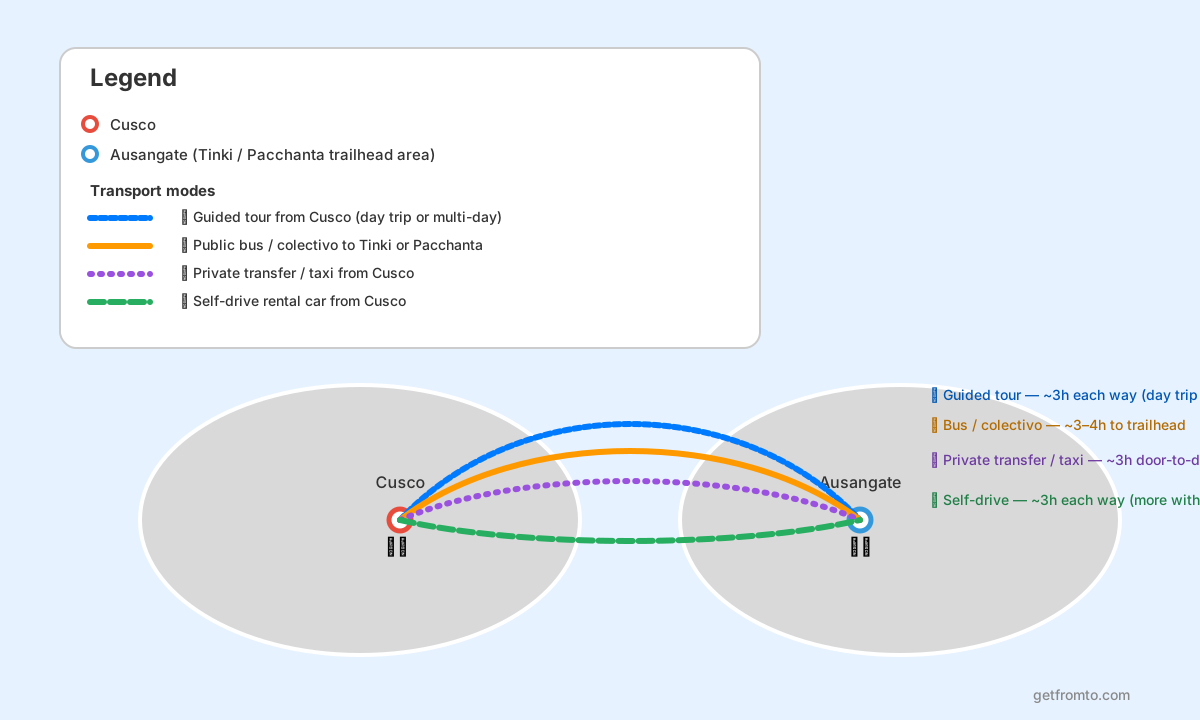
| 🚌 Guided tour from Cusco (day trip or multi-day) | ~3h drive each way (day trip 12–14h; multi-day 3–6 days) | Most travelers, hassle-free logistics |
| 🏷️ Cost: ~S/150–400 pp for day trips; multi-day treks from ~S/900 pp. » compare Ausangate tours | alt. Cusco tours | ||
| 🚐 Public bus / colectivo to Tinki or Pacchanta | ~3–4h road to trailhead (+5–8h hiking per day) | Budget hikers, experienced & independent |
| 🏷️ Cost: ~S/20–40 pp each way (bus/colectivo) + local transfers and camping costs. | ||
| 🚖 Private transfer / taxi from Cusco | ~3h door-to-door (Cusco→Pacchanta/Tinki) | Groups, heavy gear, flexible schedules |
| 🏷️ Cost: From ~S/300–600 per vehicle round-trip depending on group size and negotiation. » check private cars | ||
| 🚗 Self-drive rental car from Cusco | ~3h drive each way (more with photo stops) | Confident mountain drivers, max flexibility |
| 🏷️ Cost: Car rental from ~US$40–70/day plus fuel and tolls. » compare rentals | ||
Which Option or Route Should You Choose?
- Fastest / Easiest: Guided tours from Cusco are the simplest way to see Ausangate or the 7 Lakes in a long day or on a multi-day trek with transport, meals and a guide bundled.
- Cheapest / Most Local: Public buses and colectivos to Tinki or Pacchanta are the most economical choice if you’re experienced at high altitude and comfortable arranging guides and camping on the spot.
- Best for Groups & Gear: Private transfers from Cusco work well if you have 3–6 people, lots of camping equipment, or want to control your departure time.
- Most Flexible / Scenic: Self-drive lets you stop in small Andean villages and viewpoints along the Interoceanic Highway, but requires solid mountain driving skills and comfort with gravel roads.
How to Book and Practical Tips
- Book tours a few days ahead in high season: June–August and holiday weeks can sell out. Compare Ausangate day trips and treks on GetYourGuide or browse alternative trekking and day tours from Cusco on Klook.
- Sort your Cusco base first: Stay in or near the historic center so early pick-ups are easy. You can compare hotels and guesthouses on Booking.com (Cusco).
- Store extra luggage in Cusco: Multi-day hikes are much easier with a light pack. Use a hotel’s left-luggage room or a service like Radical Storage Cusco City Center if your accommodation can’t hold bags.
- Expect altitude and cold: Ausangate trails reach 4,500–5,200 m. Spend at least 2–3 nights acclimatizing in Cusco, and pack proper layers, rain gear, sun protection and a sleeping bag rated to at least -5°C.
- Cash is king in the mountains: Small communities near Ausangate often don’t accept cards. Carry enough soles for transport, meals, hot springs and local campground or community fees.
- Ride-hailing in Cusco: Apps like Uber and inDrive operate within the city and can be handy to reach meeting points or bus terminals, but they are not reliable for remote mountain roads—use agencies, taxis or booked transfers for Ausangate itself.
🚌 Option #1 — Guided Tour from Cusco (Most Popular, Hassle-free)
Door-to-door Guide included Fixed itinerary
- Overview: Agencies in Cusco offer full-day hikes to the Ausangate 7 Lakes (often via Pacchanta) and multi-day Ausangate circuit treks with transport, guide, meals, camping gear and sometimes pack animals included.
- How to book (with price): Full-day 7 Lakes tours usually cost around S/150–250 per person including hotel pickup, breakfast, lunch and hot springs stop. Multi-day Ausangate treks (3–6 days) range from roughly S/900–2,000 per person depending on group size and inclusions. Compare itineraries and reviews on GetYourGuide Ausangate 7 Lakes or look at other Ausangate trekking packages in their Cusco listings.
- Pros: Easiest option; no need to worry about buses or finding guides in small villages; meals are handled; usually includes emergency oxygen and first-aid.
- Cons: Less flexibility in pace and route; you’re tied to group size and schedule; cheaper tour options may feel rushed.
- Official info to check: Before booking, it’s worth reading general guidance on protected areas and high-Andes trekking from Peru’s park authority at SERNANP.
Step-by-step: Guided Tour from Cusco
- Choose whether you want a day trip (7 Lakes and Pacchanta hot springs) or a multi-day Ausangate circuit. Day trips are long but easier; circuits require good fitness and camping tolerance.
- Compare tour options on GetYourGuide or via a local agency in Cusco’s historic center, checking group size, maximum altitude, distance and what gear is included.
- Confirm pick-up time and address. Most tours collect you from central hotels or a single meeting point near Plaza de Armas—another reason to stay central via Booking.com.
- On the day, be ready 10–15 minutes early with passport, water, snacks, layers and cash for hot springs and local fees; agency buses usually drive Cusco → Tinki → Pacchanta or another starting village.
- After the hike, most tours include a stop at Pacchanta hot springs to soak tired legs before returning to Cusco late evening.
Getting to the main embarking points (Cusco Historic Center & Tour Pick-up Spots)
- From Alejandro Velasco Astete Airport (CUZ) to central hotels: Take a licensed airport taxi or reserve a transfer in advance; it’s about 20–30 minutes to the historic center depending on traffic.
- Within Cusco: Most tours pick up around San Blas or Plaza de Armas. If your accommodation is further out, use a local taxi or ride-hailing app like Uber or inDrive to meet the group.
- Locations/Trip Planner: 🔗 Google Map / 🔗 OpenStreetMap
🚐 Option #2 — Public Bus / Colectivo to Tinki or Pacchanta (Cheapest, Most Independent)
Budget-friendly Local experience Requires Spanish & confidence
- Overview: Independent trekkers often travel by public bus or colectivo from Cusco along the Interoceanic Highway toward Tinki or Ocongate, then continue by local transport or on foot to Pacchanta or other small trailhead communities.
- How to book (with price): Buses and colectivos can’t usually be booked online; you pay in cash at the departure street or terminal. Expect around S/20–30 per person from Cusco to Tinki or Ocongate, then another S/10–20 for a shared taxi or pickup to Pacchanta depending on availability.
- Pros: Lowest cost; more contact with local communities; maximum flexibility for experienced hikers who want to design their own Ausangate circuit.
- Cons: Signs are often only in Spanish or Quechua; buses do not run on a strict timetable; vehicles may be basic and crowded; in poor weather services can be reduced.
- Safety / regulations: Check current route conditions, weather and guidance about protected areas via official channels like SERNANP or information points in Cusco before heading out.
Step-by-step: Public Transport to Ausangate
- Spend at least 2–3 days in Cusco to acclimatize (3,400 m) and organize maps, camping gear and cash. Many trekkers buy or rent gear in the San Blas area.
- Ask at your hostel or a local agency where the latest buses to Tinki/Ocongate leave; it is usually from streets in the southeast of Cusco along Avenida de la Cultura or from small local terminals.
- Take a taxi or Uber to the departure point, then pay the driver or conductor directly for your seat. Keep small bills and coins handy.
- Ride about 3 hours toward Tinki, enjoying views of the Vilcanota range. Get off at Tinki, Ocongate, or the turn-off toward Pacchanta depending on your planned route.
- From there, arrange a local taxi, moto-taxi or pickup to Pacchanta or your trailhead, or walk if you are already on your planned route. In villages, you can look for local guides and simple lodging or camp areas.
Getting to the main embarking points (Cusco Local Bus Streets / Terminals)
- From central Cusco to bus departure streets: Take a short licensed taxi or ride-hailing car to the section of Avenida de la Cultura or small terminals indicated by your hostel or agency; these change occasionally, so local advice is essential.
- Returning to Cusco: From Tinki or Ocongate, flag down passing buses or colectivos heading to Cusco during daylight hours; try to start early to avoid getting stuck without transport.
- Locations/Trip Planner: 🔗 Google Map / 🔗 OpenStreetMap
🚖 Option #3 — Private Transfer or Taxi (Comfortable and Flexible)
Door-to-door Time-efficient Higher cost
- Overview: A private car or minivan collects you at your hotel in Cusco and drives directly to Pacchanta, Tinki or another Ausangate trailhead. This is ideal for small groups carrying camping equipment or those starting a self-guided circuit.
- How to book (with price): Expect roughly S/300–600 for a return transfer for 1–4 passengers, depending on vehicle type and negotiation. You can request quotes from platforms like GetTransfer (Cusco) or through your hotel/trekking agency.
- Pros: Fastest way to the trailhead without joining a group tour; you can leave very early to start hiking at dawn; stops are flexible along the way.
- Cons: More expensive than public transport; road conditions beyond Tinki can be rough and drivers should be familiar with mountain roads.
- Ride-hailing alternatives: While apps like Uber and inDrive work well in Cusco itself, they are unlikely to accept long rural trips to Ausangate—use them for city transfers and rely on prebooked private drivers for the mountain stretch.
Step-by-step: Private Transfer from Cusco
- Decide on your exact trailhead village (Pacchanta, Upis, Tinki, etc.) and confirm that your planned route and campsites are realistic for your group’s fitness and acclimatization.
- Request quotes from GetTransfer or from local agencies and hotels in Cusco. Ask specifically about 4×4 availability in the rainy season.
- Agree in writing on price, waiting time and return date. Some drivers wait at the village for you; others just do drop-off and pick-up on set days.
- On the day, have cash ready for toll booths and community fees. Sit on the right-hand side of the car when heading out of Cusco for the best valley views.
- At Pacchanta or other villages, confirm your meeting time and location with the driver for the return journey before you start hiking.
Getting to the main embarking points (Cusco Hotels & Pick-up Locations)
- Hotel pick-up: Most private transfers collect directly from your accommodation. Make sure your hotel’s address and location pin are accurate when you book.
- Meeting your driver in Cusco: If you’re staying in an Airbnb or far from the center, you might agree on a central pickup spot such as near Plaza de Armas or San Blas, reachable by taxi or Uber.
- Locations/Trip Planner: 🔗 Google Map / 🔗 OpenStreetMap
🚗 Option #4 — Self-drive Car or Motorcycle (Maximum Independence)
Flexible Scenic Challenging conditions
- Overview: Confident drivers can rent a car in Cusco and drive themselves along the Interoceanic Highway toward Tinki, then on smaller roads to Pacchanta or other trailheads. This gives full control over timing and photo stops.
- How to book (with price): Small cars and SUVs are available from about US$40–70 per day via Booking.com Car Rental. Make sure your rental contract allows driving on unpaved roads, and consider additional insurance.
- Pros: Leave when you want; detour to other sights like small Andean villages; easier to carry camping gear and food for multi-day treks.
- Cons: Altitude, narrow roads and occasional livestock on the road require full concentration; conditions worsen in the rainy season (roughly November–March); some sections may be muddy or rutted.
- Two wheels: Experienced riders sometimes explore by motorbike; you can browse motorcycle rentals in Peru on BikesBooking, but only consider this if you are very confident riding at altitude on mixed surfaces.
Step-by-step: Self-drive from Cusco
- Book a high-clearance vehicle if visiting in the rainy season, and double-check pick-up and drop-off hours in Cusco.
- Collect the car, inspect it thoroughly (including spare tire and jack), and save offline maps for Ausangate and Pacchanta/Tinki in your navigation app.
- Drive southeast out of Cusco along Avenida de la Cultura following signs for Urcos and the Interoceanic Highway toward Puerto Maldonado, then continue toward Ocongate and Tinki.
- At the appropriate junction (often signed for Pacchanta or hot springs), turn off the main highway and continue slowly on the smaller mountain road to your chosen village or campsite.
- Park only where locals or your accommodation recommend, paying any community parking fee, and avoid leaving valuables visible in the vehicle.
Getting to the main embarking points (Car Rental Offices in Cusco)
- Rental locations: Many international and local agencies operate around Cusco’s historic center and near Avenida El Sol; check their exact address in your Booking.com Car Rental confirmation.
- Fuel and supplies: Fill up in Cusco or Urcos and stock up on snacks, water and gas canisters before heading into the mountains, where services are sparse.
- Locations/Trip Planner: 🔗 Google Map / 🔗 OpenStreetMap
FAQ (Cusco to Ausangate)
How long does it take to get from Cusco to Ausangate?
Most routes take about 3 hours by road from Cusco to Pacchanta or Tinki in normal conditions. Day tours then add several hours of hiking and stops, so expect 12–14 hours door-to-door. Multi-day treks usually spend 3–6 days on the circuit around Ausangate.
Is it safe to hike Ausangate without a guide?
Ausangate is remote, high and exposed; experienced trekkers sometimes go self-guided, but for most visitors a local guide or organized trek is strongly recommended. Weather changes quickly, trails can be confusing in snow, and altitude is serious. If you do go independently, make sure you are acclimatized, carry proper gear and maps, and let someone know your plan.
When is the best time of year to visit Ausangate?
The most reliable months are the dry season from May to September, when trails are drier and skies clearer, though nights are very cold. The shoulder months (April and October) can also be good. The wet season (roughly November–March) brings more rain and occasional snow, making some routes muddy or dangerous.
Can I visit Ausangate as a day trip from Cusco?
Yes—many agencies run 7 Lakes of Ausangate or similar hikes as very long day trips: early morning departure, 3 hours’ drive each way, a several-hour hike, plus time at Pacchanta hot springs. It’s tiring but feasible if you are reasonably fit and already acclimatized.
Where should I stay before and after the trek?
Most travelers base themselves in Cusco’s historic center, close to tour offices and pick-up points. You can browse a wide range of hostels, guesthouses and hotels on Booking.com. Some multi-day treks also include simple lodge or homestay nights in Andean communities.
- useful references:
- https://www.peru.travel/en
- https://www.peru.info/en-us
- https://www.sernanp.gob.pe/

Related Tours/Services
Popular Routes
Recent Routes
- How to get from Oslo Opera House to Oslo Central Station
- How to get from Helsinki Cathedral to Helsinki Central Station
- How to get from Bucharest Old Town to Gara de Nord
- How to get from Ban Jelačić Square (Zagreb) to Zagreb Glavni Kolodvor
- How to get from Knez Mihailova Street (Belgrade) to Belgrade Centre (Prokop) Station
- How to get from The Bund (Shanghai) to Shanghai Railway Station
- How to get from Odori Park (Sapporo) to Sapporo Station
- How to get from Plaza de Armas to Terminal Alameda (Santiago)
- How to get from Times Square to Penn Station (New York)
- How to get from India Gate to New Delhi Railway Station
Top Travel Gears

zelin Anti Theft Zipper Clips, Travel Essentials, Carabiner, 4Pcs Grey

Clear Shoe Bags for Travel 5 PCS, Drawstring Travel Shoe Bags for Packing

2026 Travel Essentials for Apple Watch Charger,Cruise Vacation Camping Essentials,iPhone Charger,Multi Charging Cable,3 in 2 Charging Docks for iWatch Series 12 11-2/Ultra,iPhone 17-12,Car

LISEN Airplane Travel Essentials for Flying Airplane Phone Holder for Desk

INIU 10000mAh 45W Fast Charging Portable Charger, Smaller Travel Power Bank