

How to get from Colosseum to Roma Termini Station
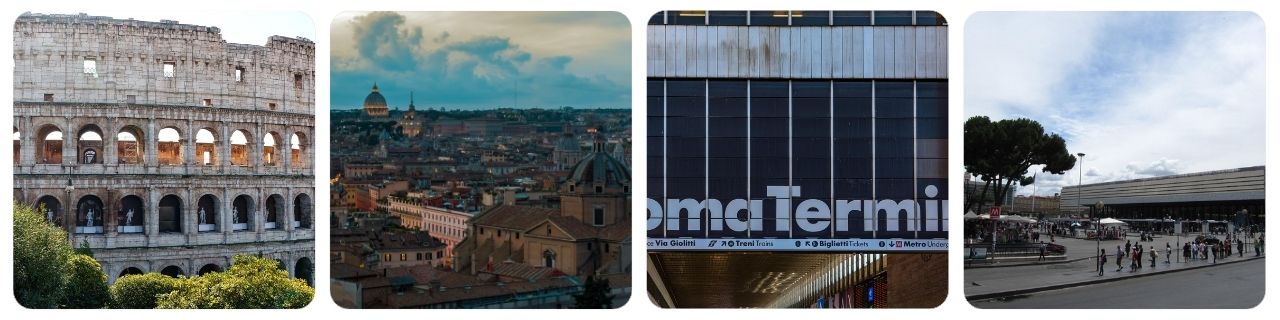
Traveling from the Colosseum to Roma Termini Station is one of the easiest transfers in Rome: the fastest option is Metro Line B (just two stops), but walking, buses, taxis, and private transfers can also make sense depending on luggage, mobility, and time of day.
At A Glance (Colosseum to Roma Termini Station)
| Mode | Duration | Best For |
|---|---|---|
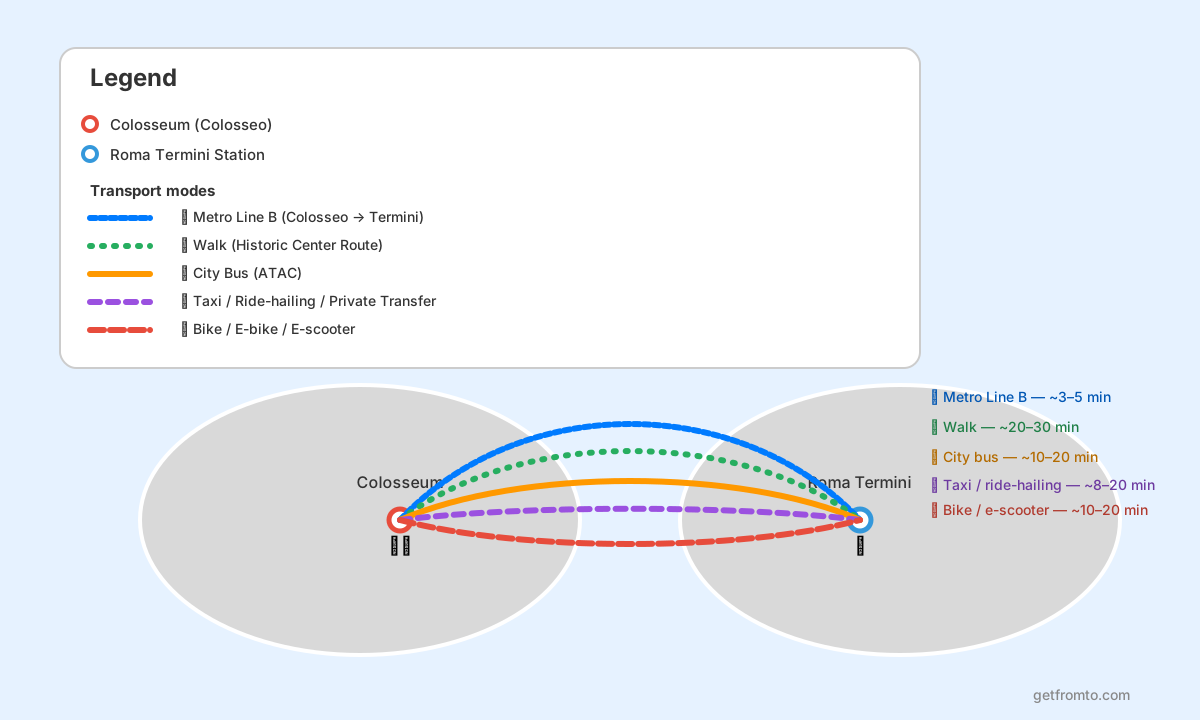
| 🚇 Metro Line B (Colosseo → Termini) | ~3–5 min on train (+ station access/wait time) | Fastest route, most travelers, predictable timing |
| 🏷️ Cost: ATAC BIT ticket €1.50 (valid 100 min) » official BIT ticket | metro map | ||
| 🚶 Walk (Historic Center Route) | ~20–30 min (about 1.5–2 km depending on route) | Light luggage, sightseeing, daytime arrivals |
| 🏷️ Cost: Free (optional luggage storage if needed) » Termini luggage storage | ||
| 🚌 City Bus (ATAC) | ~10–20 min (traffic-dependent) | No stairs/escalator preference, scenic surface ride |
| 🏷️ Cost: Usually covered by €1.50 BIT ticket » ATAC service info | ||
| 🚕 Taxi / Ride-hailing / Private Transfer | ~8–20 min (traffic-dependent) | Heavy luggage, late-night transfer, door-to-door comfort |
| 🏷️ Cost: Taxi/ride-hail usually ~€10–25+ depending on traffic/time » private pickup option | compare private transfers | ||
| 🛴 Bike / E-bike / E-scooter | ~10–20 min | Flexible urban movement, travelers comfortable with city traffic |
| 🏷️ Cost: Varies by provider / unlock + minutes; rentals may also be prebooked » bike rentals in Rome | ||
Which Option or Route Should You Choose?
- Fastest / Most Predictable: Option #1 — Metro Line B. It is usually the quickest way from Colosseo to Termini and avoids road traffic.
- Cheapest / Most Economical: Option #2 — Walk (free) if you have light luggage and good weather. If not, Metro Line B is the best low-cost paid option.
- Best for Big Luggage / Family / Late Night: Option #4 — Taxi / Ride-hailing / Private Transfer for door-to-door convenience.
- Most Scenic / Flexible Surface Route: Option #3 — City Bus or Option #2 — Walk if you want to stay above ground and see more of central Rome.
- Fast-ish with Maximum Flexibility: Option #5 — Bike / E-scooter if you are comfortable navigating Rome traffic and cobblestones.
How to Book and Practical Tips
- Use ATAC tickets for metro/bus: A single BIT ticket is valid for 100 minutes from first validation and works for buses/metro under ATAC rules. Check details and current prices on the official BIT ticket page.
- Tap & Go can be convenient: On many metro gates/surface vehicles, contactless payment is available via ATAC’s tickets and passes options.
- Validate paper tickets: If using a paper BIT ticket, validate it before travel (metro gate or on-board validator) and keep it until the end of the journey.
- Watch station exits at Termini: Roma Termini is large, so factor in extra walking time to your platform/hotel. For station services, use the official Roma Termini services page.
- For luggage: The metro is fastest, but stairs/escalators/crowds can slow you down. If you need to store bags before/after your transfer, compare nearby Colosseum luggage storage or Termini luggage storage.
- Late-night travel: Service frequency can be lower and road traffic patterns change; check live navigation apps before choosing between metro, bus, or taxi.
- Ride-hailing alternatives: In Rome, travelers often use licensed taxis and apps such as Uber (service types vary), FREE NOW, or itTaxi; for prebooked drivers, Welcome Pickups and GetTransfer are alternatives.
🚇 Option #1 — Metro Line B (Fastest, Easiest for Most Travelers)
Fastest Frequent service Best value
- Overview: Take Rome Metro Line B from Colosseo station to Termini (two stops: Colosseo → Cavour → Termini). In-train time is usually only a few minutes, but add time for entering the station, buying/validating a ticket, and walking inside Termini.
- How to book / pay (with price): Use an ATAC BIT ticket (€1.50) valid for 100 minutes from first validation, or pay using eligible contactless options where available (official BIT details / tickets & passes options).
- Pros: Fast, cheap, predictable, direct to Termini interchange. Cons: Crowds at peak times; stairs/escalators/lifts may affect travelers with heavy luggage or mobility needs.
- Best for: Most tourists, train connections, airport train transfers from Termini, and anyone on a tight schedule.
Step-by-step: Metro Line B (Colosseo → Termini)
- From the Colosseum area, walk to the Colosseo Metro Station (Line B) entrance near Piazza del Colosseo.
- Buy/validate an ATAC ticket (or use an eligible contactless payment method at the gate, where available).
- Take a Line B train toward Rebibbia / Jonio (northbound direction toward Termini).
- Ride for 2 stops: Colosseo → Cavour → Termini.
- Exit at Termini and follow signage for main station hall / platforms / taxis / bus terminal depending on your next connection.
- If you need station services (lounges, infopoints, waiting areas), check the official Roma Termini services page before arrival.
Getting to the main embarking points (Colosseo Metro Station)
- From the Colosseum monument area: The metro station is a short walk from the main viewpoints and ticketing area around Piazza del Colosseo.
- From Via dei Fori Imperiali: Follow signs to “M” / Colosseo; entrances are visible near the Colosseum side of the avenue.
- With luggage: Allow extra time for curb crossings and station access; if your bags are bulky, Option #4 may be easier.
- Locations/Trip Planner: 🔗 Google Map / 🔗 OpenStreetMap
🚶 Option #2 — Walk (Scenic, Free, Great if You Have Light Luggage)
Free Sightseeing-friendly Weather-dependent
- Overview: Walking from the Colosseum to Roma Termini typically takes 20–30 minutes depending on your pace and route. It is straightforward and passes through busy central streets.
- How to prepare (with cost): Free route, but consider storing large bags if you want to sightsee before heading to Termini using Colosseum luggage storage or Termini luggage storage.
- Pros: No ticket needed, flexible, scenic, avoids queues. Cons: Cobblestones, uneven pavements, heat/rain, and inconvenient with heavy luggage.
- Best for: Daytime travelers, photographers, and anyone with carry-on only.
Step-by-step: Walking route to Roma Termini
- Start near the Colosseum and head toward Via Cavour (a common direct corridor toward Termini).
- Follow the uphill route north/northwest toward the Termini district. Sidewalks are generally available, but surfaces may be uneven in parts.
- Continue toward Piazza dell’Esquilino / Via Cavour upper section, then follow signs or maps for Roma Termini.
- Enter the station from the side/main approach that best matches your next train platform, hotel, or taxi pickup point.
- If you are continuing by train, budget extra time because Termini is large and platforms can require a longer internal walk.
Getting to the main embarking points (best walking start points near Colosseum)
- Piazza del Colosseo: Easiest landmark start point if you are visiting the monument first.
- Colosseo Metro area: Convenient if you want to compare walking vs metro in real time.
- Bag strategy: If your hotel is near Termini and you arrive early, consider dropping bags first, then returning to the Colosseum area later.
- Locations/Trip Planner: 🔗 Google Map / 🔗 OpenStreetMap
🚌 Option #3 — City Bus (Surface Route, Useful if You Prefer Not to Use Metro)
Low cost No metro platforms Traffic-dependent
- Overview: ATAC buses can connect the Colosseum area to the Termini area, but exact best routes vary by time/day and temporary disruptions. Travel time is typically 10–20 minutes, sometimes longer in traffic.
- How to book / pay (with price): Usually the same ATAC BIT ticket (€1.50) covers the bus trip within validity rules (official BIT details).
- Pros: Scenic ride, avoids underground stations, good if bus stop is closer than metro entrance. Cons: Slower and less predictable than Metro B due to road traffic.
- Best for: Travelers with moderate luggage, users who prefer street-level travel, and those avoiding stairs/escalators.
Step-by-step: City bus to Termini area
- Open a live navigation app (Google Maps/Moovit/ATAC tools) and search from Colosseum / Colosseo to Roma Termini because the best route can change.
- Walk to the suggested ATAC bus stop near the Colosseum / Via dei Fori Imperiali / Via Labicana area.
- Validate your BIT ticket when boarding (or use an eligible digital/contactless option if available on that service).
- Ride to a stop near Roma Termini / Piazza dei Cinquecento.
- Walk the final minutes into Termini and follow station signage for your train/platform.
Getting to the main embarking points (ATAC bus stops near Colosseum)
- Colosseo/Fori Imperiali area stops: Common departure area for buses heading toward central Rome and Termini-side stops.
- Via Labicana side: Another useful corridor depending on your exact starting point around the Colosseum.
- Route checks: Confirm stop letter/name and destination in-app before boarding, especially during weekends/events.
- Locations/Trip Planner: 🔗 Google Map / 🔗 OpenStreetMap
🚕 Option #4 — Taxi / Ride-hailing / Private Transfer (Door-to-Door Comfort)
Door-to-door Best with luggage Traffic-dependent fare/time
- Overview: A taxi or prebooked car is usually the easiest option if you have multiple bags, children, or a very tight connection and want curb-to-curb transport.
- How to book (with price): Street taxis and taxi apps are widely used in Rome; typical short cross-center rides may be around €10–25+ depending on traffic, route, wait time, and supplements. You can also prebook a driver through Welcome Pickups Rome or compare offers on GetTransfer Rome.
- Ride-hailing alternatives: Uber (service availability varies by product in Rome), FREE NOW, and itTaxi are commonly checked by travelers as alternatives to hailing on the street.
- Pros: No stairs, no transfers, easiest for late night or rain. Cons: Costlier than public transport and can be delayed by central Rome traffic.
Step-by-step: Taxi / ride-hailing / private transfer
- Move to a safe pickup point near the Colosseum with legal stopping space (avoid blocking pedestrian-heavy areas).
- If using an app, pin your pickup carefully (the Colosseum area can have complicated traffic flows and one-way streets).
- Confirm destination as Roma Termini (Piazza dei Cinquecento) and, if needed, specify your preferred station side/entrance.
- Track route progress and traffic; if your goal is a long-distance train, budget buffer time for central congestion.
- At Termini, ask to be dropped at the entrance closest to your platform side/hotel when possible.
Getting to the main embarking points (taxi / pickup points near Colosseum)
- Piazza del Colosseo perimeter roads: Use designated stopping areas and follow local traffic restrictions.
- Nearby side streets: Sometimes easier for app pickups than directly beside the monument due to crowds/police controls.
- Private transfer tip: Share your exact luggage count and desired pickup side in advance when booking with Welcome Pickups or GetTransfer.
- Locations/Trip Planner: 🔗 Google Map / 🔗 OpenStreetMap
🛴 Option #5 — Bike / E-bike / E-scooter (Flexible Urban Option)
Flexible Quick in light traffic Traffic/cobblestone caution
- Overview: Shared e-scooters/e-bikes or rental bikes can get you from the Colosseum to Termini quickly, but this option is best for travelers comfortable with urban traffic and uneven surfaces.
- How to book (with price): Shared micromobility pricing varies by provider (unlock + per-minute billing). For traditional bike rental options, compare bike rentals in Rome.
- Pros: Flexible, often faster than buses in congestion, fun for short hops. Cons: Not ideal with luggage, requires confidence riding in city traffic, parking rules apply.
- Best for: Solo travelers with small bags and daytime travel in good weather.
Step-by-step: Bike / e-scooter route
- Check local availability of shared bikes/e-scooters near the Colosseum in your preferred mobility app.
- Inspect the vehicle and confirm battery level / brakes before starting.
- Navigate toward Termini using bike-friendly routing where possible and avoid crowded pedestrian-only areas.
- Park only in a legal/allowed area near Termini according to the provider’s app instructions.
- Walk into Roma Termini and continue to your platform/hotel.
Getting to the main embarking points (micromobility pickup areas near Colosseum)
- Around Piazza del Colosseo and nearby avenues: Availability changes constantly, so check app maps in real time.
- Safety tip: Cobblestones can be slippery when wet; ride slowly and avoid abrupt braking.
- Rental alternative: If you prefer a conventional bike, prebook with BikesBooking Rome listings.
- Locations/Trip Planner: 🔗 Google Map / 🔗 OpenStreetMap
FAQ (Colosseum to Roma Termini Station)
What is the fastest way to get from the Colosseum to Roma Termini Station?
For most travelers, Metro Line B is the fastest and most predictable option. The ride from Colosseo to Termini is only two stops, though total time depends on station access and waiting time.
How much is a metro or bus ticket in Rome for this trip?
A standard ATAC BIT ticket is typically the most useful ticket for this trip and is listed at €1.50 with 100 minutes validity on the official ATAC pages (subject to future changes).
Can I walk from the Colosseum to Roma Termini?
Yes. Walking usually takes about 20–30 minutes and is a good option if you have light luggage and want to see more of central Rome.
Is a taxi worth it for such a short distance?
It can be, especially if you have heavy luggage, mobility concerns, kids, or a late-night transfer. Taxi / private transfer is the easiest door-to-door option but costs much more than public transport.
Which option is best with big luggage? Taxi / ride-hailing / private transfer is usually the most comfortable. If you still prefer public transport, Metro Line B is fastest, but allow extra time for station navigation.
Are buses better than the metro for this route?
Usually no for speed; the metro is generally faster. However, buses can be more comfortable if you want a surface route or prefer to avoid stairs/escalators.
Can I use contactless payment instead of buying a paper ticket?
ATAC offers contactless and app-based options on parts of the network. Check the current methods on the official ATAC tickets and passes page before you travel.
How much extra time should I allow after arriving at Termini?
Roma Termini is a major station, so allow extra time to walk to your platform, locate your train, or reach your hotel/taxi point—especially during busy periods.





Related Tours/Services
Popular Routes
Recent Routes
- How to get from Oslo Opera House to Oslo Central Station
- How to get from Helsinki Cathedral to Helsinki Central Station
- How to get from Bucharest Old Town to Gara de Nord
- How to get from Ban Jelačić Square (Zagreb) to Zagreb Glavni Kolodvor
- How to get from Knez Mihailova Street (Belgrade) to Belgrade Centre (Prokop) Station
- How to get from The Bund (Shanghai) to Shanghai Railway Station
- How to get from Odori Park (Sapporo) to Sapporo Station
- How to get from Plaza de Armas to Terminal Alameda (Santiago)
- How to get from Times Square to Penn Station (New York)
- How to get from India Gate to New Delhi Railway Station
Top Travel Gears

zelin Anti Theft Zipper Clips, Travel Essentials, Carabiner, 4Pcs Grey
2026 Travel Essentials for Apple Watch Charger,Cruise Vacation Camping Essentials,iPhone Charger,Multi Charging Cable,3 in 2 Charging Docks for iWatch Series 12 11-2/Ultra,iPhone 17-12,Car

INIU 10000mAh 45W Fast Charging Portable Charger, Smaller Travel Power Bank

LISEN Airplane Travel Essentials for Flying Airplane Phone Holder for Desk
FYY Electronic Organizer, Travel Tech Pouch Bag, Cable Organizer Black
