

How to get from Madrid to Seville

Madrid to Seville is one of Spain’s easiest long-distance trips: the high-speed train is usually the fastest and most convenient city-center to city-center option, while direct buses, flights, and self-drive/private transfers can work better depending on budget, luggage, or schedule. This guide compares travel times, typical fares, booking tips, and step-by-step logistics so you can choose the best route for your trip.
At A Glance (Madrid to Seville)
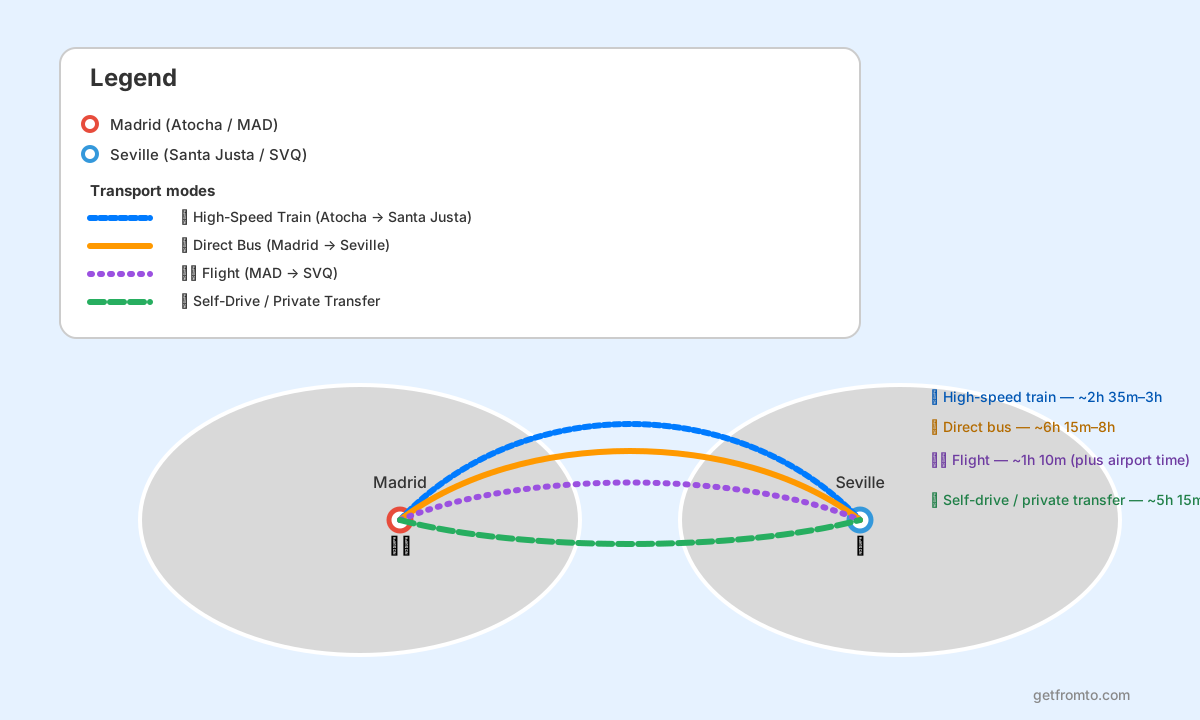
| Mode | Duration | Best For |
|---|---|---|
| 🚄 High-Speed Train (Atocha → Santa Justa) | ~2h 35m–3h city-center to city-center | Fastest overall, most travelers, easy logistics |
| 🏷️ Cost: ~€9–€80+ one-way depending on operator/date » compare transport options | alt. fares | ||
| 🚌 Direct Bus (Madrid → Seville) | ~6h 15m–8h (traffic/time-slot dependent) | Budget travelers, flexible luggage, overnight departures |
| 🏷️ Cost: ~€20–€45 one-way » check buses | alt. listings | ||
| ✈️ Flight (MAD → SVQ) | ~1h 10m flight (+ airport time; ~4h–6h total) | Airport connections, points/redemptions, specific schedules |
| 🏷️ Cost: ~€25–€140+ one-way » search flights | alt. flight search | ||
| 🚗 Self-Drive / Private Transfer | ~5h 15m–6h driving (+ stops) | Road trips, groups, countryside stops, heavy luggage |
| 🏷️ Cost: Car rental + fuel/tolls (route usually toll-light) or private transfer fare » compare car rentals | private transfer | ||
Which Option or Route Should You Choose?
- Fastest / Most Convenient: Option #1 (High-Speed Train) — city-center to city-center, frequent departures, and usually the best overall experience.
- Cheapest / Most Economical: Option #1 (Low-cost train fares) if booked early; otherwise Option #2 (Direct Bus) is often the most consistent budget choice.
- Best for Late-Night or Flexible Luggage: Option #2 (Direct Bus) — useful when train times/prices don’t suit you.
- Best for Connections / Airline Miles: Option #3 (Flight) — makes sense if you are already at Madrid Airport or connecting onward from Seville Airport.
- Most Scenic / Flexible Schedule: Option #4 (Self-Drive / Private Transfer) — ideal for stops in Córdoba or small towns en route.
How to Book and Practical Tips
- Book trains early for the best fares: Spain’s high-speed pricing is dynamic. Compare operators (Renfe/Avlo, OUIGO, iryo) and lock in cheap fares early, especially for weekends and holidays.
- Use Atocha and Santa Justa as your default stations: Most direct high-speed services run Madrid-Puerta de Atocha-Almudena Grandes → Sevilla Santa Justa.
- Arrive early for trains: Give yourself extra time at Atocha for platform checks and station access. For peak travel days, aim for 30–45 minutes early.
- For flights, budget total door-to-door time: Airport transfer + check-in/security usually makes flights slower overall than the train on this route.
- For buses, verify departure station: Madrid services may leave from Estación Sur or another terminal depending on operator and departure time.
- Luggage storage: If you arrive before hotel check-in, book luggage storage in Madrid or Seville so you can explore hands-free.
- Airport/city transfers: For a pre-booked pickup, compare Welcome Pickups and GetTransfer; ride-hailing alternatives commonly used in Spain include Uber, Cabify, and local taxis (availability varies by exact area/time).
🚄 Option #1 — High-Speed Train (Best Overall: Fastest City-Center to City-Center)
Fastest overall City-center to city-center Best value if booked early
- Overview: The standard route is Madrid-Puerta de Atocha-Almudena Grandes → Sevilla Santa Justa on Spain’s high-speed rail network. This is usually the easiest and quickest way to travel between the two cities.
- Typical travel time: About 2h 35m–3h on direct high-speed services (allow extra time for station arrival and local transit).
- How to book (with price): Search official operators like Renfe Madrid–Seville trains, OUIGO Madrid–Seville, and iryo Madrid–Seville. Ballpark fares often range from ~€9–€80+ depending on operator, class, and how early you book. You can also compare schedules on 12Go or Trip.com.
- Pros: Fast, comfortable, frequent departures, easy stations, no airport hassle. Cons: Peak-time fares can jump sharply; cheapest tickets may be less flexible.
- Good to know: Renfe notes this route uses Atocha → Santa Justa, and Santa Justa is well-positioned for reaching central Seville.
Step-by-step: High-Speed Train
- Choose your train operator and departure time: Compare Renfe timetables, OUIGO Spain, and iryo for your preferred departure window.
- Go to Madrid Atocha: Head to Madrid Puerta de Atocha Almudena Grandes (Adif) and check your platform screens after entering the station.
- Arrive early: Aim for 30–45 minutes before departure (more on busy dates) so you can find the correct hall/platform and handle luggage comfortably.
- Board and ride to Seville: Most services are direct to Sevilla Santa Justa (Adif).
- Continue into Seville: From Santa Justa, take a taxi, ride-hailing app, or local bus to your accommodation. If you arrive early, use Radical Storage before hotel check-in.
Getting to the main embarking points (Madrid Puerta de Atocha-Almudena Grandes)
- From central Madrid: Taxi / Uber / Cabify usually works well if you have luggage; metro and Cercanías are often the fastest in rush hour (check current station access and line status locally).
- From Madrid-Barajas Airport (MAD): Take a taxi/ride-hailing app for the simplest transfer, or combine airport transit + metro/Cercanías if traveling light.
- Private pickup option: If you want a pre-arranged station transfer, compare Welcome Pickups and GetTransfer.
- Locations/Trip Planner: 🔗 Google Map / 🔗 OpenStreetMap
🚌 Option #2 — Direct Bus (Budget-Friendly, Good for Flexible Schedules)
Budget-friendly Often direct Longer travel time
- Overview: Direct coaches between Madrid and Seville are a solid low-cost alternative when train fares are high or sold out. Socibus is a key operator on this corridor.
- Typical travel time: About 6h 15m–8h, depending on traffic, departure time, and exact stops.
- How to book (with price): Check Socibus route booking and general schedule tools like ALSA timetables (for Spain bus planning broadly). Ballpark fares are often ~€20–€45. You can also compare options on 12Go or Trip.com.
- Pros: Often cheaper than last-minute trains, generous luggage, useful late departures. Cons: Slower, traffic risk, and less comfortable than high-speed rail for many travelers.
Step-by-step: Direct Bus
- Confirm the operator and departure terminal: Madrid departures can vary by operator/service, so double-check your ticket for the exact bus station and platform.
- Book your seat: Use Socibus (for this corridor) or a comparison site like 12Go.
- Arrive early: Reach the terminal 20–30 minutes ahead (earlier on holidays/weekends) to locate your bay and tag luggage if needed.
- Ride to Seville: Some services are non-stop, while others may include intermediate stops (for example in Córdoba or other towns), which affects total travel time.
- Arrival in Seville: Take taxi/Uber/Cabify/local transit to your hotel. For early arrival or late check-in, use luggage storage.
Getting to the main embarking points (Madrid bus terminals)
- From central Madrid: Metro/taxi/ride-hailing are all practical; check your ticket because Estación Sur is common for long-distance buses but not universal.
- From Madrid Airport (MAD): Taxi or pre-booked transfer is easiest if you have baggage or a tight connection.
- Private pickup option: Compare Welcome Pickups and GetTransfer; ride-hailing alternatives include Uber and Cabify.
- Locations/Trip Planner: 🔗 Google Map / 🔗 OpenStreetMap
✈️ Option #3 — Flight (Best for Airport Connections or Specific Schedules)
Good for connections Airline miles/points More airport time
- Overview: Flights from Madrid-Barajas (MAD) to Seville Airport (SVQ) are available, but on this route they are often slower door-to-door than high-speed rail once airport transit and security are included.
- Typical travel time: ~1h 10m in the air, but usually ~4h–6h total door-to-door depending on airport transfer time and check-in/security.
- How to book (with price): Compare fares on Booking.com Flights or Trip.com. Ballpark one-way fares often run ~€25–€140+. For airport information, use Aena Madrid-Barajas, Aena Seville Airport, and Aena flight info.
- Pros: Useful if you’re already at the airport, connecting internationally, or using miles. Cons: Usually less convenient than train for city-center travel and more sensitive to airport timing.
Step-by-step: Flight (MAD → SVQ)
- Search flights and compare total timing: Use Booking.com Flights and Trip.com, but compare against train door-to-door time before booking.
- Get to Madrid Airport: Travel to Madrid-Barajas Airport by taxi, metro, train, airport bus, or private transfer.
- Allow airport buffer time: For domestic flights, many travelers aim for at least 1.5–2 hours before departure (more with checked baggage or peak periods).
- Arrive at Seville Airport (SVQ): Use Aena Seville Airport for on-arrival services and airport access details.
- Continue to Seville city center: Taxi, ride-hailing (where available), airport bus, or pre-booked transfer via Welcome Pickups / GetTransfer.
Getting to the main embarking points (Madrid-Barajas Airport)
- From central Madrid: Metro, Cercanías (on relevant terminals/connections), airport bus, taxi, Uber, and Cabify are common options.
- With lots of luggage / family travel: A pre-booked door-to-door transfer can be simpler than changing lines.
- On arrival in Seville: Check Aena Seville Airport “How to get to the airport” and ground transport sections for local options.
- Locations/Trip Planner: 🔗 Google Map / 🔗 OpenStreetMap
🚗 Option #4 — Self-Drive / Private Transfer (Flexible and Great for Stops)
Flexible itinerary Best for groups Parking needed in Seville
- Overview: Driving gives you the most freedom and is ideal if you want to stop in places like Córdoba on the way, carry bulky luggage, or travel with a small group.
- Typical travel time: About 5h 15m–6h of driving time, depending on traffic and stops.
- How to book (with price): Compare rentals on Booking.com Car Rental. Private transfer quotes vary widely by vehicle size/time; compare Welcome Pickups and GetTransfer.
- Pros: Stop anywhere, great for countryside detours, easy with heavy luggage. Cons: Parking and driving in central Seville can be inconvenient; train is usually easier for simple point-to-point travel.
- Extra tip: If you are continuing around Andalusia, a rental car becomes more attractive than for Madrid→Seville only.
Step-by-step: Self-Drive / Private Transfer
- Decide one-way vs. round-trip: One-way rentals may have an added drop-off fee; compare total cost carefully.
- Book your vehicle or transfer: Use Booking.com Cars for self-drive, or Welcome Pickups / GetTransfer for chauffeur options.
- Plan your route and stops: Most travelers take the straightforward motorway route toward Andalusia; add rest and fuel stops if driving yourself.
- Arrive in Seville with parking in mind: Check your hotel’s parking policy before departure; central historic areas can be restrictive for drivers.
- If staying central: Consider returning the car on arrival and using taxis/ride-hailing/walking for the old town.
Getting to the main embarking points (Madrid city / airport rental pickup)
- City pickup: Convenient if you are staying outside the very center and leaving early.
- Airport pickup (MAD): Often offers more vehicle choice and can be easiest if you are arriving by plane.
- Alternative to driving yourself: Private car transfers via Welcome Pickups or GetTransfer; local alternatives in cities include taxi, Uber, and Cabify.
- Locations/Trip Planner: 🔗 Google Map / 🔗 OpenStreetMap
FAQ (Madrid to Seville)
What’s the easiest way to get from Madrid to Seville?
For most travelers, the high-speed train is the easiest option because it is fast, frequent, and runs city-center to city-center.
How long does the train take from Madrid to Seville?
Direct high-speed trains are usually around 2h 35m–3h, depending on operator and service.
Is flying faster than the train?
In the air, yes; door-to-door, usually no. The flight is often slower overall once airport transfers, check-in, and security are included.
What’s the cheapest way to travel?
If booked early, low-cost train fares can be extremely competitive. If booking late, direct buses are often the most reliable budget fallback.
Which stations should I use?
Usually Madrid-Puerta de Atocha-Almudena Grandes in Madrid and Sevilla Santa Justa in Seville for high-speed rail.
How early should I arrive before departure?
For trains, 30–45 minutes early is a comfortable target on most days. For domestic flights, many travelers prefer 1.5–2 hours early (or more with checked bags).Can I do a day trip from Madrid to Seville?
Yes, it is possible by high-speed train, but it will be a long day. An overnight stay gives you much more time to enjoy Seville.
Where can I store luggage if I arrive before check-in?
Use Radical Storage near stations or central neighborhoods in Madrid or Seville.
What if I want activities or transfers already organized?
You can compare tours and transport add-ons on GetYourGuide and Klook.





Related Tours/Services
Popular Routes
Recent Routes
- How to get from Oslo Opera House to Oslo Central Station
- How to get from Helsinki Cathedral to Helsinki Central Station
- How to get from Bucharest Old Town to Gara de Nord
- How to get from Ban Jelačić Square (Zagreb) to Zagreb Glavni Kolodvor
- How to get from Knez Mihailova Street (Belgrade) to Belgrade Centre (Prokop) Station
- How to get from The Bund (Shanghai) to Shanghai Railway Station
- How to get from Odori Park (Sapporo) to Sapporo Station
- How to get from Plaza de Armas to Terminal Alameda (Santiago)
- How to get from Times Square to Penn Station (New York)
- How to get from India Gate to New Delhi Railway Station
Top Travel Gears

zelin Anti Theft Zipper Clips, Travel Essentials, Carabiner, 4Pcs Grey
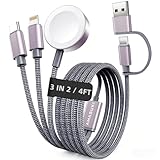
2026 Travel Essentials for Apple Watch Charger,Cruise Vacation Camping Essentials,iPhone Charger,Multi Charging Cable,3 in 2 Charging Docks for iWatch Series 12 11-2/Ultra,iPhone 17-12,Car

INIU 10000mAh 45W Fast Charging Portable Charger, Smaller Travel Power Bank

LISEN Airplane Travel Essentials for Flying Airplane Phone Holder for Desk
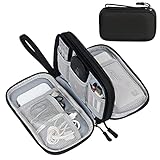
FYY Electronic Organizer, Travel Tech Pouch Bag, Cable Organizer Black
