
How to get from Seoul to Busan
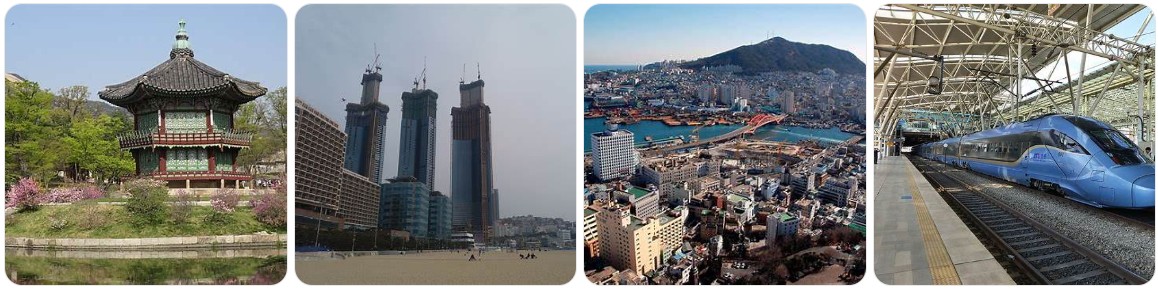
Traveling from Seoul to Busan is one of the easiest intercity trips in South Korea, with frequent KTX and SRT high-speed trains, long-distance express buses, domestic flights, and private transfers. For most travelers, the best option is the high-speed train (KTX from Seoul Station/Yongsan or SRT from Suseo), while budget travelers often choose express buses and families with heavy luggage may prefer a private car transfer.
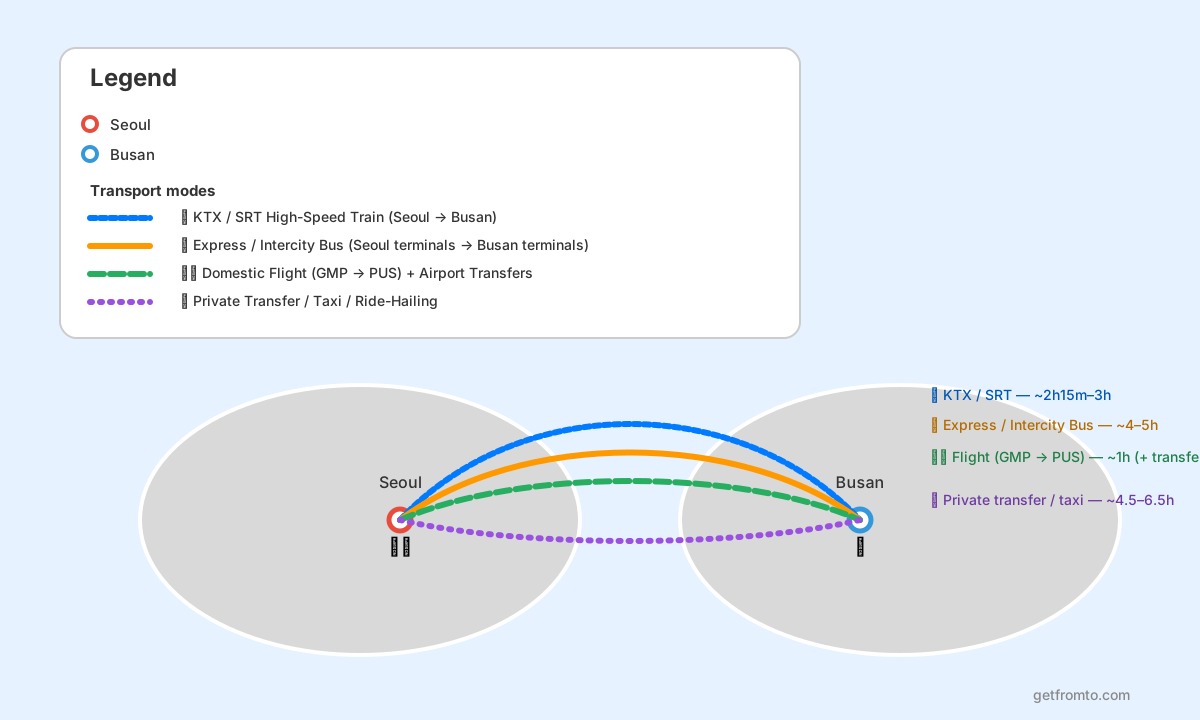
At A Glance (Seoul to Busan)
| Mode | Duration | Best For |
|---|---|---|
| 🚄 KTX / SRT High-Speed Train (Seoul → Busan) | ~2h15m–3h (train type/stops dependent) | Fastest city-center to city-center, most travelers |
| 🏷️ Cost: ~KRW 50,000–90,000+ one-way » compare train departures | Trip.com rail search | KTX tickets on Klook | ||
| 🚌 Express / Intercity Bus (Seoul terminals → Busan terminals) | ~4–5h (traffic/bus class dependent) | Cheaper fares, late-night options, flexible schedules |
| 🏷️ Cost: ~KRW 25,000–50,000+ one-way » compare buses | Trip.com bus search | Klook Seoul→Busan buses | ||
| ✈️ Domestic Flight (GMP → PUS) + Airport Transfers | ~1h flight (+ airport access/check-in/transfers) | Airport connections, mileage users, some promo fares |
| 🏷️ Cost: ~KRW 30,000–150,000+ one-way » search flights | Trip.com flights | ||
| 🚖 Private Transfer / Taxi / Ride-Hailing | ~4.5–6.5h door-to-door | Groups, large luggage, custom stops, hotel-to-hotel |
| 🏷️ Cost: ~KRW 450,000–1,200,000+ per vehicle » private pickup quotes | GetTransfer offers | car rental options | ||
Which Option or Route Should You Choose?
- Fastest/Most Convenient: Option #1 — KTX / SRT High-Speed Train for city-center to city-center travel.
- Cheapest/Most Economical: Option #2 — Express / Intercity Bus (especially standard class and off-peak departures).
- Best for Airport-to-Airport Connections: Option #3 — Domestic Flight (Gimpo → Gimhae).
- Best for Families / Big Luggage / Custom Stops: Option #4 — Private Transfer / Ride-Hailing.
How to Book and Practical Tips
- High-speed rail is usually best: KTX and SRT are the top choice for most travelers because they are fast, frequent, and arrive in central Busan.
- KTX vs SRT departure stations: KTX usually departs from Seoul Station or Yongsan, while SRT departs from Suseo Station. Pick the station closest to your hotel.
- Official rail booking: Use KORAIL (official, English) for KTX and SRT English booking for SRT. You can also compare on 12Go, Trip.com, and Klook.
- Bus class matters: Express buses may offer standard, 우등 (premium), and premium classes; comfort and fare vary.
- Airport route reality: Flights are short, but airport transfers, check-in, and security often make flying slower than KTX door-to-door unless you are already near an airport.
- Ride-hailing alternatives: Kakao T is the most common taxi/ride app in Korea; Uber also operates in parts of Korea (often via taxi integrations). Pre-booked cars via Welcome Pickups and GetTransfer are useful for fixed schedules.
- Luggage storage: If you want to explore Seoul or Busan before check-in, compare luggage storage options (availability varies by station/neighborhood).
- Hotels in Busan: Compare stays in Seomyeon, Haeundae, Nampo, or near Busan Station on Booking.com Busan hotels.
🚄 Option #1 — KTX / SRT High-Speed Train (Most Popular, Fastest)
Fastest Frequent departures Central stations
- Overview: High-speed rail is the easiest way to travel between Seoul and Busan. KTX serves major stations such as Seoul Station and Busan Station, while SRT runs from Suseo Station to Busan on a similar corridor.
- How to book (with price): Book KTX on KORAIL (official) and SRT on SRT English booking. You can compare departures on 12Go, Trip.com, and Klook KTX tickets. Typical fares are around KRW 50,000–90,000+ depending on train type/class and booking conditions.
- Travel time: Usually ~2h15m–3h depending on whether you take a faster limited-stop service or a slower stopping pattern.
- Pros: Fast, reliable, frequent, comfortable, city-center stations. Cons: Peak departures can sell out and premium seats cost more.
- Official websites (relevant): KORAIL (official, English), SRT ticketing (official, English), SR official site (English).
Step-by-step: KTX / SRT High-Speed Train
- Choose KTX or SRT based on your location: Pick Seoul Station/Yongsan for KTX or Suseo Station for SRT, depending on which is closer to you.
- Compare and book your train: Use KORAIL or SRT, or compare on 12Go / Trip.com.
- Get to the departure station: Use Seoul Metro, taxi, Kakao T, or Uber (where available) and arrive early enough to find your platform.
- Board the train: Check your carriage and seat, and store large luggage early if the racks fill up.
- Arrive at Busan Station: Continue by Busan Metro, taxi, Kakao T, or local bus to Haeundae, Seomyeon, Nampo, or your hotel area.
Getting to the main embarking points (Sai Tai Mai)
- Seoul Station (KTX): Best for many travelers staying around Myeongdong, City Hall, Hongdae (with transfer), or central Seoul.
- Yongsan Station (KTX on selected services): Convenient for Itaewon/Yongsan/Mapo-side stays depending on routing.
- Suseo Station (SRT): Good option for Gangnam/southeast Seoul and anyone near Line 3 / Suin-Bundang Line connections.
- Busan Station: Main arrival hub with metro and taxi access to many parts of the city.
- Locations/Trip Planner: 🔗 Google Map / 🔗 OpenStreetMap
🚌 Option #2 — Express / Intercity Bus (Cheapest, Good Value)
Low cost Many departures Traffic-dependent
- Overview: Express and intercity buses connect Seoul terminals (such as Seoul Express Bus Terminal / Central City / East Seoul depending on route) with Busan terminals (including Busan Central Bus Terminal and other terminals).
- How to book (with price): Compare on 12Go, Trip.com Bus, and Klook bus tickets. Typical fares are around KRW 25,000–50,000+ depending on class and departure time.
- Travel time: Usually ~4–5 hours, but traffic and holiday congestion can make it longer.
- Pros: Cheaper than rail, many departures, comfortable premium bus options. Cons: Slower and traffic-dependent.
- Official websites (relevant): KOBUS (official express bus), VisitKorea Express Bus guide (official tourism site), Busan public transportation guide (official).
Step-by-step: Express / Intercity Bus
- Choose your Seoul terminal: Confirm whether your bus departs from Seoul Express Bus Terminal, Central City, or another terminal.
- Book your seat: Compare prices and classes on 12Go, Trip.com, or Klook.
- Arrive early at the terminal: Allow time to find the correct gate/platform and store luggage if needed.
- Board and ride: Keep your ticket/confirmation ready; buses may stop at service areas on some routes.
- Arrive in Busan and continue: Use metro, taxi, or Kakao T from the bus terminal to your hotel.
Getting to the main embarking points (Sai Tai Mai)
- Seoul Express Bus Terminal / Central City: Common departure area for major express bus routes; verify the exact terminal and gate before departure.
- East Seoul Terminal (for some services): A possible alternative depending on schedule/operator and your location in Seoul.
- Busan Central Bus Terminal (Nopo area): A common arrival point with metro connections into Busan.
- Locations/Trip Planner: 🔗 Google Map / 🔗 OpenStreetMap
✈️ Option #3 — Domestic Flight (Gimpo → Gimhae) + Airport Transfers
Fast flight time Good for airport connections Extra airport time
- Overview: Domestic flights from Gimpo Airport (GMP) to Gimhae Airport (PUS) can make sense if you are already near an airport, connecting from another flight, or using miles/promotions.
- How to book (with price): Compare fares on Booking.com Flights and Trip.com Flights. Typical one-way fares can range from KRW 30,000–150,000+ depending on season, airline, and baggage rules.
- Travel time: The flight itself is around ~1 hour, but total trip time is often ~3.5–5.5 hours after airport transfers, check-in, and security.
- Pros: Useful for airport connections and some promo fares. Cons: Often slower than KTX door-to-door and baggage/security add friction.
- Official websites (relevant): Gimpo International Airport (official), Gimhae International Airport (official), Gimpo real-time flights (official).
Step-by-step: Domestic Flight (GMP → PUS)
- Compare schedules and baggage rules: Use Booking.com Flights or Trip.com.
- Get to Gimpo Airport: Use Seoul Metro/Airport Railroad connections, taxi, Kakao T, or Uber (where available).
- Check in and clear security: Arrive with enough buffer for domestic check-in and bag drop.
- Fly to Gimhae Airport (Busan): Flight time is short, but weather and operational delays can still happen.
- Continue into Busan city: Use taxi, local transit, or ride-hailing/taxi app from Gimhae Airport to Haeundae, Seomyeon, Nampo, or Busan Station area.
Getting to the main embarking points (Sai Tai Mai)
- Gimpo Airport (GMP): More convenient than Incheon for domestic Seoul↔Busan flights.
- Gimhae Airport (PUS): Main airport for Busan; plan onward transfer time to your neighborhood.
- When this works best: Airport-area stays, flight connections, or unusually cheap airfare deals.
- Locations/Trip Planner: 🔗 Google Map / 🔗 OpenStreetMap
🚖 Option #4 — Private Transfer / Taxi / Ride-Hailing (Most Flexible Door-to-Door)
Door-to-door Custom stops Highest cost
- Overview: A private transfer is best for groups, travelers with bulky luggage, or anyone who wants hotel-to-hotel service with optional stops along the way.
- How to book (with price): Compare Welcome Pickups and GetTransfer for quotes. Typical intercity prices are around KRW 450,000–1,200,000+ per vehicle depending on route, van size, and timing. For self-drive browsing, use Booking.com car rentals (self-driving in Korea requires valid eligibility and may not be practical for all visitors).
- Travel time: Usually ~4.5–6.5 hours door-to-door depending on traffic, rest stops, and pickup/drop-off locations.
- Ride-hailing alternatives: Kakao T is the main local taxi app in Korea; Uber availability exists in some areas but intercity coverage/pricing can vary.
- Pros: Easiest with children/luggage, customizable, no terminal transfers. Cons: Expensive and much slower than high-speed rail.
- Official websites (relevant): VisitKorea transport overview (official tourism site).
Step-by-step: Private Transfer / Taxi / Ride-Hailing
- Set exact pickup/drop-off addresses: Share hotel names and addresses in Korean if possible for smoother coordination.
- Choose the right vehicle size: Sedan for 1–3 travelers with light bags, van/MPV for families or many suitcases.
- Confirm inclusions: Ask whether tolls, parking, waiting time, and child seats are included.
- Pre-book for fixed timing: Pre-booked cars are easier than on-demand requests for long intercity trips.
- Plan comfort stops: Long drives often include rest areas; ask if you want a quick break or meal stop.
Getting to the main embarking points (Sai Tai Mai)
- Hotel pickup in Seoul: Usually the most convenient starting point for families and groups.
- Station pickup alternative: If combining modes, confirm a precise pickup point outside Seoul Station/Suseo to avoid confusion.
- Busan hotel drop-off: Verify whether your hotel has a designated vehicle entrance/lane.
- Locations/Trip Planner: 🔗 Google Map / 🔗 OpenStreetMap
FAQ (Seoul to Busan)
What’s the easiest way to get from Seoul to Busan?
For most travelers, the KTX / SRT high-speed train is the easiest and fastest option, with central stations and frequent departures.
How long does each option take? KTX/SRT: ~2h15m–3h. Express bus: ~4–5h (or longer with traffic). Flight: ~1h in the air but often ~3.5–5.5h total. Private transfer: ~4.5–6.5h door-to-door.
Which option is cheapest?
The express/intercity bus is usually the cheapest mainstream option, especially standard class seats.
KTX or SRT: which should I choose?
Choose the one departing from the station most convenient for you. KTX is often easier from central Seoul, while SRT is convenient for travelers near Gangnam/southeast Seoul.
Is flying faster than the train?
Not usually door-to-door. Although the flight is short, airport travel and check-in often make it slower than KTX/SRT overall.
Which Busan area should I stay in?
Many travelers choose Seomyeon (transport hub/nightlife), Haeundae (beach/resorts), or Nampo (markets/old city feel). Compare options on Booking.com.
Do Kakao T or Uber work in Korea? Kakao T is the main local taxi/ride app and is widely used. Uber availability exists in some areas, often through taxi integrations; coverage and pricing vary.
Can I store luggage before check-in?
Yes, depending on station/hotel services and local storage partners. You can also compare city options on Radical Storage.
- useful references:
- https://www.korail.com/global/eng/main
- https://etk.srail.kr/main.do?language=EN
- https://www.kobus.co.kr/main.do
- https://www.airport.co.kr/gimpoeng/index.do





Related Tours/Services
Popular Routes
Recent Routes
- How to get from PortMiami Cruise Terminal to Miami International Airport
- How to get from Samarkand to Bukhara
- How to get from Bell Tower (Xi’an) to Xi’an North Railway Station
- How to get from Canal City Hakata to Hakata Station
- How to get from Rialto Bridge (Venice) to Venezia Santa Lucia Station
- How to get from Florence Cathedral (Duomo) to Firenze Santa Maria Novella Station
- How to get from Nice to Paris
- How to get from Ribeira District (Porto) to Porto Campanhã Station
- How to get from Anne Frank House to Amsterdam Sloterdijk Station
- How to get from Buckingham Palace to London Victoria Station
Top Travel Gears

DUDE Wipes Unscented Pocket Packs, Adult Flushable Travel Wipes, 48 Count

zelin Anti Theft Zipper Clips, Travel Essentials, Carabiner, 4Pcs Grey

INIU 10000mAh 45W Fast Charging Portable Charger, Smaller Travel Power Bank | Flight-Safe, Detachable USB C Cable, Travel Essential, External Battery Phone Pack for iPhone 18 17 Samsung iPad etc
travel inspira Luggage Scale Digital Suitcase Weight Scale for Travel
2026 Travel Essentials for Apple Watch Charger,Cruise Vacation Camping Essentials,iPhone Charger,Multi Charging Cable,3 in 2 Charging Docks for iWatch Series 12 11-2/Ultra,iPhone 18 17-12,Car