

How to get from Tokyo to Nagano
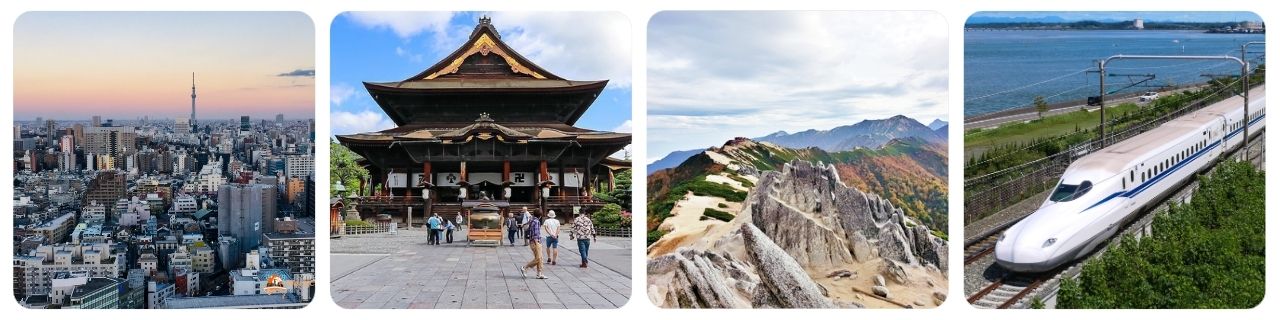
Getting from Tokyo to Nagano is easy once you understand the main options—bullet train, buses, scenic trains and self-drive—so you can match your route to your budget, timing and style of trip.
At A Glance (Tokyo to Nagano)
| Mode | Duration | Best For |
|---|---|---|
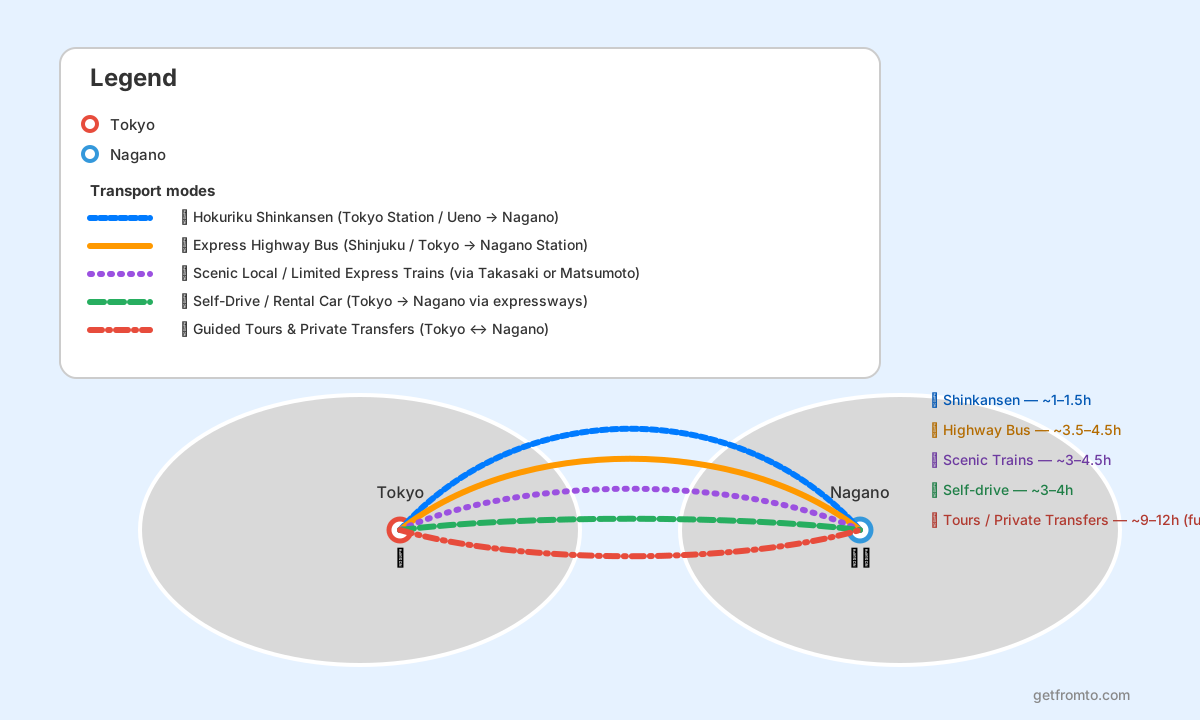
| 🚄 Hokuriku Shinkansen (Tokyo Station / Ueno → Nagano) | ~1–1.5h station-to-station (+ local transfers) | Fastest option, comfort, first-time visitors |
| 🏷️ Cost: ~¥6,000–¥10,000 one-way in ordinary/Green Class (more for Gran Class) » check Hokuriku Shinkansen tickets | timetables & fares | ||
| 🚌 Express Highway Bus (Shinjuku / Tokyo → Nagano Station) | ~3.5–4.5h (traffic-dependent) | Cheapest fares, light sleepers, ski trips with one big bag |
| 🏷️ Cost: ~¥2,400–¥5,500 one-way depending on operator & date » compare buses | official highway bus search | ||
| 🚃 Scenic Local / Limited Express Trains (via Takasaki or Matsumoto) | ~3–4.5h with transfers | JR Pass holders, flexible itineraries, scenic rail fans |
| 🏷️ Cost: ~¥6,000–¥9,000 one-way (regular tickets or JR East / JR Pass) » see train options | JR East & JR Pass overview | ||
| 🚗 Self-Drive / Rental Car (Tokyo → Nagano via expressways) | ~3–4h driving (conditions-dependent) | Groups, ski gear, side trips in Nagano Prefecture |
| 🏷️ Cost: Rental from ~¥8,000–¥15,000/day + fuel & tolls » search Tokyo car rentals | alt. car & transfer options | ||
| 🚐 Guided Tours & Private Transfers (Tokyo ⇄ Nagano) | ~9–12h for full-day tour (round-trip) | Snow monkeys day trips, families, door-to-door comfort |
| 🏷️ Cost: From ~¥40,000–¥80,000+ per group, depending on itinerary & group size » Nagano day tours from Tokyo | seasonal ski shuttles | ||
Which Option or Route Should You Choose?
- Fastest & most convenient: Choose the Hokuriku Shinkansen if you want to be in Nagano in around an hour with minimal stress. It departs multiple times per hour from Tokyo and Ueno Stations and is ideal for ski trips and first-time visitors.
- Cheapest / most economical: Pick the express highway bus if you’re traveling on a budget, don’t mind a longer ride, or want a direct connection between Shinjuku and Nagano Station or ski resorts.
- Most scenic / flexible schedule: Take the scenic local/limited express train routes (via Takasaki or via Matsumoto & the Chuo/Main Lines) if you have a JR Pass and want mountain views and stops in smaller towns.
- Best for ski groups & luggage: Go for self-drive or a private transfer or tour if you’re a group carrying ski gear, visiting multiple resorts, or want hotel-to-hotel convenience.
- Best for winter day trips: For snow monkeys or Zenko-ji-focused days where logistics are handled for you, book a Nagano day tour from Tokyo that bundles transport, guiding and tickets.
How to Book and Practical Tips
- Booking bullet train tickets: You can book Hokuriku Shinkansen tickets at JR ticket counters, machines or online. For English-friendly platforms and QR-code boarding, compare options on Klook’s Tokyo–Nagano Shinkansen page or through Trip.com’s train booking.
- Using passes: If you’re doing several Shinkansen trips in central/eastern Japan, consider regional passes like the JR East Nagano Niigata Area Pass, often sold via major OTAs such as Trip.com’s JR East Nagano/Niigata rail pass listing or official JR sales counters.
- Booking highway buses: Reserve seats in advance during winter and holidays. Use the English-friendly Japan Bus Online booking site or compare different operators and departure times on 12Go’s Tokyo–Nagano page.
- Hotels near the station: If you’re arriving late or catching an early Shinkansen back, stay near Nagano Station. You can browse options like business hotels and ryokan on Booking.com’s Nagano Station hotel listing.
- Luggage strategy: Coin lockers at Tokyo and Nagano Stations fill up quickly in peak seasons. Consider reserving space through a service such as Radical Storage in Tokyo so you can travel light on the train or bus.
- Getting around by bike: During snow-free months, a bike is a fun way to explore flat areas around Nagano City. For rentals in Tokyo before or after your Nagano trip, compare providers on BikesBooking’s Tokyo bicycle rentals.
- Private cars & ride-hailing: If you prefer door-to-door transfers in Tokyo (for example, from your hotel to Tokyo Station), you can pre-book a car with Welcome Pickups in Tokyo or GetTransfer’s Tokyo service. As a local-style alternative, consider ride-hailing/taxi apps such as GO, Uber, DiDi or S.RIDE where available.
🚄 Option #1 — Hokuriku Shinkansen (Fastest & Most Comfortable)
Fast Frequent departures Higher cost
- Overview: Take the Hokuriku Shinkansen from Tokyo Station (or Ueno) directly to Nagano Station. Depending on train type (Kagayaki/Hakutaka/Asama) you’ll reach Nagano in about 1–1.5 hours with comfortable reserved or non-reserved seating.
- How to book (with price): One-way ordinary-class tickets are typically around ¥6,000–¥9,000 depending on date, seat type and train, with Green/Gran Class costing more. You can check schedules and book e-tickets via Klook’s Tokyo–Nagano Shinkansen ticket page or compare departure times and prices on Trip.com, then pick up tickets at the station.
- Pros: Fastest and most reliable; frequent departures throughout the day; super comfortable with luggage racks and toilets; smooth even in winter weather.
- Cons: More expensive than the bus; reserved seats can sell out on holiday peaks; Gran Class is a premium splurge.
- Useful official info: For route maps and basic information, see JR East’s Hokuriku Shinkansen route map and downloadable maps on the JR East “Maps & Flyers” page.
Step-by-step: Using the Hokuriku Shinkansen
- Check your schedule: Decide what time you want to arrive in Nagano based on hotel or resort check-in, then look up trains around that time using JR East’s English timetables or OTA tools such as Klook or Trip.com.
- Buy or reserve tickets: Purchase at JR ticket machines or Midori-no-Madoguchi counters, or redeem a voucher/QR code from your online booking. If you have a JR pass that covers the route, use a ticket machine or counter to reserve seats at no extra charge.
- Navigate Tokyo Station or Ueno: Follow signs for the Shinkansen gates. Allow extra time the first time you pass through Tokyo Station—it’s large and can be confusing during rush hour.
- Boarding: Check the overhead displays for your train name and car number, queue at the correct car marker on the platform, then board promptly when doors open. Store big suitcases in the designated luggage areas at the end of each car.
- On board: Enjoy Wi‑Fi on some trains, grab snacks from station kiosks beforehand, and watch the scenery shift from Tokyo’s suburbs to Nagano’s mountain landscape.
- Arrival at Nagano Station: Follow signs for the Zenkoji Exit or East Exit depending on your hotel or bus connection. Nagano Station is compact and easy to navigate.
Getting to the main embarking points (Tokyo Station / Ueno)
- From central Tokyo: Use JR Yamanote Line, Chuo Line Rapid or Tokyo Metro Marunouchi Line to reach Tokyo Station. Ueno is also convenient via JR Yamanote/Keihin-Tohoku Lines or Tokyo Metro Ginza/Hibiya Lines.
- From Shinjuku/Shibuya: Take the JR Chuo Line Rapid (Shinjuku → Tokyo) or Yamanote Line. Allow 20–30 minutes in case of crowds.
- From airports: From Narita, use the Narita Express or Keisei Skyliner + JR/Metro connections. From Haneda, use the Monorail + JR Yamanote Line or Keikyu Line + JR/Metro.
- Locations/Trip Planner: 🔗 Google Map / 🔗 OpenStreetMap
🚌 Option #2 — Express Highway Bus (Cheapest, Good Value)
Low cost Direct to Nagano Station Traffic-dependent
- Overview: Highway buses run mainly from Shinjuku Expressway Bus Terminal (Busta Shinjuku) and sometimes Tokyo Station Yaesu area directly to Nagano Station and, in winter, to ski resorts such as Hakuba and Shiga Kogen. Typical travel time is ~3.5–4.5 hours depending on traffic and rest stops.
- How to book (with price): Daytime one-way fares often start around ¥2,400–¥5,500. Check and book English-friendly services via Japan Bus Online or compare multiple operators and times on 12Go’s Tokyo–Nagano listings.
- Pros: Usually the cheapest option; no transfers once you board; luggage stored under the bus; some routes go straight to ski resort areas.
- Cons: Slower than the Shinkansen; traffic delays around Tokyo are possible; overnight buses may be less comfortable for light sleepers.
- Useful official info: Major operators like JR Bus Kanto and ALPICO list timetables on the official multi-operator portal Japan Bus Lines (Tokyo ⇒ Nagano search).
Step-by-step: Taking the highway bus
- Choose departure point & time: For most travelers, Shinjuku Expressway Bus Terminal is the easiest hub thanks to its connections to JR and Metro lines. Pick a daytime or overnight bus depending on your schedule.
- Reserve seats online: Use Japan Bus Online or 12Go to choose your date, departure time and seat type. Print or save the confirmation on your phone.
- Arrive early at the terminal: Reach the platform 15–20 minutes before departure to tag and load luggage, confirm your bus number and board calmly.
- On the road: Expect at least one rest-stop area where you can use restrooms and buy snacks. Some buses offer onboard Wi‑Fi and power outlets.
- Arrival in Nagano: Buses usually stop at or near Nagano Station, making transfers to local trains or buses (for Zenko-ji, snow monkeys or ski resorts) easy.
Getting to the main embarking points (Shinjuku Expressway Bus Terminal)
- From JR Shinjuku Station: Follow signs to the “New South Exit” / “Busta Shinjuku” above the station. Allow 10–15 minutes to navigate elevators/escalators, especially with luggage.
- From other Tokyo areas: Take the JR Yamanote Line, Chuo Line Rapid or Saikyo Line to Shinjuku Station, or use the Toei/Oedo and Tokyo Metro Marunouchi lines.
- From airports: Limousine buses and Narita Express/Keisei lines connect both airports to Shinjuku. If timing is tight, consider a direct airport limousine bus to Busta Shinjuku.
- Locations/Trip Planner: 🔗 Google Map / 🔗 OpenStreetMap
🚃 Option #3 — Scenic Local / Limited Express Trains (Via Takasaki or Matsumoto)
JR Pass-friendly Scenic Transfers required
- Overview: Instead of the Shinkansen, you can ride regular JR lines, for example Tokyo → Takasaki → Nagano (via Shinetsu Line) or Tokyo → Matsumoto → Nagano (via the Chuo Main Line and Shinonoi Line). Travel time is roughly 3–4.5 hours but you’ll see more countryside and may use rail passes fully.
- How to book (with price): Expect around ¥6,000+ one-way in regular fares, similar to a discounted Shinkansen but slower. Timetables can be checked via route planners such as JR’s official tools or OTA platforms like 12Go’s Tokyo–Nagano train listings. If you already have a JR Pass, you usually just need seat reservations without paying extra.
- Pros: Scenic mountain and rural views; flexible hop-on routes; good for travelers already holding JR passes.
- Cons: Multiple transfers; slower; some trains are busy at commuter times and have fewer luggage spaces.
- Useful official info: The Chuo and Shinonoi Lines are detailed on JR East’s network maps; you can also learn about the Limited Express Shinano (Nagoya–Nagano via Matsumoto) on operator and tourism sites when planning wider Chubu itineraries.
Step-by-step: Scenic train routing ideas
- Plan your route: Decide whether you want the Takasaki/ Shinetsu corridor (slightly faster) or the Chuo Main Line via Kofu and Matsumoto (more scenic, longer). Use JR’s English route planners or global tools like Hyperdia-style apps to check options.
- Reserve seats on limited express segments: For trains like Azusa or Shinano, reserve seats at any JR ticket office or machine, or with the help of staff if traveling with a JR Pass.
- Allow for connections: Build in at least 10–20 minutes for transfers at major hubs such as Takasaki or Matsumoto, especially with luggage or kids.
- Enjoy stopovers: Consider a stop in Matsumoto (for Matsumoto Castle) or small post towns along the Chuo Line if you have extra days.
Getting to the main embarking points (Tokyo / Shinjuku for JR Lines)
- From Shinjuku: Many limited express trains toward Kofu/Matsumoto depart from Shinjuku. Arrive early to find your platform, check car numbers and grab snacks.
- From central Tokyo: Use JR Chuo Line Rapid from Tokyo Station to Shinjuku or directly onward depending on your chosen route.
- JR Pass users: Visit a major JR station office (Tokyo, Shinjuku, Shibuya, Ueno, etc.) soon after arrival in Japan to activate your pass and book seats for the longer legs of your journey.
- Locations/Trip Planner: 🔗 Google Map / 🔗 OpenStreetMap
🚗 Option #4 — Self-Drive / Rental Car (Flexible Road Trip)
Best for groups Side trips & ski gear Winter driving skills needed
- Overview: Driving from Tokyo to Nagano takes roughly 3–4 hours via the Chuo or Kan-Etsu Expressway combined with the Joshin-Etsu Expressway, depending on traffic and weather. It’s a good choice if you’re continuing to ski resorts like Hakuba, Nozawa Onsen or Shiga Kogen with lots of luggage.
- How to book (with price): Expect ¥8,000–¥15,000+ per day for a compact car, plus expressway tolls and fuel. Compare rental companies and pick-up points (Tokyo Station, Shinjuku, airports) via Booking.com car rentals in Tokyo or check packages that bundle cars and transfers on Klook’s Tokyo transport section.
- Pros: Freedom to stop at service areas, viewpoints and onsen towns; ideal for families or groups with gear; easy to combine multiple Nagano destinations.
- Cons: Winter snow and ice require confidence with snowy driving and sometimes snow tires or chains; tolls can add up; parking fees apply in cities and at some ski resorts.
- Useful official info: The Nagano Prefectural Government publishes an overview of the region’s express transportation network, and Go Nagano (official tourism) has guides for self-driving itineraries in the prefecture.
Step-by-step: Driving from Tokyo to Nagano
- Arrange an international driving permit (IDP): Before leaving your home country, obtain an IDP (usually based on the 1949 Geneva convention) if required for your nationality.
- Book your rental car: Choose a pick-up point convenient to your hotel or airport. Consider vehicles with 4WD and winter tires if traveling between December and March.
- Plan your route: Typical routes include Tokyo → Chuo Expressway → Nagano Expressway → Nagano, or Tokyo → Kan-Etsu Expressway → Joshin-Etsu Expressway → Nagano. Use in-car navigation plus Google Maps/Apple Maps for backup.
- Paying tolls: Decide whether to use an ETC card (electronic toll collection) from the rental company or pay manually at toll gates in cash/credit card.
- Driving in winter: Drive slowly on snow or ice, keep extra distance from other cars, and check road closure/chain control information on expressway info signs or official websites before departure.
Getting to the main embarking points (Tokyo city or airport rental offices)
- From central Tokyo hotels: Many rental offices are near major stations (Tokyo, Shinjuku, Shibuya, Ikebukuro). Ask your accommodation which branch is easiest to reach on foot or via a short taxi ride.
- From airports: If you’re driving directly to Nagano, consider picking up a car at Narita or Haneda, then heading straight for the expressways. Allow time to complete paperwork and vehicle checks.
- Return logistics: Decide whether you’ll return the car in Tokyo, Nagano, or another city such as Matsumoto; one-way drop-off fees may apply.
- Locations/Trip Planner: 🔗 Google Map / 🔗 OpenStreetMap
🚐 Option #5 — Guided Tours & Private Transfers (Snow Monkeys, Zenko-ji & Ski Resorts)
Door-to-door Guided experiences Higher budget
- Overview: Many travelers visit Nagano on a one-day or overnight tour from Tokyo, especially to combine the Jigokudani Snow Monkey Park with Zenko-ji Temple or a ski resort. Private transfers are also popular for families or small groups wanting hotel-to-hotel convenience.
- How to book (with price): Full-day private tours often start around ¥40,000–¥80,000+ per group, depending on inclusions. Browse options such as Snow Monkey & Zenko-ji day trips on GetYourGuide’s Nagano tours or on specific Tokyo–Nagano snow monkey day trips. For seasonal shuttles between airports and resorts, check offers like the Nagano Snow Shuttle Bus from Haneda.
- Pros: Zero logistics to worry about; English-speaking guides on many tours; hotel pick-up/drop-off often available; great for those nervous about winter driving.
- Cons: More expensive than doing it yourself; fixed itineraries on shared tours; limited flexibility on timing at each stop.
- Private transfer alternatives: For custom door-to-door rides (Tokyo hotel to Nagano hotel or ski resort), compare charter services via GetTransfer’s Tokyo page or pre-book transport from/within Tokyo through Welcome Pickups Tokyo, alongside local taxi/ride-hailing apps such as GO, Uber or DiDi where available.
Step-by-step: Joining a tour or booking a private transfer
- Decide your priorities: Is your main goal seeing snow monkeys, skiing, temple sightseeing, or a mix? Choose a tour that focuses on what you care about most.
- Compare itineraries: Look closely at what’s included—transport, entry fees, lunch, rental gear, etc.—using platforms like GetYourGuide.
- Check pick-up points: Some tours pick up from central Tokyo hotels; others use common meeting points like Tokyo Station or Shinjuku.
- Confirm winter gear: For snow monkey or ski tours, ensure you bring waterproof shoes and warm layers; some tour operators also offer rental gear at extra cost.
- For private transfers: When using Welcome Pickups, GetTransfer or similar, enter accurate flight/train details and hotel addresses so your driver can plan the best route and timing.
Getting to the main embarking points (Tour meeting spots)
- Common meeting points: Many tours depart from Tokyo Station, Shinjuku Station area, or specific hotel lobbies in central districts like Shibuya, Shinjuku or Ginza.
- Using public transport to reach them: Tokyo’s Metro and JR networks make it straightforward to reach these hubs; allow extra buffer time, especially in the morning rush.
- Locations/Trip Planner: 🔗 Google Map / 🔗 OpenStreetMap
FAQ (Tokyo to Nagano)
How long does the Shinkansen from Tokyo to Nagano take, and how often does it run?
The Hokuriku Shinkansen takes roughly 1–1.5 hours from Tokyo to Nagano depending on the train type, with departures usually every 20–30 minutes during the day. It’s the most reliable option year-round, including snowy months.
Do I need to reserve a seat on the Shinkansen?
You can ride in unreserved cars, but for busy periods (weekends, holidays, ski season) reserving a seat is highly recommended, especially if you have large luggage or are traveling as a group. JR passes typically cover standard reserved seats; just make the reservation at a JR ticket office or machine before boarding.
Is a JR Pass or JR East Nagano/Niigata Pass worth it just for Tokyo–Nagano?
For a simple round trip Tokyo–Nagano, a full nationwide JR Pass usually isn’t cost-effective on its own. However, if you’re combining multiple Shinkansen trips across Nagano, Niigata and the wider JR East area within a few days, regional passes such as the JR East Nagano Niigata Area Pass can be good value—especially if you also ride local JR trains and other Shinkansen segments.
What’s the best way to go from Tokyo’s airports directly to Nagano?
If you land early enough, many travelers train into Tokyo Station (via Narita Express, Keisei Skyliner transfers, or Haneda Monorail/Keikyu lines) and then take the Hokuriku Shinkansen to Nagano the same day. In peak ski season, dedicated shuttles like the Nagano Snow Shuttle from Haneda or Narita can also be convenient, especially with lots of luggage.
Can I do a Tokyo–Nagano snow monkey or ski trip as a day trip?
Yes. With an early Hokuriku Shinkansen or a well-timed tour, you can visit Jigokudani Snow Monkey Park or ski at nearby resorts and return to Tokyo in the evening. Just remember that winter days are short; guided tours or well-planned itineraries will help you make the most of daylight hours.
Related Tours/Services
Popular Routes
Recent Routes
- How to get from Marrakech Menara Airport to Majorelle Garden
- How to get from Mexico City Airport to Frida Kahlo Museum
- How to get from Madrid Barajas Airport to Santiago Bernabéu Stadium
- How to get from Tokyo Narita Airport to Shibuya
- How to get from Philipsburg Princess Juliana International Airport to Philipsburg Cruise Terminal
- How to get from London to Manchester
- How to get from Brussels to Amsterdam
- How to get from Paris to Amsterdam
- How to get from Budapest to Prague
- How to get from Salzburg to Munich
Top Travel Gears

Weighted Eye Mask for Sleeping - 3D Blackout Sleep Mask for Women Men, Zero Eye Pressure, Lash-Friendly, Adjustable Strap, Airplane Travel Essentials for Long Flight & Road Trip, Meditation Mask(Gray)

TakeToday Collapsible Water Bottles 21oz (600mL), Foldable Platinum Silicone Travel Water Bottle with Straw & Carry Strap, Leak-Resistant Screw Lid, Wide Mouth, BPA-Free for Hiking, Camping, Travel

Travel Utensils with Case, Quatish Portable Silverware Set for Work, Stainless Steel Reusable Travel Cutlery Set, Fork and Spoon Set for Camping, Picnic, Gadgets, Lunch Box for Men, Black

zelin Anti Theft Zipper Clips Double Opening Small Carabiner Clips, 4Pcs Elegant Zinc Alloy Zipper Pull Replacement for Travel, Commuting and Camping (Space Grey)

Luggage Straps Bag Bungee, Luggage Straps Suitcase Adjustable Belt,Add a Bag Easy to Travel Suitcase Elastic Strap Belt – (Black)
