

How to get from Tokyo to Takayama
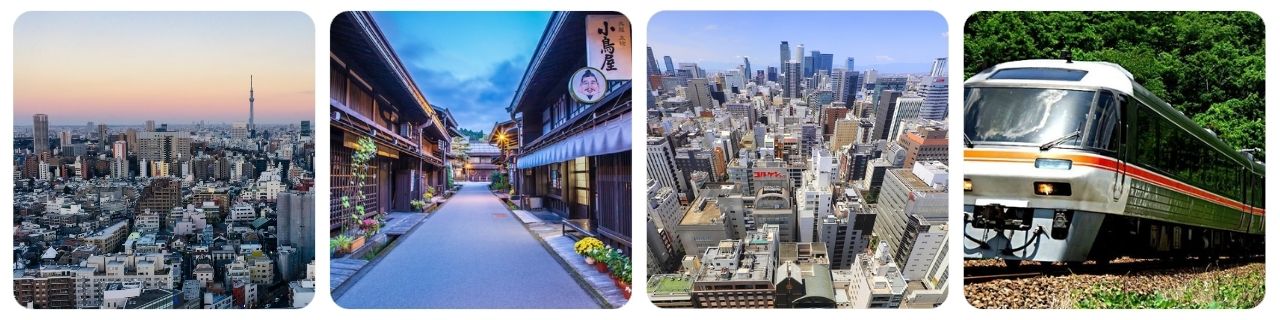
Tokyo to Takayama is one of Japan’s classic alpine journeys, with fast bullet trains, scenic mountain railways, direct buses, and road trip options to suit almost every style and budget.
At A Glance (Tokyo to Takayama)
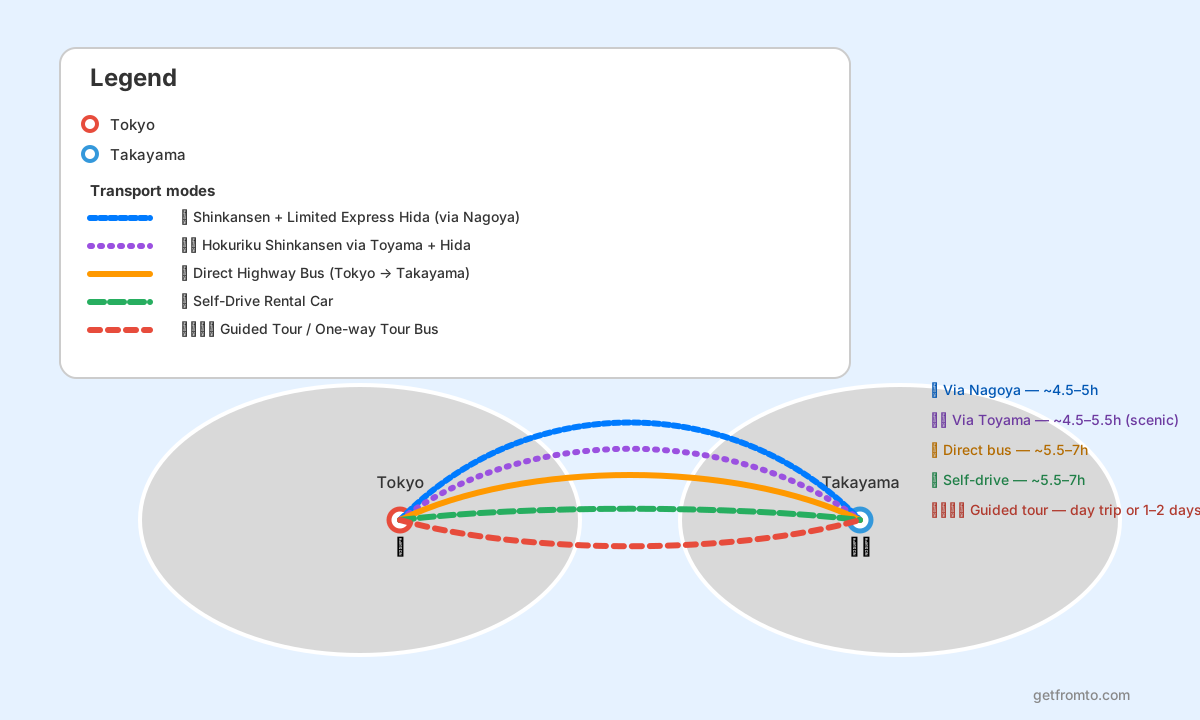
| Mode | Duration | Best For |
|---|---|---|
| 🚆 Shinkansen + Limited Express Hida (via Nagoya) | ~4.5–5h total (Tokyo→Takayama, incl. transfer) | Fastest, most comfortable, first-time visitors |
| 📌 Cost: ~¥16,000–18,000 one-way (standard reserved) » compare routes | Japan Rail tickets | ||
| 🚆🗻 Hokuriku Shinkansen via Toyama + Hida | ~4.5–5.5h (slightly longer but very scenic) | Rail fans, alpine scenery, flexible passes |
| 📌 Cost: Similar to Nagoya route, ~¥16,000–19,000 one-way » JR passes | ||
| 🚌 Direct Highway Bus (Tokyo → Takayama) | ~5.5–7h (day and overnight services) | Budget travelers, simple point-to-point |
| 📌 Cost: ~¥6,000–9,500 one-way » official timetable | book online | ||
| 🚗 Self-Drive Rental Car | ~5.5–7h driving (no long stops) | Road trips, side trips, small groups |
| 📌 Cost: From ~¥20,000–30,000 per car per day (rental + tolls + fuel) » compare car rentals | more car options | ||
| 🧑🏭🚌 Guided Tour / One-way Tour Bus | Day trip or 1–2 day itineraries | Hands-off planning, guided sightseeing |
| 📌 Cost: From ~¥18,000–40,000+ per person » guided trips | Takayama tour ideas | ||
Which Option or Route Should You Choose?
- Fastest / most convenient: Take the Shinkansen + Limited Express Hida via Nagoya if you want a smooth, high-speed trip with minimal stress, especially on a short itinerary.
- Cheapest / most economical: Choose the direct highway bus from Shinjuku or Tokyo Station if you want to save money and don’t mind a longer ride (overnight buses also save on hotel costs).
- Most scenic rail journey: Ride the Hokuriku Shinkansen via Toyama to combine bullet-train comfort with spectacular mountain scenery along the Takayama Line.
- Most flexible schedule / side trips: Go for self-drive by rental car if you want to stop at spots like Matsumoto, the Kiso Valley, or onsen villages along the way.
- Zero-planning & guided sightseeing: Book a guided tour or one-way tour bus package if you prefer someone else to handle timing, tickets, and commentary.
How to Book and Practical Tips
- Reserve popular trains and buses in advance: Limited Express Hida trains and Tokyo–Takayama buses can sell out during weekends, holidays, and foliage/snow seasons. Book via JR ticket offices or online reservation tools, or use platforms like Japan Rail tickets on Klook and bus aggregators such as 12Go Asia.
- Consider JR passes and regional passes: If you are also visiting other cities (Kyoto, Osaka, Kanazawa, etc.), a nationwide or regional JR pass from sites such as JR rail pass providers can make long-distance trains much better value.
- Travel light or store luggage in Tokyo: Bullet trains and buses have limited luggage space. Consider leaving big suitcases at your Tokyo hotel or using luggage storage services like Radical Storage locations in Tokyo so you can enjoy Takayama with a small bag.
- Arrange airport and city transfers smartly: To reach Tokyo Station or Shinjuku with ease, you can use trains and subways, metered taxis, or prebooked private transfers through services like Welcome Pickups or GetTransfer. As an alternative, ride-hailing apps such as Uber or GO (JapanTaxi) also operate in Tokyo.
- Book accommodation near transport hubs: For early departures or late arrivals, staying near Tokyo Station, Shinjuku, or Takayama Station makes everything easier. You can compare central hotels on Booking.com or Trip.com.
- Check seasonal conditions: Winter brings snow and potential delays in the mountains, while Golden Week, Obon, and New Year are peak travel periods. Build in buffer time if you have onward flights or tours.
- Explore by bike or on foot: Once in Takayama (and in Tokyo), renting a bicycle or scooter via services listed on BikesBooking or using local bike-share systems can be a fun way to explore neighborhoods at your own pace.
- Keep some cash on hand: While most trains accept IC cards and major cards, small buses, rural shops, and some ryokan may still prefer cash.
🚆 Option #1 — Shinkansen + Limited Express Hida via Nagoya (Fastest & Most Popular)
Fast Very comfortable JR Pass-friendly
- Overview: Travel from Tokyo Station to Nagoya on the Tokaido Shinkansen (~1h40), then transfer to the JR Limited Express Hida for a scenic ride through the mountains to Takayama (~2.5h). Total travel time is about 4.5–5 hours.
- How to book (with price): A one-way ticket in standard reserved class typically costs around ¥16,000–18,000, depending on seat type and season. Book at JR ticket counters (Midori-no-madoguchi), Shinkansen ticket machines, via JR Central’s official timetable and reservation tools, or through partners like Klook’s Japan Rail tickets or route planners such as 12Go Asia.
- Seat tips: For the Shinkansen, reserve a window seat on the right-hand side when heading west from Tokyo for occasional Mount Fuji views on clear days. On the Hida, the window seats on the right (facing forward towards Takayama) often get the best river and mountain scenery.
- Pros: Fastest option, very comfortable, frequent departures, easy to navigate in English. Fully or largely covered by many JR passes. Great scenery on the Hida segment.
- Cons: Highest cost if you don’t have a rail pass. Requires a platform change at Nagoya, and seats can sell out in peak seasons.
Step-by-step: Shinkansen + Hida via Nagoya
- Get to Tokyo Station: From major hubs like Shinjuku or Shibuya, ride the JR Yamanote Line or Chuo Line to Tokyo Station. From Narita or Haneda airports, use the Narita Express or airport buses/monorail. If you prefer door-to-door service, consider prebooking an airport or hotel transfer via Welcome Pickups or GetTransfer, or use ride-hailing apps such as Uber or GO (JapanTaxi).
- Buy or pick up your tickets: At Tokyo Station, follow signs to JR ticket offices or Shinkansen ticket machines. Show staff your desired departure to Nagoya and connection to Takayama, or use an online booking confirmation from a partner like Klook at a designated ticket machine or counter.
- Board the Tokaido Shinkansen: Go through the Shinkansen ticket gates and locate your platform and car number. Trains are punctual; be at the platform at least 10–15 minutes before departure.
- Transfer at Nagoya Station: On arrival, follow the signs for JR conventional lines and the Limited Express Hida (Takayama/Toyama direction). Transfers usually allow enough time, but avoid very tight connections if traveling with heavy luggage or children.
- Ride the Limited Express Hida to Takayama: Take your reserved seat and enjoy the views as you pass Gifu, Gero, and river valleys into the Hida region. Snacks and drinks can be bought before boarding; vending machines are on the platform in Nagoya.
- Arrive at Takayama Station: Takayama Station is compact, with the central old town about 10–15 minutes on foot. Buses and taxis are directly outside, and many ryokan offer pickup if prearranged.
Getting to the main embarking points (Tokyo Station & Nagoya Station)
- Tokyo Station: Well served by JR lines (Yamanote, Chuo, Keihin-Tohoku) and multiple subway lines. Follow signs for the Shinkansen concourse (usually clearly labeled in English).
- Nagoya Station: Most Shinkansen platforms are on upper levels; the Hida limited express uses JR conventional platforms. Allow extra time if you want to grab a ekiben (station bento) before boarding.
- From Shinjuku/Shibuya: The JR Yamanote Line offers a direct, frequent connection to Tokyo Station; allow ~25–35 minutes in normal conditions.
- With luggage: Consider sending a suitcase ahead using luggage delivery (takkyubin) from your Tokyo hotel, or storing extra bags at luggage storage locations in Tokyo so you travel lighter on the trains.
- Locations/Trip Planner: 🔗 Google Map / 🔗 OpenStreetMap
🚆🗻 Option #2 — Hokuriku Shinkansen via Toyama + Hida (Scenic Rail Route)
Scenic Great for rail passes Flexible stops
- Overview: Take the Hokuriku Shinkansen from Tokyo to Toyama (~2h) and then transfer to the Limited Express Hida or local trains along the Takayama Line to reach Takayama (~1.5–2h). This route is slightly longer than via Nagoya but offers stunning river and gorge views.
- How to book (with price): Fares are broadly similar to the Nagoya route, usually around ¥16,000–19,000 one-way. Check Hokuriku Shinkansen timetables on JR East or JR West’s official pages and book tickets at JR counters, machines, or through online rail-ticket partners like Klook.
- Pros: Dramatic scenery along the Takayama Line, good synergy with Hokuriku-focused itineraries (Kanazawa, Toyama, Kanazawa–Kyoto route), and compatibility with certain regional JR passes.
- Cons: Slightly fewer direct Takayama connections from Toyama compared with Nagoya; can be more complex for first-time visitors if planning many transfers.
Step-by-step: Hokuriku Shinkansen via Toyama
- Reach Tokyo Station: Use JR or subway lines as described above, arriving early enough to navigate to the Hokuriku Shinkansen platforms.
- Board the Hokuriku Shinkansen: Choose a Kagayaki or Hakutaka service to Toyama, depending on schedule and pass coverage. Reserve seats for comfort, especially during busy periods.
- Transfer at Toyama Station: Follow signs to the JR Takayama Line platforms. Depending on the time, you may transfer directly to a Limited Express Hida or board a local train (with more stops and a slightly longer journey).
- Arrive at Takayama: Disembark at Takayama Station and walk or take a short bus/taxi to your accommodation in town.
Getting to the main embarking points (Tokyo Station & Toyama Station)
- Tokyo Station Hokuriku platforms: The Hokuriku Shinkansen uses the same Shinkansen concourse as other bullet trains. Look for the train name and car number on overhead boards.
- Toyama Station: Compact and easy to navigate, with clear English signage to JR lines and local trams if you wish to explore the city before heading to Takayama.
- Combining with wider Hokuriku travel: This route is ideal if you plan to visit Kanazawa, the Noto Peninsula, or other Hokuriku destinations using JR or regional passes.
- Locations/Trip Planner: 🔗 Google Map / 🔗 OpenStreetMap
🚌 Option #3 — Direct Highway Bus (Most Popular Budget Option)
Low cost No transfers Day & overnight
- Overview: Direct highway buses connect Tokyo (Shinjuku Expressway Bus Terminal and Tokyo Station Yaesu) with Takayama. Daytime trips take around 5.5–7 hours; overnight services let you leave late and arrive in the morning.
- How to book (with price): Expect one-way fares of about ¥6,000–9,500 depending on seat type (standard vs. premium), date, and whether it’s a day or night bus. Book directly via operators like Nohi Bus and JR Bus on their official pages, or use booking platforms such as Nohi’s Tokyo–Takayama line, Klook’s highway bus listing, or route comparison sites like 12Go bus routes.
- Onboard comfort: Seats usually recline deeply and may include leg rests, curtains, USB power, and Wi-Fi on some services. Night buses often provide blankets, eye masks, and slippers.
- Pros: Cheapest direct option; no transfers; convenient if you prefer point-to-point travel and/or want to sleep en route.
- Cons: Longer journey; less space to move around versus trains; arrival/departure times may be less flexible than trains for some itineraries.
Step-by-step: Direct Highway Bus
- Choose your departure terminal: Most visitors use Shinjuku Expressway Bus Terminal (“Busta Shinjuku”), though some services also depart from Tokyo Station Yaesu. Pick whichever is closer to your hotel.
- Reserve seats: Book online via official bus sites, tourist-friendly booking platforms, or highway bus aggregators. Print or keep an e-ticket on your phone.
- Arrive early: Be at the terminal 20–30 minutes before departure to locate the correct gate. Terminals have clear departure boards with bus company names and destinations.
- Board and stow luggage: Large suitcases go in the underfloor trunk; bring valuables and essentials in a small backpack. Keep your ticket handy as staff may check it again during rest stops.
- Rest stops and arrival: Long-distance buses usually stop at highway service areas for bathroom and snack breaks. On arrival at Takayama Bus Terminal (right next to Takayama Station), it’s a short walk or taxi ride to most hotels and ryokan.
Getting to the main embarking points (Shinjuku & Tokyo Station Yaesu)
- Shinjuku Expressway Bus Terminal: Located above JR Shinjuku Station’s south exit area. Follow signs for “Expressway Bus Terminal” or “Busta Shinjuku.” Allow extra time during rush hour.
- Tokyo Station Yaesu Bus Terminal: Connected to Tokyo Station’s Yaesu side. Follow bus terminal signs; underground passages link the station concourse and bus area.
- Local access: Use JR lines or subways to reach Shinjuku/Tokyo Station. If traveling with heavy luggage late at night or early morning, call a taxi or use ride-hailing apps like Uber or GO.
- Locations/Trip Planner: 🔗 Google Map / 🔗 OpenStreetMap
🚗 Option #4 — Self-Drive Rental Car (Road Trip Flexibility)
Maximum flexibility Great for side trips Not ideal in heavy snow
- Overview: Driving from Tokyo to Takayama takes roughly 5.5–7 hours, depending on your route and stops. Common routes use the Chuo Expressway via Kofu and Matsumoto, then continue through the mountains to Takayama.
- How to book (with price): Small rental cars in Tokyo often start from around ¥8,000–12,000 per day, with expressway tolls and fuel adding another ¥7,000–8,000+ for this journey. Compare providers and pick-up locations on Booking.com car rentals or Trip.com car hire.
- License & navigation: Most visitors need an International Driving Permit (IDP) plus their home-country license to rent and drive in Japan. Reserve a car with English GPS and consider adding ETC (electronic toll) cards for smoother toll payments.
- Pros: Total flexibility for detours (e.g., Lake Suwa, Matsumoto, onsen towns), door-to-door convenience, ideal for families or groups sharing costs.
- Cons: Expressway tolls and parking costs, winter driving risks (snow/ice), and the need to navigate Japanese road signs and parking rules.
Step-by-step: Self-Drive from Tokyo to Takayama
- Pick up your rental car: Choose a pick-up location that suits your arrival point — many agencies cluster around airports, Tokyo Station, Shinjuku, and other hubs. Verify opening hours and pick-up instructions.
- Head out of Tokyo: Join the Chuo Expressway or another chosen route, following your GPS towards Nagano/Gifu. Plan occasional service-area stops for restrooms, food, and fuel.
- Plan scenic breaks: Consider stopping in Kofu wine country, at Lake Suwa, or in Matsumoto (to see Matsumoto Castle) before continuing on towards the Japanese Alps.
- Drive the mountain section: As you approach the Hida region, roads become more winding. In winter, check weather and chain requirements; if uncomfortable with snow driving, consider switching to train or bus instead.
- Arrive and park in Takayama: Many hotels and ryokan offer guest parking (sometimes paid). Public coin parking lots exist near the old town; always check posted rates and time limits.
Getting to the main embarking points (Rental car locations)
- City pick-up vs. airport pick-up: Collecting a car in central Tokyo avoids airport surcharges but can mean more city traffic; airport pick-ups can be easier if you’re driving out of Tokyo immediately.
- Alternative local mobility: If you prefer to avoid long-distance driving but still want wheels in Tokyo, you can rent bicycles or scooters for local exploring via sites listed on BikesBooking or use city bike-share services.
- Parking near stations: Many rental agencies are close to major stations like Tokyo and Shinjuku; some allow one-way rentals so you can drop the car nearer to Takayama or in another city on your route.
- Locations/Trip Planner: 🔗 Google Map / 🔗 OpenStreetMap
🧑🏭🚌 Option #5 — Guided Tours & One-way Tour Buses
Guided No planning Great for first-timers
- Overview: Several operators offer day trips and multi-day tours from Tokyo that include Takayama, often combined with Shirakawa-go, Matsumoto, or Kanazawa. These typically use chartered buses or a mix of train and bus, with a guide and prearranged stops.
- How to book (with price): Expect prices from around ¥18,000–40,000+ per person depending on itinerary length and inclusions (lunch, attraction tickets, hotel). Compare options on GetYourGuide’s Takayama tours or Takayama and Shirakawa-go packages on Klook.
- Pros: All logistics handled for you; includes commentary, some meals, and attraction entries; ideal if you’re nervous about transfers or traveling with family.
- Cons: Less flexibility with timing and free time in Takayama; may not be cost-effective if you are comfortable traveling independently.
Step-by-step: Joining a Guided Tour or One-way Tour Bus
- Choose a tour style: Decide between a same-day return from Tokyo or a one-way tour that drops you in Takayama (sometimes with luggage storage or transfer options).
- Review the detailed itinerary: Check how much free time you get in Takayama, whether Shirakawa-go or other spots are included, and where the meeting/ending points are.
- Book online: Use trusted tour platforms like GetYourGuide or Klook, paying attention to cancellation policies and what’s included.
- Meet at the designated point: Most tours depart from central Tokyo locations (e.g., Shinjuku or Tokyo Station area). Arrive early with your voucher ready (printed or on your phone).
- Enjoy the ride and commentary: Guides typically provide background on the Japanese Alps, Takayama history, and local culture, so you can just relax and enjoy the scenery.
Getting to the main embarking points (Tour departure spots)
- Central meeting points: Check your voucher carefully; many tours list a specific hotel lobby, bus stop, or station exit. Allow plenty of time to find the spot, especially in busy areas like Shinjuku.
- Transfers within Tokyo: Use JR lines, subways, or buses to reach the meeting point, or consider a short taxi/ride-hailing trip if starting early in the morning.
- Continuing on after Takayama: Some tours end in Takayama or continue to other cities. If you’re staying overnight, book accommodation in advance using platforms like Booking.com or Trip.com for Takayama hotels and ryokan.
- Locations/Trip Planner: 🔗 Google Map / 🔗 OpenStreetMap
FAQ (Tokyo to Takayama)
What is the overall best way to travel from Tokyo to Takayama?
Most travelers choose the Shinkansen + Limited Express Hida via Nagoya because it balances speed, comfort, and simplicity. It takes around 4.5–5 hours, runs frequently, and is easy to book in English. If you are on a tighter budget and don’t mind a longer ride, the direct highway bus is the best-value alternative.
Can I use a Japan Rail Pass on this route?
Yes. Nationwide JR passes and some regional JR passes generally cover the Shinkansen from Tokyo to Nagoya or Toyama and the Limited Express Hida to Takayama, though certain premium services or seat types may require supplements. Always confirm the latest coverage details through official JR resources or JR pass vendors before purchase.
Is it possible to do a day trip from Tokyo to Takayama?
Technically yes, but it makes for a very long day and leaves limited time in Takayama itself. A same-day return by Shinkansen and Hida is only recommended if you’re comfortable with 9–10 hours of total travel. Most visitors stay at least one night in Takayama or combine it with Shirakawa-go or other nearby destinations.
How far in advance should I book trains and buses?
For trains, seat reservations usually open about a month in advance. Booking a few weeks ahead is wise during busy seasons (cherry blossom, Golden Week, summer holidays, autumn foliage, New Year). Highway buses and tours can also sell out around holidays and weekends, so reserve as soon as your dates are fixed.
What about luggage when traveling to Takayama?
Try to travel with a smaller suitcase or backpack and leave big luggage in Tokyo at your hotel or in long-term storage. Coin lockers and luggage storage services are widely available in Tokyo, and many Takayama accommodations can hold your bags before check-in. Night buses and trains have limited luggage space, so pack light where possible.
Is winter travel on this route safe?
Train and bus services are generally reliable even in winter, though heavy snow can sometimes cause delays. Self-driving in winter requires extra caution, winter tires, and possibly snow chains, plus confidence driving on snowy mountain roads. If conditions look severe, favor train or bus over driving.