
How to get from Kagoshima to Yakushima
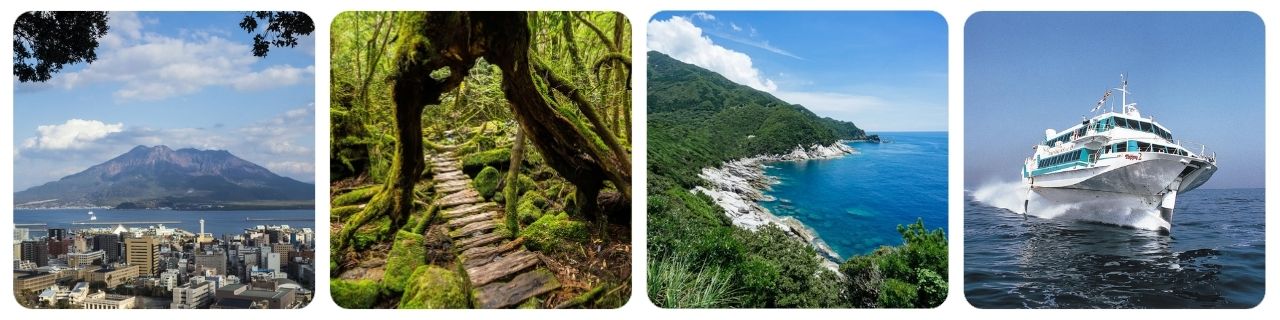
Planning to get from Kagoshima to Yakushima? Here’s how to choose between jetfoils, ferries, and flights so you don’t lose precious island time figuring out logistics.
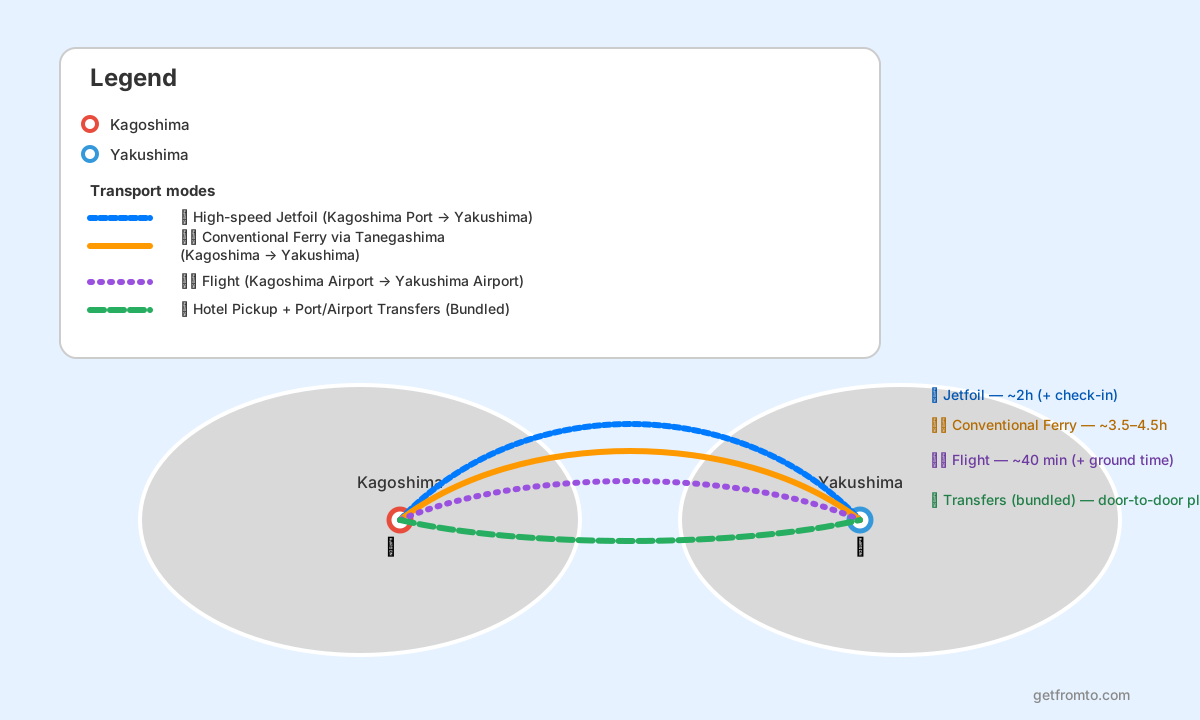
At A Glance (Kagoshima to Yakushima)
| Mode | Duration | Best For |
|---|---|---|
| 🚤 High-speed Jetfoil (Kagoshima Port → Yakushima) | ~2h on water (+ ~30–40m check-in) | Most travelers, fast & frequent |
| 🏷️ Cost: ~JPY 9,000–13,000 one-way, discounts on returns » compare ferries | pre-book jetfoil ticket | ||
| ⛴️ Conventional Ferry via Tanegashima (Kagoshima → Yakushima) | ~3.5–4.5h on water (+ loading/unloading) | Bringing a car, slow & scenic travel |
| 🏷️ Cost: From ~JPY 5,000–7,000 pp one-way (foot passenger); cars from ~JPY 30,000+ return (when car ferries operate). Check latest status on official ferry pages before you plan. | ||
| ✈️ Flight (Kagoshima Airport → Yakushima Airport) | ~40m flight (+ ~60–90m total ground time) | Seasickness-prone, tight schedules, rough-sea season |
| 🏷️ Cost: ~JPY 12,000–25,000 return, season-dependent » search flights | alt. flight deals | ||
| 🚐 Hotel Pickup + Port/Airport Transfers (Bundled) | ~2.5–4h door-to-door (plan-dependent) | Hassle-free trips, families, heavy hikers’ luggage |
| 🏷️ Cost: ~JPY 3,000–8,000 pp for transfers on top of boat/flight » Yakushima day tours | Yakushima activities | ||
Which Option or Route Should You Choose?
- Fastest & most convenient: The 🚤 high-speed jetfoil from Kagoshima Port is usually the sweet spot between speed, price, and frequency. If sea conditions are normal and you don’t need a car, this is the go-to for most travelers.
- Cheapest with a car / very relaxed: If a conventional ⛴️ car ferry via Tanegashima matches your dates and is operating, it’s typically the most economical way to bring your own vehicle and enjoy a slower, more scenic crossing.
- Best in rough sea season or if you get seasick: The ✈️ Kagoshima → Yakushima flight keeps you above the waves. It’s also good if your Yakushima stay is short and every hour matters.
- Most hands-off / good for families: If you’re nervous about Japanese transport or carrying big trekking packs, look at 🚐 bundled transfers and tours that include hotel pickup, port/airport transfers, and sometimes activities on Yakushima.
- Staying near Kagoshima-Chuo Station: Jetfoils and airport buses are easiest. You can compare times and tickets for ferries and flights in one place using platforms such as 12Go before deciding.
How to Book and Practical Tips
- Compare ferries vs flights in one go: Use multi-modal search tools like 12Go or flight search on Booking.com Flights and Trip.com to see prices and schedules side by side.
- Reserve popular sailings early: Peak times (Golden Week, summer holidays, long weekends) can sell out. Pre-book jetfoil tickets through the official Toppy/Rocket site or resellers like GetYourGuide if you want an English booking flow.
- Hotels close to departure points: To simplify early-morning crossings, stay near Kagoshima Port or Kagoshima-Chuo Station. You can filter for port/rail access on Booking.com before you book.
- Luggage logistics: If you want to hike light, consider leaving large suitcases in Kagoshima using a luggage-storage network like Radical Storage instead of hauling everything on the boat.
- On-island mobility: Public buses circle Yakushima but aren’t super frequent. Many visitors rent a car or scooter near Miyanoura or Anbo; you can lock in rentals via Booking.com car rentals or compare bike/scooter options on BikesBooking.
- Transfers to port/airport: In Kagoshima you can pre-book private cars with services like Welcome Pickups or GetTransfer, or just use local taxi/ride-hailing apps such as GO or DiDi that work with licensed taxis.
- Weather matters: Typhoons and strong winds can cancel both ferries and flights. Build at least a half-day buffer into your schedule, and avoid same-day international flight connections after leaving Yakushima if possible.
- Cash & tickets: Smaller ferry counters and rural buses may be cash-only. Convenience stores around Kagoshima-Chuo Station and Miyanoura Port are easy places to top up cash at ATMs before you travel.
- Offline navigation: Download offline maps for Kagoshima, Yakushima, and key ports/airports to your phone before you go so you can navigate even if mobile data is patchy at sea.
🚤 Option #1 — High-speed Jetfoil (Most Popular, Fastest)
Fast crossings Frequent departures Weather-sensitive
- Overview: Ride the high-speed jetfoil (Toppy or Rocket) from Kagoshima Port to Yakushima (Miyanoura or Anbo). Crossing time is roughly 2 hours, and there are usually multiple round-trips per day in each direction.
- Ports & terminals: In Kagoshima you’ll use Kagoshima Port (North or South pier – follow signs for jetfoils to Yakushima/Tanegashima). On Yakushima, most boats arrive at Miyanoura Port; some services use Anbo Port on the east coast. Double-check your ticket so you book accommodation on the convenient side of the island.
- How to book (with price): Adult one-way fares are typically around JPY 9,000–13,000, with discounted round-trip tickets if you return within a fixed window. You can book via the official Tane Yaku Jetfoil reservation site (Japanese-only), or in English through platforms like 12Go or the dedicated jetfoil ticket product.
- Check-in & boarding: Plan to arrive at the terminal at least 30–45 minutes before departure for check-in and seat assignment. You’ll present your booking confirmation and passport, then wait in a lounge until boarding is announced.
- Luggage: Suitcases and backpacks are usually stacked on dedicated racks near the entrance. Very large or heavy items (e.g., big trekking duffels) may need a tag or fee; check your booking conditions if you’re carrying oversized gear.
- Pros: Fastest surface option; frequent departures; comfortable, air-conditioned cabin; easy day-time schedules that line up well with check-in times on Yakushima.
- Cons: More expensive than conventional ferries; sailings can be delayed or cancelled in high waves or typhoons; you can’t bring your own car (only yourself and luggage).
Step-by-step: High-speed Jetfoil from Kagoshima Port
- Pick your dates and time window. Decide when you want to arrive on Yakushima and whether Miyanoura or Anbo is better for your accommodation and planned hikes.
- Check schedules and availability. Look up the latest jetfoil timetable and seat availability on the operator/official tourism websites, then optionally cross-check pricing on 12Go or GetYourGuide.
- Book your ticket. Reserve online if possible (helpful in peak season), or plan to buy at the port ticket counter in Kagoshima. If you book via a reseller that requires a printed voucher, be sure you know where you can print it before travel.
- Travel to Kagoshima Port. On departure day, make your way to Kagoshima Port jetfoil terminal by tram, bus, taxi, or pre-booked transfer (see tips under “Getting to the main embarking points” below).
- Check in and wait in the lounge. Present your booking confirmation at the counter, collect your boarding pass, and wait in the designated seating area until boarding is called.
- Board and stow luggage. Staff will direct you to place suitcases on racks and then take your assigned seat. Keep valuables, seasickness tablets, and a light jacket in your daypack.
- Arrive at Yakushima and connect onward. Disembark at Miyanoura or Anbo, then transfer by local bus, taxi, rental car, or pre-arranged pickup to your accommodation or trailhead.
Getting to the main embarking points (Kagoshima Port)
- From Kagoshima-Chuo Station: Take the city tram toward Suizokukan-guchi and get off near the port area (about 15–20 minutes), then follow signs to the jetfoil terminal. Taxis from Kagoshima-Chuo are plentiful and take around 10 minutes depending on traffic.
- From Kagoshima Airport: Use the airport limousine bus bound for Kagoshima-Chuo Station or the city center, then transfer to tram/taxi for the final leg to the port. You can also compare airport–city transfer options on services like 12Go.
- By taxi or app: If you prefer door-to-door, ask your hotel to call a taxi or use an English-friendly taxi app like GO or DiDi, which work with local licensed cabs, to set Kagoshima Port as your destination.
- Walking from nearby hotels: If you’re staying around the waterfront area, the port is often an easy 10–20 minute walk; confirm the exact pier (North/South) with your booking and hotel front desk.
- Locations/Trip Planner: 🔗 Google Map / 🔗 OpenStreetMap
⛴️ Option #2 — Conventional Ferry via Tanegashima (Scenic, Car-Friendly)
Can bring a car Relaxed & scenic Limited departures
- Overview: Conventional ferries link Kagoshima with Tanegashima and Yakushima, typically calling at Nishinoomote (Tanegashima) and then Miyanoura on Yakushima. Crossing times are around 3.5–4.5 hours, slower than jetfoils but more spacious and better suited to vehicles.
- Current status (late 2025): Timetables and available ships change; the well-known “Ferry Yakushima 2” has experienced suspension periods, and “Ferry Hibiscus” has often covered the route via Tanegashima. Always verify which ship is currently running and from which pier before locking in your plans.
- How to book (with price): Foot passengers generally pay around JPY 5,000–7,000 one-way, with returns or round-trip tickets giving a small discount. A standard passenger car can cost upward of JPY 30,000 return depending on size and season. Most bookings are done directly at the Kagoshima ferry terminal or via Japanese-language reservation numbers, so allow extra time if you’re buying on the day.
- Onboard experience: Expect simple lounges, tatami or reclining areas, vending machines, and great views of Sakurajima and the Ōsumi Islands from deck. You can walk around freely, nap, or picnic while you sail.
- Pros: More spacious than jetfoils; better if you dislike cramped seating; ideal if you want your own car or a very relaxed start to your Yakushima trip.
- Cons: Fewer departures; slower overall; car space must often be reserved well in advance in peak seasons; schedules are still affected by storms or very rough seas.
- Tip for non-drivers: If you’re on foot and simply want the cheapest crossing, compare conventional ferry prices with jetfoil deals on this Kagoshima–Yakushima ferry page to see if the time trade-off is worth it.
Step-by-step: Conventional Ferry via Tanegashima
- Check which ferry is running. Look up the latest information for Kagoshima–Yakushima ferries (Hibiscus, Yakushima 2, or others) and confirm their departure pier and intermediate stops.
- Decide if you’re bringing a vehicle. If you plan to drive onto the ship, note your car’s length and height – you may be asked for these when booking and charged accordingly.
- Reserve or plan to purchase tickets. For cars in particular, try to reserve by phone or online (where available) several days in advance. Foot passengers can often buy same-day, but popular departures may still sell out.
- Arrive early at the terminal. Vehicle check-in can start 1–2 hours before departure; foot passengers should target at least 45–60 minutes before sailing to clear ticket purchase and boarding procedures.
- Board and settle in. Drivers will be directed onto the car deck and asked to apply the handbrake and leave the vehicle in gear/park; then you head upstairs to the passenger areas. Foot passengers board via pedestrian gangways.
- Enjoy the crossing. Bring snacks, a light jacket, and maybe a small blanket or travel pillow; you’ll have time to relax, read, or just enjoy views of Sakurajima and open ocean.
- Arrival and disembarkation. Vehicles leave deck-by-deck upon arrival at Miyanoura; foot passengers follow crew directions down to the pier. From there, connect to local buses, taxis, or your accommodation’s pickup.
Getting to the main embarking points (Kagoshima Ferry Piers)
- From Kagoshima-Chuo Station: Use city buses or taxis heading toward the “New Port” or long-distance ferry area (often a little farther from the city center than the jetfoil pier). Your hotel can confirm the specific bus stop and route number.
- From central Kagoshima hotels: Many hotels near the waterfront offer simple access by bus or can call a taxi to the appropriate ferry pier. Ask the front desk to write the ferry name and pier in Japanese for your driver.
- From Kagoshima Airport: If you’re arriving the same morning, consider a limousine bus to Kagoshima-Chuo Station followed by a taxi; private transfers via Welcome Pickups or GetTransfer are worth considering if you’re traveling with a lot of luggage.
- Locations/Trip Planner: 🔗 Google Map / 🔗 OpenStreetMap
✈️ Option #3 — Flight Kagoshima → Yakushima (Most Reliable in Rough Seas)
Shortest travel time Good in high waves Can be pricier
- Overview: Domestic flights connect Kagoshima Airport (KOJ) and Yakushima Airport (KUM) in about 35–40 minutes of air time. It’s the fastest end-to-end option once you factor in boarding and disembarking.
- Airlines & frequency: Regional flights are typically operated by JAL Group or ANA-affiliated regional carriers, with multiple daily services in busy seasons. Schedules can change with demand, so always confirm nearer your travel dates.
- How to book (with price): One-way fares can vary from around JPY 7,000–15,000 depending on advance purchase and season; round-trip tickets often sit in the JPY 12,000–25,000 range. Compare fares and times on Booking.com Flights and Trip.com’s KOJ–KUM page, or via airline websites directly.
- Ground transfers: Factor in time and cost getting from Kagoshima city to Kagoshima Airport (about 40–60 minutes by limousine bus or car) and from Yakushima Airport to your accommodation (15–40 minutes by bus, taxi, or rental car).
- Pros: Very fast; usually more resilient to moderate sea conditions than boats; great option if you’re prone to seasickness or visiting in typhoon season and want a back-up plan.
- Cons: Total cost can be higher than ferries; luggage allowances may be stricter than boats; flights can still be cancelled in strong winds or heavy rain.
Step-by-step: Flight via Kagoshima Airport
- Choose your travel window. Decide whether you want to arrive early on Yakushima (good for checking in and a short walk) or later in the day.
- Search and book tickets. Use Booking.com Flights, Trip.com, or airline sites to find a suitable flight. Check fare rules for changes and cancellations in case of weather disruptions.
- Plan your transfer to Kagoshima Airport. From Kagoshima-Chuo Station, limousine buses run frequently to the airport; alternatively, consider a pre-booked car through Welcome Pickups or GetTransfer if you want a private ride.
- Arrive 60–90 minutes before departure. Domestic check-in is usually quick, but allow enough time for check-in, baggage drop, and security.
- Fly to Yakushima. Enjoy views over Sakurajima and the Ōsumi Islands if it’s clear. Flight time is short, so keep essentials in your small carry-on.
- Connect from Yakushima Airport. At Yakushima Airport, pick up a rental car reserved via Booking.com’s car rental section, look for local bus stops to Miyanoura/Anbo, or take a taxi straight to your hotel or trailhead.
Getting to the main embarking points (Kagoshima & Yakushima Airports)
- Kagoshima city → Kagoshima Airport: Limousine buses depart from Kagoshima-Chuo Station and key downtown stops roughly every 10–20 minutes during the day; journey time is about 40–60 minutes depending on traffic.
- Central Kagoshima hotels: Many hotels are within walking distance of a limousine bus stop; ask staff which stop is closest, or have them call a taxi if you have bulky luggage.
- Yakushima Airport → your accommodation: Local buses connect the airport with Miyanoura and Anbo. If you plan to explore the island by vehicle, pre-booking a car or scooter via BikesBooking or car rental platforms can save time on arrival.
- Locations/Trip Planner: 🔗 Google Map / 🔗 OpenStreetMap
🚐 Option #4 — Bundled Transfers & Tours (Most Hassle-free)
Low planning effort Great for groups Less flexible
- Overview: Some operators bundle the logistics for you: hotel pickup in Kagoshima, transfers to the port or airport, reserved jetfoil/flight tickets, and sometimes guided activities on Yakushima. You pay more than DIY but trade money for simplicity.
- What’s typically included: Pickup at your Kagoshima hotel, vehicle transfer to Kagoshima Port or Airport, tickets, and sometimes transfers on Yakushima plus sightseeing or hiking tours.
- How to book (with price): Prices vary widely depending on inclusions. Simple transfer add-ons may start around JPY 3,000–5,000 per person; full-day guided tours including island transport can run from JPY 10,000–20,000+. Browse offers on GetYourGuide and Klook for English-language options.
- Pros: Minimal logistics; someone else keeps an eye on ferry/flight times; ideal if you don’t speak Japanese and want one point of contact.
- Cons: Higher cost; fixed schedules; less flexibility to linger at places you love or detour spontaneously.
Step-by-step: Using Bundled Transfers/Tours
- Choose your base and dates. Decide how many nights you’ll spend on Yakushima and where you want to base yourself (Miyanoura, Anbo, or a remote lodge).
- Search for packages. Filter results on GetYourGuide or Klook for tours that mention transfers from Kagoshima or clearly detail how they handle tickets.
- Check meeting points and times carefully. Some packages start in Kagoshima City, others assume you’re already on Yakushima. Make sure the wording matches your situation.
- Confirm what’s included. Look for notes on whether ferry/flight tickets, island buses, lunches, equipment rental, and park fees are covered or separate.
- Coordinate hotel stays. Once your package is booked, tie in Kagoshima and Yakushima hotel reservations, ideally using a flexible rate on Booking.com in case ferries or flights change.
Getting to the main embarking points (For Bundled Options)
- Hotel pickup: Many packages collect you directly from your hotel lobby in central Kagoshima; be ready 10–15 minutes before the specified time.
- Designated meeting spots: If the operator uses a central meeting point (e.g., near Kagoshima-Chuo Station or at Kagoshima Port), your confirmation voucher will list a landmark and often a map link – keep this handy on your phone.
- Yakushima side: Some tours include shuttles from Miyanoura or Anbo ports, while others start at a central bus stop. Clarify this to avoid last-minute confusion.
- Locations/Trip Planner: 🔗 Google Map / 🔗 OpenStreetMap
FAQ (Kagoshima to Yakushima)
What is the easiest way for a first-time visitor to get from Kagoshima to Yakushima?
Most first-time visitors find the high-speed jetfoil from Kagoshima Port to Miyanoura the easiest option. Signage is clear, boarding is straightforward, and the crossing is fast enough that you’re on the island before lunchtime. If you’re very sensitive to motion sickness or traveling during typhoon season, consider flying instead.
Do I need to book ferries and flights in advance?
Outside of peak holiday periods, it’s often possible to buy jetfoil and some ferry tickets on the day, but advance booking is strongly recommended for weekends, national holidays, and summer. Flights should be booked ahead for the best prices and to secure convenient times.
Can I bring my own car from Kagoshima to Yakushima?
Yes, but only on conventional car ferries when they are operating (not on jetfoils). Space for vehicles is limited, so you’ll want to reserve early and double-check that your chosen ferry is currently running. For many visitors, it’s simpler to rent a car on Yakushima instead.
Is the sea route very rough?
Sea conditions vary by season and weather. In calm weather the jetfoil and ferries are quite comfortable; during storms or high waves, sailings can become choppy or be cancelled entirely. If you know you get seasick easily, bring motion-sickness medication, sit toward the middle of the vessel, or opt for a flight instead.
How long should I plan to stay on Yakushima?
A minimum of two nights (one full day) is possible but feels rushed. Many travelers aim for 3–4 nights to allow a full day hike, a lighter day exploring waterfalls or beaches, and a buffer in case weather affects ferries or flights.


Related Tours/Services
Popular Routes
Recent Routes
- How to get from PortMiami Cruise Terminal to Miami International Airport
- How to get from Samarkand to Bukhara
- How to get from Bell Tower (Xi’an) to Xi’an North Railway Station
- How to get from Canal City Hakata to Hakata Station
- How to get from Rialto Bridge (Venice) to Venezia Santa Lucia Station
- How to get from Florence Cathedral (Duomo) to Firenze Santa Maria Novella Station
- How to get from Nice to Paris
- How to get from Ribeira District (Porto) to Porto Campanhã Station
- How to get from Anne Frank House to Amsterdam Sloterdijk Station
- How to get from Buckingham Palace to London Victoria Station
Top Travel Gears

DUDE Wipes Unscented Pocket Packs, Adult Flushable Travel Wipes, 48 Count

zelin Anti Theft Zipper Clips, Travel Essentials, Carabiner, 4Pcs Grey

INIU 10000mAh 45W Fast Charging Portable Charger, Smaller Travel Power Bank | Flight-Safe, Detachable USB C Cable, Travel Essential, External Battery Phone Pack for iPhone 18 17 Samsung iPad etc
travel inspira Luggage Scale Digital Suitcase Weight Scale for Travel
2026 Travel Essentials for Apple Watch Charger,Cruise Vacation Camping Essentials,iPhone Charger,Multi Charging Cable,3 in 2 Charging Docks for iWatch Series 12 11-2/Ultra,iPhone 18 17-12,Car