
How to get from Tokyo to Kamikochi
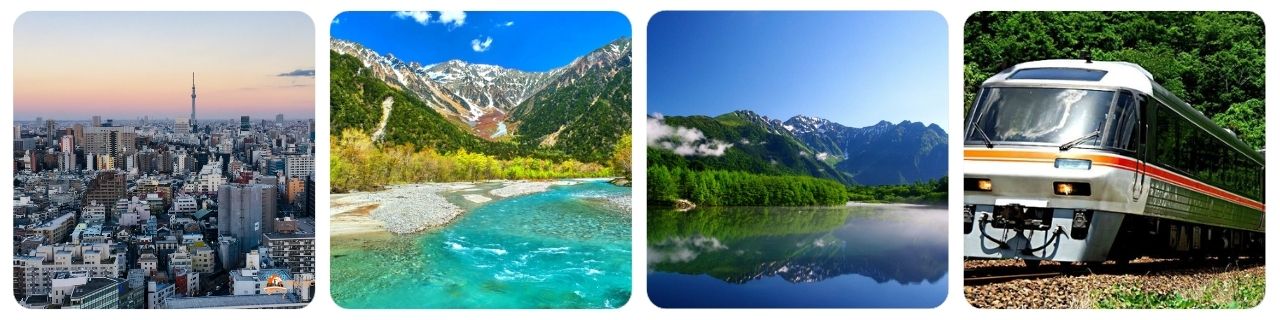
Reaching the alpine valley of Kamikochi from Tokyo means combining trains, highway buses, and mountain shuttles, but once you understand the key routes it becomes a smooth and very scenic journey.
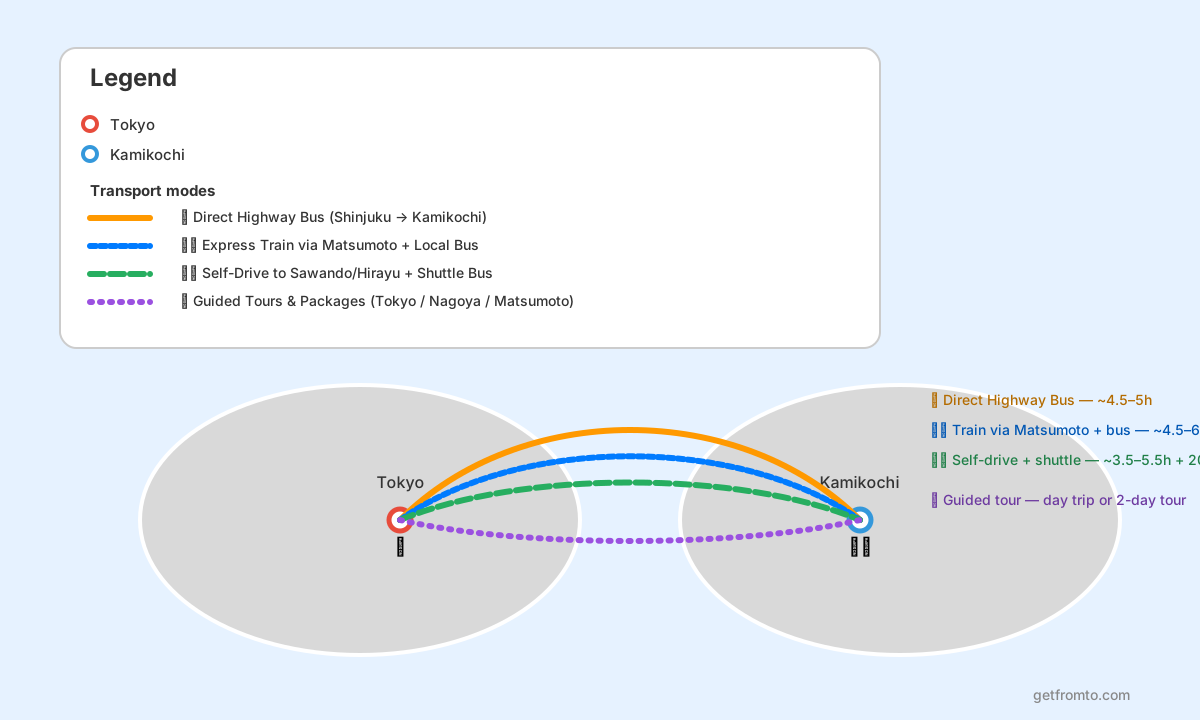
At A Glance (Tokyo to Kamikochi)
| Mode | Duration | Best For |
|---|---|---|
| 🚌 Direct Highway Bus (Shinjuku → Kamikochi) | ~4.5–5h from Shinjuku Expressway Bus Terminal to Kamikochi Bus Terminal | Most travelers, simple & direct |
| 🏷️ Cost: ~¥8,000–16,000 one-way depending on date and seat class. Reserve online via the official highway bus site or check comparison tools such as Shinjuku–Matsumoto buses on 12Go for similar pricing and schedules. | ||
| 🚆🚌 Express Train via Matsumoto + Local Bus | ~4.5–6h total (2.5–3h train to Matsumoto + 1–2h train/bus combo to Kamikochi) | JR Pass users, scenic route, flexible timing |
| 🏷️ Cost: Train Tokyo/Shinjuku→Matsumoto from ~¥9,800 one-way (limited express), plus ~¥2,500–4,000 for Matsumoto→Kamikochi train/bus combo. Compare Tokyo–Matsumoto trains on 12Go Asia. | ||
| 🚗🚌 Self-Drive to Sawando/Hirayu + Shuttle Bus | ~3.5–5.5h drive from Tokyo area + 20–30m shuttle bus into Kamikochi | Road trips, groups, combining nearby areas |
| 🏷️ Cost: Rental car from ~¥8,000–15,000 per day plus highway tolls, ~¥600–700/day parking and ~¥2,000–3,500 for round-trip shuttle bus. Compare rental deals on Booking.com Car Rentals. | ||
| 🧳 Guided Tours & Packages (Tokyo / Nagoya / Matsumoto) | Long day trip or 2-day tour | Hands-off planning, first-time visitors |
| 🏷️ Cost: Day trips from nearby cities from ~¥15,000–30,000; 2-day hiking packages from Tokyo can be higher. Check options on GetYourGuide Kamikochi tours or Klook Kamikochi experiences. | ||
Which Option or Route Should You Choose?
- Fastest & most convenient overall: For most visitors traveling between mid-April and mid-November, the direct Shinjuku–Kamikochi highway bus (Option #1) is the smoothest: no transfers, luggage stays in one place, and you arrive right at Kamikochi Bus Terminal.
- Best value if you already have a JR Pass: If you hold a JR Pass or want to enjoy rail travel, choose train via Matsumoto + local bus (Option #2). The JR Azusa limited express covers the longest leg, and only the last stretch to Kamikochi needs separate tickets.
- Best for road trippers and families: If you like driving and plan to combine Kamikochi with Matsumoto, Takayama, or the wider Japan Alps, self-drive to Sawando/Hirayu (Option #3) plus shuttle bus offers complete flexibility.
- Best for zero-logistics travelers: Those who prefer a guide, fixed schedule and bundled transport can pick tours and packages (Option #4) from Tokyo, Nagoya or Matsumoto on platforms like GetYourGuide or Klook.
How to Book and Practical Tips
- Check Kamikochi’s opening season: Kamikochi is usually open from April 17 to November 15 only; buses and most facilities shut down in winter. Confirm dates and latest notices on the official Kamikochi access page.
- Book highway buses and local buses in advance: Direct Shinjuku–Kamikochi buses and Matsumoto–Kamikochi buses are now mostly reservation-only in peak season. Make reservations through official bus sites or at counters, and consider using search tools like 12Go Asia for Tokyo–Matsumoto routes.
- Reserve accommodation early: Lodges in Kamikochi itself are limited and popular. If they’re full, look at hotels around Matsumoto or Hirayu Onsen via Booking.com Nagano Prefecture stays, then day-trip into the valley.
- Use luggage storage smartly: Kamikochi is best enjoyed with a small daypack. Leave big suitcases in Tokyo, Matsumoto or Nagano using station lockers or services like Radical Storage in Tokyo and travel to the mountains light.
- Plan for early arrivals and last bus times: Last buses leaving Kamikochi can be earlier than you expect, especially in shoulder seasons. Always double-check the day’s last departure at the Kamikochi Bus Terminal or Information Center when you arrive.
- Leverage tours and transfers when landing in Japan: If you land at Narita or Haneda and feel jet-lagged, consider staying overnight in Tokyo first. Use airport transfers from Welcome Pickups Tokyo, or ride-hailing apps like Uber/JapanTaxi, then head to Kamikochi the next morning.
- Respect park rules: Kamikochi is part of Chubu Sangaku National Park with strict rules: no private cars, stay on paths, and pack out your trash. Check the English “Rules in Kamikochi” section on the Kamikochi Visitor Center site before visiting.
🚌 Option #1 — Direct Highway Bus (Shinjuku → Kamikochi)
Most straightforward No transfers Seasonal service
- Overview: The Sawayaka Shinshu highway bus runs seasonally from Shinjuku Expressway Bus Terminal (Busta Shinjuku) directly to Kamikochi Bus Terminal, with no transfers required. Travel time is around 4.5–5 hours and you’ll be dropped right in the heart of Kamikochi near Kappa Bridge.
- Season & frequency: Buses usually operate from mid-April to mid-November, often once or twice daily in each direction. Some dates may have more services during peak holidays and fewer in shoulder seasons.
- How to book (with price): One-way fares typically range from around ¥8,000–16,000 depending on the date and seat type (standard vs. premium). You can reserve seats on the operator’s official English site such as Highway-buses.jp or via reservation portals like highwaybus.com Shinjuku–Kamikochi line. For other Tokyo–Nagano buses, check schedules on 12Go Asia.
- On-board experience: Expect reclining seats, rest stops en route, and overhead storage for smaller bags. Large luggage goes under the bus; keep valuables and a warm layer with you.
- Pros: Door-to-door from Tokyo to Kamikochi; no transfers; cost-competitive with train+bus combinations; minimizes chances of missing a connection.
- Cons: Fixed schedule; seats can sell out during Golden Week, summer, and autumn foliage; long time sitting on the bus; weather or traffic on expressways can cause delays.
- Official info: For up-to-date timetable details and any changes to operation periods, check the Alpico Shinjuku–Kamikochi route page or the English route search at Highway-buses.jp.
Step-by-step: Direct Highway Bus from Shinjuku
- Get to Shinjuku the day before (optional but recommended): If you’re arriving from abroad, consider spending a night in Shinjuku or nearby. Compare Shinjuku-area hotels on Booking.com Tokyo stays so you can walk or take a short metro ride to Busta Shinjuku in the morning.
- Reserve your bus seat: Visit the Shinjuku–Kamikochi booking page or search by route on highwaybus.com to pick your date and seat type. Print or save your confirmation.
- Arrive at Shinjuku Expressway Bus Terminal (Busta Shinjuku): On departure day, reach Busta Shinjuku at least 30 minutes early. It is directly connected to JR Shinjuku Station; follow signs for “Expressway Bus Terminal”.
- Check in and find your gate: Use departure boards to find the gate for the Shinjuku–Kamikochi bus. If needed, show your confirmation at the counter to receive a printed ticket.
- Board the bus: Staff will load large luggage into the hold. Find your seat, keep your valuables with you, and prepare a jacket or travel pillow for the ride.
- Arrive at Kamikochi Bus Terminal: After the final mountain approach, you’ll arrive at Kamikochi Bus Terminal. From here, it’s a short walk to Kappa Bridge, the Visitor Center, and many trailheads.
Getting to the main embarking points (Busta Shinjuku & Kamikochi Bus Terminal)
- Within Tokyo: Use JR lines, Metro, or private railways to reach JR Shinjuku Station. Follow signs for the “New South Exit” and “Expressway Bus Terminal” or ask station staff to point you toward Busta Shinjuku.
- From airports to Shinjuku: From Narita or Haneda, use airport limousine buses, JR Narita Express, Keisei Skyliner (to Ueno then JR to Shinjuku), or pre-book a car through Welcome Pickups Tokyo. Ride-hailing apps like Uber and local taxis also operate widely in the city.
- In Kamikochi: Kamikochi Bus Terminal is the main hub. The Kamikochi Information Center and Visitor Center are a short walk away, and multilingual staff can provide maps and trail advice.
- Locations/Trip Planner: 🔗 Google Map / 🔗 OpenStreetMap
🚆🚌 Option #2 — Express Train via Matsumoto + Local Train/Bus
Great with JR Pass Scenic route One easy transfer
- Overview: Travel from Tokyo (usually Shinjuku) to Matsumoto by JR Azusa limited express, then continue by local train on the Kamikochi Line to Shin-Shimashima and finally by ALPICO bus into Kamikochi. This is the classic route recommended by the official Kamikochi site for travelers coming from Tokyo.
- Typical timing: Shinjuku→Matsumoto takes about 2.5–3 hours by Azusa; Matsumoto→Shin-Shimashima is around 30 minutes, and the bus from Shin-Shimashima to Kamikochi adds about 1–1.5 hours depending on stops.
- How to book (with price): Azusa limited express fares from Tokyo/Shinjuku to Matsumoto are usually around ¥9,800–11,000 one-way, covered by many JR passes. Matsumoto→Kamikochi train+bus combinations typically cost about ¥2,500–4,000 one-way depending on ticket type. You can check train and bus options on 12Go Asia’s Tokyo–Matsumoto train page and see Kamikochi bus timetables on the Alpico Kamikochi timetable.
- Pros: Flexible timings, especially if direct Shinjuku–Kamikochi buses are full; great scenery; JR Pass holders pay less out of pocket; plenty of food and accommodation options in Matsumoto.
- Cons: Involves at least one transfer (Matsumoto or Shin-Shimashima); local buses can require reservations in peak season; slightly more planning than a direct bus.
- Official info: For detailed public transportation guidance via Matsumoto, see the “By Public Transportation” section of the Kamikochi official access page and Matsumoto access info on Visit Matsumoto.
Step-by-step: Train via Matsumoto + Bus to Kamikochi
- Take the JR Azusa from Tokyo/Shinjuku to Matsumoto: From Shinjuku Station, board the Azusa limited express bound for Matsumoto. Reserve a seat at JR ticket offices or use your JR Pass where valid. For alternative trains or overnight buses, check availability on 12Go Asia.
- Explore or stay in Matsumoto (optional): Many travelers spend a night in Matsumoto to visit Matsumoto Castle and stock up on supplies. Browse central hotels and ryokan on Booking.com Matsumoto.
- Ride the Kamikochi Line to Shin-Shimashima: From Matsumoto Station, transfer to the private Kamikochi Line (operated by ALPICO) and ride to Shin-Shimashima, the final stop. Trains usually align with bus departures.
- Transfer to the Kamikochi bus at Shin-Shimashima: At Shin-Shimashima, follow signs to the Kamikochi-bound buses. Show your combo ticket or buy a bus ticket at the counter. In peak seasons these buses may be fully reserved, so book ahead if possible.
- Arrive at Kamikochi Bus Terminal: The bus will stop at Taisho Pond and other stops before finishing at Kamikochi Bus Terminal. Confirm your preferred stop when you board if you plan to get off before the terminal.
Getting to the main embarking points (Shinjuku, Matsumoto & Shin-Shimashima)
- Tokyo hotels to Shinjuku Station: From central Tokyo, use JR Yamanote Line or metro lines (Marunouchi, Oedo, etc.) to reach Shinjuku. Staying nearby the night before is easiest when catching an early Azusa train.
- Matsumoto Station area: Matsumoto Station is compact and walkable. When booking hotels on Booking.com, look for accommodation within walking distance of the station for easy morning connections.
- Shin-Shimashima: This small terminus is mainly a transfer hub. Facilities include ticket counters, waiting rooms, and restrooms. Everything is clearly signposted in Japanese and English.
- Locations/Trip Planner: 🔗 Google Map / 🔗 OpenStreetMap
🚗🚌 Option #3 — Self-Drive to Sawando/Hirayu + Shuttle Bus
Flexible itinerary Good for groups No private cars in Kamikochi
- Overview: Private cars and motorcycles are not allowed into Kamikochi itself. Instead, you drive from Tokyo to designated parking areas at Sawando (Nagano side) or Hirayu (Gifu side), then board a shuttle bus or taxi for the final 20–30 minutes into Kamikochi.
- Drive details: From Tokyo, most people take expressways toward Nagano or Matsumoto, then follow Route 158 toward Kamikochi. The drive typically takes 3.5–5.5 hours depending on traffic and exact starting point.
- Parking & shuttle costs: Parking at Sawando or Hirayu usually costs around ¥600–700 per day. Buses from these parking areas to Kamikochi are about 20–30 minutes each way and can be purchased as round-trip tickets. Details are available on the “By Car” section of the official Kamikochi car access page.
- How to book (with price): Rental cars around Tokyo generally start at ¥8,000–15,000 per day depending on car size and season. Use Booking.com Car Rentals to compare providers at Tokyo Station, Shinjuku, or airports. Bus tickets from Sawando/Hirayu to Kamikochi are purchased locally at ticket counters or vending machines.
- Pros: Ideal if you’re combining Kamikochi with other Japan Alps stops like Matsumoto, Takayama or Shirakawa-go; very flexible schedule; easy for families or small groups.
- Cons: Expressway tolls and fuel costs add up; mountain roads can be busy or closed in bad weather; you still need to switch to public transport at Sawando/Hirayu.
Step-by-step: Self-Drive + Shuttle Bus
- Rent a car in Tokyo or nearby: Decide whether to pick up the car in central Tokyo, Shinjuku, or at airports like Haneda/Narita. Filter for automatic transmission and ETC (toll card) when searching on Booking.com Car Rentals.
- Plan your driving route: Use your navigation app or car GPS to set Sawando Parking Area or Hirayu Onsen as your destination. Aim to arrive in the morning to secure parking and catch early shuttles.
- Park and buy shuttle tickets: At Sawando or Hirayu, park your car in the designated lots. Purchase round-trip bus tickets to Kamikochi from the ticket counter or machines; staff can advise on the next departure.
- Ride the shuttle bus into Kamikochi: Board the bus and enjoy the final scenic stretch. You’ll usually arrive at Kamikochi Bus Terminal near Kappa Bridge.
- Return to your car at the end of the day: Be sure to check the time of the last bus back to Sawando/Hirayu when you arrive in the morning. Missing the last bus may require an expensive taxi ride.
Getting to the main embarking points (Sawando & Hirayu Parking Areas)
- From Tokyo to Matsumoto area: Drive via the Chuo Expressway toward Nagano, following signs towards Matsumoto. Rest areas along the way make good stops for food and fuel.
- Sawando Parking Area: Located on the Nagano (Matsumoto) side, Sawando is the main parking area for those approaching from Tokyo via Matsumoto. It has restrooms, shops and bus stops for Kamikochi.
- Hirayu Parking Area: On the Gifu (Takayama) side, Hirayu is convenient if you are combining Kamikochi with Takayama or the Okuhida onsen area. Shuttle buses from Hirayu also run into Kamikochi during the open season.
- Locations/Trip Planner: 🔗 Google Map / 🔗 OpenStreetMap
🧳 Option #4 — Guided Tours & Packages (Tokyo / Nagoya / Matsumoto)
Least hassle Great for non-Japanese speakers Less flexibility
- Overview: If you prefer someone else to handle transfers and logistics, you can book Kamikochi day trips or 2-day tours that bundle buses, guides and sometimes accommodation. Many depart from Nagoya or Matsumoto, and some multi-day options start right in Tokyo.
- What’s typically included: Round-trip transport to Kamikochi, free time or guided walks around spots like Taisho Pond and Kappa Bridge, and sometimes extra stops at Matsumoto Castle or other Japan Alps highlights.
- How to book (with price): Prices vary widely. Expect roughly ¥15,000–30,000+ for organized day tours from nearby cities, and more for multi-day packages from Tokyo. Browse Kamikochi hiking tours and sightseeing trips on GetYourGuide or on Klook’s Kamikochi page, which includes day trips and longer itineraries.
- Pros: Simple for first-time visitors or those who don’t speak Japanese; no need to navigate multiple ticket machines or timetables; often includes interesting side stops.
- Cons: Fixed schedule; less time to wander freely; may be more expensive per person than arranging everything yourself.
Step-by-step: Using Guided Tours & Packages
- Choose your departure city: If you are already in Tokyo, consider 2-day Kamikochi hiking tours that include transport from the capital. If you’re exploring central Japan, a Nagoya- or Matsumoto-based day tour can be more efficient.
- Compare itineraries and reviews: On GetYourGuide and Klook, filter for language options, group size, and inclusions (lunch, admissions, hotel pickup).
- Book and confirm meeting points: Pay attention to meeting locations—often major train stations like Nagoya, Matsumoto, or Tokyo. Save your vouchers offline and arrive 10–15 minutes early.
- Prepare for the mountains: Even on guided tours, pack layers, rain gear, snacks and plenty of water. Weather in Kamikochi can be cool and changeable even in summer.
Getting to the main embarking points (Tokyo, Nagoya & Matsumoto)
- Tokyo departure: For Tokyo-based tours, make sure your hotel has easy access to the tour’s start point (often near Tokyo or Shinjuku Station). When reserving a hotel on Booking.com, check access to JR or metro.
- Nagoya & Matsumoto departures: If your tour begins at Nagoya or Matsumoto Station, plan your Shinkansen or limited express arrival with some buffer. You can compare Tokyo–Nagoya or Tokyo–Matsumoto trains through 12Go Asia (for Nagano/Nagoya directions) and related routes.
- Local transfers: Many tours clearly describe whether hotel pickup is included or if you must walk to a specified meeting point. Read the fine print on the tour page so there are no surprises on the day.
- Locations/Trip Planner: 🔗 Google Map / 🔗 OpenStreetMap
FAQ (Tokyo to Kamikochi)
When is Kamikochi open, and can I visit in winter?
Kamikochi is generally open to regular visitors from mid-April (around April 17) to mid-November (around November 15). Outside this period, bus services stop and all hotels and shops inside close. Winter access is only possible for well-equipped mountaineers on foot, and is not recommended for ordinary travelers.
Can I drive my own car into Kamikochi?
No. Private cars and motorcycles are prohibited within Kamikochi to protect the environment. Drivers must park at Sawando (Nagano side) or Hirayu (Gifu side), then transfer to shuttle buses or taxis for the final leg into the valley.
What is the easiest way to get from Tokyo to Kamikochi with a JR Pass?
The most straightforward JR Pass route is to take the JR Azusa limited express from Shinjuku to Matsumoto using your pass, then pay separately for the private Kamikochi Line train to Shin-Shimashima and the ALPICO bus into Kamikochi. The direct highway bus is not covered by JR passes.
Is Kamikochi suitable for a day trip from Tokyo?
It is possible, especially using the direct Shinjuku–Kamikochi bus or a fast train+bus combination, but it will be a long day with limited hiking time. Many travelers prefer to overnight in Kamikochi, Matsumoto, or nearby onsen towns like Hirayu to enjoy the area more leisurely.
Do I need to reserve buses in advance?
Yes, it is increasingly common for highway buses and some local routes to Kamikochi to require reservations, especially during peak weekends and holidays. Whenever possible, book online through official sites or at bus terminals a few days ahead.
- useful references:
- https://www.kamikochi.org/access
- https://www.kamikochi-vc.or.jp/en/
- https://www.japan.travel/en/spot/1357/
- https://visit-nagano.alpico.co.jp/timetable/kamikochi

Related Tours/Services
Popular Routes
Recent Routes
- How to get from PortMiami Cruise Terminal to Miami International Airport
- How to get from Samarkand to Bukhara
- How to get from Bell Tower (Xi’an) to Xi’an North Railway Station
- How to get from Canal City Hakata to Hakata Station
- How to get from Rialto Bridge (Venice) to Venezia Santa Lucia Station
- How to get from Florence Cathedral (Duomo) to Firenze Santa Maria Novella Station
- How to get from Nice to Paris
- How to get from Ribeira District (Porto) to Porto Campanhã Station
- How to get from Anne Frank House to Amsterdam Sloterdijk Station
- How to get from Buckingham Palace to London Victoria Station
Top Travel Gears

DUDE Wipes Unscented Pocket Packs, Adult Flushable Travel Wipes, 48 Count

zelin Anti Theft Zipper Clips, Travel Essentials, Carabiner, 4Pcs Grey

INIU 10000mAh 45W Fast Charging Portable Charger, Smaller Travel Power Bank | Flight-Safe, Detachable USB C Cable, Travel Essential, External Battery Phone Pack for iPhone 18 17 Samsung iPad etc
travel inspira Luggage Scale Digital Suitcase Weight Scale for Travel
2026 Travel Essentials for Apple Watch Charger,Cruise Vacation Camping Essentials,iPhone Charger,Multi Charging Cable,3 in 2 Charging Docks for iWatch Series 12 11-2/Ultra,iPhone 18 17-12,Car