

How to get from Tokyo to Aizu-Wakamatsu
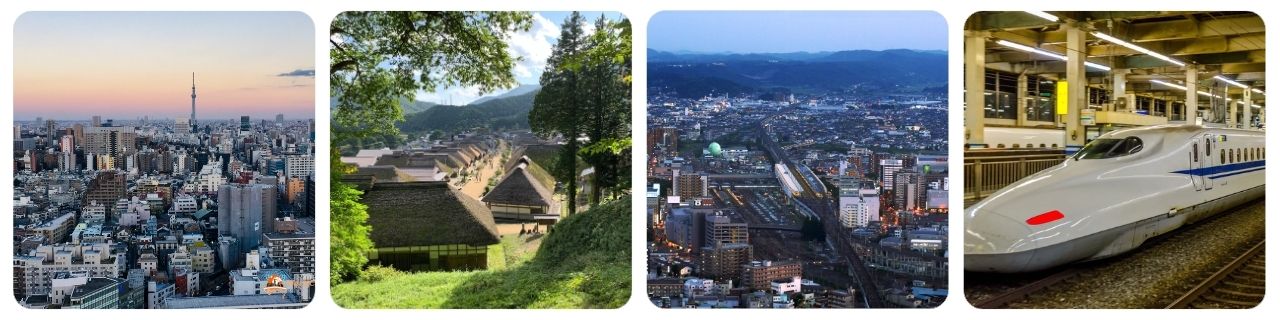
Tokyo and Aizu-Wakamatsu feel worlds apart—one a neon mega-city, the other a quiet samurai castle town—but the journey between them is straightforward once you understand your options.
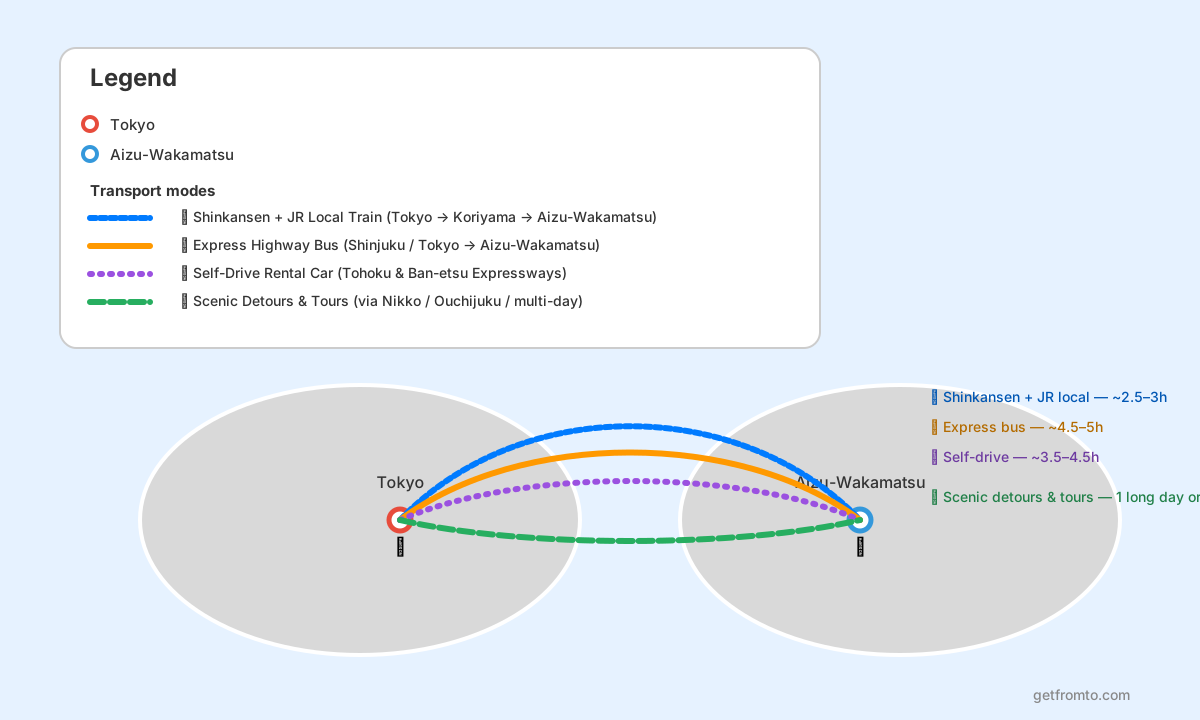
At A Glance (Tokyo to Aizu-Wakamatsu)
| Mode | Duration | Best For |
|---|---|---|
| 🚆 Shinkansen + JR Local Train (Tokyo → Koriyama → Aizu-Wakamatsu) | ~2.5–3h total (including transfer at Koriyama) | Fastest, most comfortable, JR Pass users |
| 🏷️ Cost: ~¥8,500–9,500 one-way in Ordinary Car (covered by JR passes) » compare trains Tokyo–Koriyama | check Japan rail tickets | ||
| 🚌 Express Highway Bus (Shinjuku/Tokyo → Aizu-Wakamatsu) | ~4.5–5h non-stop or with brief rest stops | Budget-conscious travelers, simple point-to-point |
| 🏷️ Cost: ~¥3,600–4,800 one-way (advance reservations usually required) » official Aizu/ JR bus info | ||
| 🚗 Self-Drive Rental Car (Tohoku & Ban-etsu Expressways) | ~3.5–4.5h driving, traffic & stops dependent | Scenic detours, families, lots of luggage |
| 🏷️ Cost: From ~¥7,000–10,000/day rental + ~¥5,000–7,000 tolls & fuel » compare car rentals in Tokyo | ||
| 🗼 Scenic Detours & Tours (via Nikko / Ouchijuku / multi-day) | 1 long day or 2+ days with sightseeing | Slow travel, photographers, culture lovers |
| 🏷️ Cost: From ~¥20,000+ per person for tours/passes » Aizu & Ouchijuku tour ideas | private Aizu walking tour | ||
Which Option or Route Should You Choose?
- Fastest / Most Convenient: Choose the Shinkansen + JR local train via Koriyama if you value speed, comfort, and easy transfers. It’s ideal for first-time visitors and works beautifully with JR rail passes.
- Cheapest / Most Economical: The express highway bus from Shinjuku or Tokyo Station usually undercuts rail prices while still dropping you right at Aizu-Wakamatsu Station.
- Most Scenic / Flexible Schedule: A self-drive road trip gives you freedom to stop at viewpoints, lakes, and onsen towns, or you can take scenic rail routes and guided tours that combine Aizu with spots like Ouchijuku.
- Best If You Have Big Luggage: Trains and buses both work, but consider forwarding or storing bags in Tokyo with services like Radical Storage so you can travel light into Aizu’s compact historic streets.
How to Book and Practical Tips
- Booking trains: You can buy Shinkansen and local JR tickets at any JR East ticket office (Midori no Madoguchi), or pre-check schedules and fares on platforms like Trip.com’s Japan train page. For multi-day Tohoku travel, passes like the JR EAST PASS (Tohoku area) can be purchased online or at major stations, and also via partners such as Klook.
- Booking buses: Seats on the Shinjuku/Tokyo ↔ Aizu-Wakamatsu express buses should be reserved in advance, especially on weekends and holidays. Check official timetables and reservation links via Aizu Bus / JR Bus Kanto.
- Hotels & onsen stays: Once your dates are set, browse stays in Aizu-Wakamatsu and nearby Higashiyama Onsen on Booking.com or look specifically at onsen ryokan in Higashiyama Onsen if you want hot springs.
- Private transfers & taxis: If you prefer door-to-door service from Tokyo airports or hotels before catching a train, you can arrange a private transfer through services like Welcome Pickups or GetTransfer. Within cities, Japanese taxi apps such as GO or S.Ride, plus Uber in selected areas, are handy alternatives.
- Luggage strategy: Large suitcases are fine on Shinkansen and express buses, but can be awkward in narrow streets. Coin lockers are common at Tokyo and Aizu-Wakamatsu stations, and third-party services like Radical Storage in Tokyo let you drop bags for a day (or longer) while you explore.
- Bikes & scooters: Confident riders wanting two wheels for side-trips around Tokyo or elsewhere in Japan can compare motorcycle and scooter rentals on BikesBooking and then connect by train or bus up to Aizu.
🚆 Option #1 — Shinkansen + JR Local Train via Koriyama (Fastest & Most Popular)
High speed JR Pass friendly Most reliable in all seasons
- Overview: Take a Yamabiko (or similar) train on the Tohoku Shinkansen from Tokyo or Ueno to Koriyama (~1h20), then transfer to the JR Ban-etsu West Line for Aizu-Wakamatsu (~1h10). Total time is usually around 2.5–3 hours, with one easy platform change.
- How to book (with price): A standard one-way fare in Ordinary Car is typically around ¥8,500–9,500 depending on seat type and season. You can check Japan-wide train prices and availability through Trip.com, or book JR East Shinkansen segments online via 12Go’s JR East page. For multiple Tohoku trips, consider the JR EAST PASS (Tohoku area) which covers this entire route.
- Pros: Fastest option; frequent departures; easy to use even with limited Japanese; fully covered by many JR rail passes; comfortable with reserved seating and luggage racks.
- Cons: More expensive than the bus without a rail pass; can be crowded during peak holiday periods (Golden Week, Obon, New Year), making seat reservations a good idea.
Step-by-step: Shinkansen + JR Local Train
- Get to Tokyo or Ueno Station: Use JR Yamanote Line, Tokyo Metro, or a taxi app (GO, S.Ride, Uber) to reach your departure station. If you’re coming directly from the airport, you can prebook a transfer to the station via Welcome Pickups or GetTransfer.
- Buy or collect your tickets/passes: At Tokyo or Ueno, look for JR ticket counters (Midori no Madoguchi) or green ticket machines. Show your route (Tokyo → Koriyama → Aizu-Wakamatsu) and choose reserved or non-reserved seats. Rail passes like the JR EAST PASS can be exchanged and seat reservations made at major JR East offices.
- Board the Tohoku Shinkansen to Koriyama: Follow the Shinkansen signs, pass through the Shinkansen gates, and find your car/seat on a Yamabiko (or similar) service bound for Sendai or beyond. Ride to Koriyama Station.
- Transfer to the Ban-etsu West Line: At Koriyama, follow signs for the Ban-etsu West Line toward Aizu-Wakamatsu/Kitakata. Transfers usually involve a short walk down or across a platform. Check the departure board for the next train to Aizu-Wakamatsu.
- Ride to Aizu-Wakamatsu Station: Enjoy a scenic ride through rural Fukushima. Upon arrival, you’ll exit at Aizu-Wakamatsu Station, where tourist information, buses, and taxis are right in front of the building.
- Continue to your hotel: Many hotels are within a short bus or taxi ride. If you haven’t booked yet, you can quickly search nearby stays around the station on Booking.com’s Aizu-Wakamatsu Station listings.
Getting to the main embarking points (Tokyo / Ueno Stations)
- From central Tokyo districts (Shinjuku, Shibuya, Ginza): Use JR lines or Tokyo Metro to reach Tokyo Station or Ueno Station in 10–30 minutes. Both are major hubs with English signage and clear Shinkansen icons.
- From Narita or Haneda Airport: From Narita, take the Narita Express or an airport bus to Tokyo Station; from Haneda, use the Tokyo Monorail + JR Yamanote Line or a limousine bus. If you prefer less hassle with bags, arrange a private airport transfer via Welcome Pickups or book a chauffeured car with GetTransfer.
- Using taxis in the city: In addition to classic street taxis, apps like GO and S.Ride are widely used; Uber operates mainly as a dispatch service in parts of Tokyo. These are convenient if you’re carrying heavy luggage or traveling late at night.
- Locations/Trip Planner: 🔗 Google Map / 🔗 OpenStreetMap
🚌 Option #2 — Express Highway Bus (Cheapest, Direct)
Low cost Direct to Aizu-Wakamatsu Fixed schedule
- Overview: Long-distance highway buses run between Tokyo (usually Shinjuku Expressway Bus Terminal or Tokyo Station) and Aizu-Wakamatsu Station in about 4.5–5 hours, often with rest stops at service areas along the expressway.
- How to book (with price): One-way fares are commonly around ¥3,600–4,800. You can check and reserve seats via the official express bus pages such as Aizu Bus / JR Bus Kanto (Shinjuku ↔ Aizu-Wakamatsu) or via the general Aizu Bus expressway bus overview.
- Pros: Usually the cheapest direct option; no transfers or platform changes; luggage is stored in the bus hold; seats are reserved so there’s no standing.
- Cons: Longer than the train; you’re tied to specific departure times; motion sickness can be an issue for some on winding sections or in winter conditions.
Step-by-step: Express Highway Bus
- Reserve your seat online: Visit the Shinjuku/Tokyo ↔ Aizu-Wakamatsu bus page to check schedules and make a reservation. Many sites accept foreign credit cards, but if not, ask at a major JR or bus terminal information desk in Tokyo.
- Arrive at the correct terminal: Most services depart from Shinjuku Expressway Bus Terminal (Busta Shinjuku), directly connected to JR Shinjuku Station, or occasionally from Tokyo Station. Check your confirmation email for the platform number.
- Check in and board: Arrive 15–30 minutes early, show your booking confirmation or QR code, and place large luggage in the bus hold. Keep valuables and a jacket with you in the cabin.
- Enjoy the ride: The bus will usually stop once or twice at service areas, where you can buy snacks and use restrooms. Announcements may be in Japanese only, but your final stop is clearly marked as Aizu-Wakamatsu.
- Arrive at Aizu-Wakamatsu Station: Buses typically arrive at the bus terminal area in front of Aizu-Wakamatsu Station, making transfers to taxis, local buses, or sightseeing buses (Haikara-san, Akabe) straightforward.
Getting to the main embarking points (Shinjuku Expressway Bus Terminal)
- From within Tokyo: Take any JR, Metro, or private railway line to Shinjuku Station. Follow signs for “Busta Shinjuku” or “Expressway Bus Terminal”; it’s directly connected to the station via escalators and elevators.
- From airports: Airport limousine buses and trains (Narita Express, Keisei Skyliner + Yamanote Line, or Haneda’s Monorail + JR) link easily to Shinjuku. If you arrive with heavy luggage or late at night, prebook a taxi transfer with Welcome Pickups or GetTransfer.
- Using ride-hailing: In central Tokyo, GO and S.Ride taxi apps, as well as Uber in some districts, are reliable options for a short ride to Shinjuku Station.
- Locations/Trip Planner: 🔗 Google Map / 🔗 OpenStreetMap
🚗 Option #3 — Self-Drive Rental Car (Scenic & Flexible)
Flexible stops Great for groups Requires confident driving
- Overview: Pick up a rental car in Tokyo and drive north via the Tohoku Expressway and Ban-etsu Expressway to Aizu-Wakamatsu. The drive is around 270 km and typically takes 3.5–4.5 hours depending on traffic and stops, with plenty of mountain and lake views.
- How to book (with price): Small to mid-size rentals often start from about ¥7,000–10,000 per day before tolls and fuel. Compare providers and vehicle types on Booking.com Car Rental (Tokyo). If you prefer not to drive yourself, consider booking a long-distance private transfer via GetTransfer.
- Pros: Total flexibility on departure time; easy to combine with side-trips to places like Lake Inawashiro, Urabandai, or Ouchijuku; door-to-door, which is handy with kids or heavy baggage.
- Cons: Tolls and fuel add up; winter driving can mean snow and ice, requiring snow tires and extra caution; city driving in Tokyo involves dense traffic and expensive parking.
Step-by-step: Self-Drive Tokyo → Aizu-Wakamatsu
- Reserve a suitable vehicle: Use Booking.com’s Tokyo car rental search to find an outlet near your hotel or a major station (Tokyo, Shinjuku, Ueno). Make sure your license (IDP or translation) is valid in Japan.
- Collect the car and check equipment: At pickup, confirm ETC (electronic toll card) availability, navigation in English, and winter tires if traveling between roughly December and March.
- Follow the expressways north: Leave Tokyo via the Shuto Expressway, continue on the Tohoku Expressway toward Koriyama, then follow signs for the Ban-etsu Expressway and Aizu-Wakamatsu. Service areas along the way have restrooms, food courts, and gas stations.
- Exit near Aizu-Wakamatsu: Follow the Aizu-Wakamatsu exit signs; from the expressway, it’s a short drive into town or directly to your accommodation or the station area.
- Park strategically: Many hotels include parking or offer it at a small extra charge. Around major attractions such as Tsuruga Castle, there are paid parking lots clearly signposted.
Getting to the main embarking points (Rental Locations in Tokyo)
- Station-area rentals: Most major Japanese and international rental companies have counters around Tokyo Station, Shinjuku, Ueno, and Ikebukuro. Choose a pickup spot that minimizes inner-city driving.
- Airport rentals: If you plan to drive immediately, you can rent from Narita or Haneda airport locations and head north from there, or instead take a transfer into the city using services like Welcome Pickups before picking up a car in central Tokyo.
- Ride-hailing alternative in cities: Even if you self-drive between cities, using taxi apps such as GO or S.Ride in Tokyo and Aizu-Wakamatsu for short hops can be easier than navigating narrow local streets yourself.
- Locations/Trip Planner: 🔗 Google Map / 🔗 OpenStreetMap
🗼 Option #4 — Scenic Routes & Tours (Tobu Railway, Nikko & Ouchijuku)
Very scenic Great if you’re already in Nikko/Kinugawa Longer travel time
- Overview: Instead of heading straight up by JR, you can approach Aizu-Wakamatsu via Nikko and Kinugawa Onsen using Tobu Railway and the Aizu Railway, or join guided tours that combine Aizu with nearby highlights like the post town of Ouchijuku.
- How to book (with price): Tobu Railway sells combined tickets and passes from Asakusa toward Aizu; check their “Samurai Town Aizu Wakamatsu” information for sample routes. Guided options include two-day itineraries such as this Klook 2-day tour covering Ouchijuku & Aizu-Wakamatsu, or customized private tours like the Aizu Private Tour with Government-Licensed Guide. Expect costs from around ¥20,000+ per person depending on inclusions.
- Pros: Beautiful countryside, historical side-trips, and less-crowded routes; ideal if you’re already visiting Nikko/Kinugawa or want a rail adventure beyond the standard Shinkansen route.
- Cons: Slower and usually more complex than JR via Koriyama; passes and transfers can be confusing; timetables may be less frequent, especially in winter.
Step-by-step: Scenic Detour via Nikko / Kinugawa / Aizu Railway (Example)
- Start in Asakusa or Nikko: From Tokyo’s Asakusa Station, ride a Tobu Limited Express toward Nikko or Kinugawa Onsen. If you’re already sightseeing in Nikko, you can start from there instead.
- Continue toward Aizu: From the Nikko/Kinugawa region, transfer to the Yagan Railway and then the Aizu Railway, heading north through mountains and valleys toward Aizu-Tajima and eventually Aizu-Wakamatsu.
- Combine with guided experiences: Many travelers combine this route with guided visits to Ouchijuku or local cultural experiences in Aizu. Use platforms like GetYourGuide’s Aizuwakamatsu activities to find themed tours (samurai history, food, winter scenery, etc.).
- Arrive in Aizu-Wakamatsu: Finish at Aizu-Wakamatsu Station, then use the city sightseeing buses or taxis to reach Tsuruga Castle, Nanukamachi, and other key sights.
Getting to the main embarking points (Asakusa / Nikko)
- From central Tokyo to Asakusa: Ride the Ginza Line subway, Tobu Skytree Line, or Toei Asakusa Line to Asakusa. The Tobu Asakusa Station is clearly signposted and directly under the iconic Tokyo Skytree view.
- Nikko as a stopover: If you’re joining tours or activities in Nikko first, you can book them through GetYourGuide’s Nikko tours and then continue onward to Aizu-Fukushima and Aizu-Wakamatsu by rail or bus.
- Tour pick-up points: Some multi-day tours and private excursions offer pick-up from central Tokyo hotels; check details on the product pages on Klook or GetYourGuide and confirm where you need to meet your guide or bus.
- Locations/Trip Planner: 🔗 Google Map / 🔗 OpenStreetMap
FAQ (Tokyo to Aizu-Wakamatsu)
Is the Shinkansen route from Tokyo to Aizu-Wakamatsu covered by JR rail passes?
Most long-distance JR passes (such as the nationwide Japan Rail Pass and the JR EAST PASS Tohoku Area) cover the Tokyo/Ueno → Koriyama section on the Tohoku Shinkansen and the local JR Ban-etsu West Line from Koriyama to Aizu-Wakamatsu. Always double-check current rules before purchase, as pass conditions can change.
How far in advance should I book train or bus tickets?
For Shinkansen, ordinary tickets usually don’t sell out far in advance except at major holidays, but seat reservations open about a month before departure. Buses can fill more quickly on weekends and holiday periods, so booking at least several days ahead is wise if you’re on a fixed schedule.
Is winter travel to Aizu-Wakamatsu difficult?
Aizu is famous for its snowy winters, but Shinkansen and mainline trains are designed to run reliably even in snow, though delays are still possible in severe storms. Highway buses and cars can be affected by road conditions; if you’re driving, make sure you have winter tires and are comfortable with snow driving.
Can I do Aizu-Wakamatsu as a day trip from Tokyo?
Yes, it’s possible as a long day trip by taking an early Shinkansen from Tokyo and returning in the evening, giving you several hours on the ground. Many travel planners recommend at least one night, especially if you want to enjoy onsen in nearby Higashiyama Onsen or explore multiple museums and samurai sites at a relaxed pace.
Where can I find official information about access and local transport in Aizu-Wakamatsu?
The sites below provide up-to-date details on trains, buses, passes, and local sightseeing transport around Aizu and Fukushima.

Related Tours/Services
Popular Routes
Recent Routes
- How to get from Oslo Opera House to Oslo Central Station
- How to get from Helsinki Cathedral to Helsinki Central Station
- How to get from Bucharest Old Town to Gara de Nord
- How to get from Ban Jelačić Square (Zagreb) to Zagreb Glavni Kolodvor
- How to get from Knez Mihailova Street (Belgrade) to Belgrade Centre (Prokop) Station
- How to get from The Bund (Shanghai) to Shanghai Railway Station
- How to get from Odori Park (Sapporo) to Sapporo Station
- How to get from Plaza de Armas to Terminal Alameda (Santiago)
- How to get from Times Square to Penn Station (New York)
- How to get from India Gate to New Delhi Railway Station
Top Travel Gears

zelin Anti Theft Zipper Clips, Travel Essentials, Carabiner, 4Pcs Grey
2026 Travel Essentials for Apple Watch Charger,Cruise Vacation Camping Essentials,iPhone Charger,Multi Charging Cable,3 in 2 Charging Docks for iWatch Series 12 11-2/Ultra,iPhone 17-12,Car

INIU 10000mAh 45W Fast Charging Portable Charger, Smaller Travel Power Bank

LISEN Airplane Travel Essentials for Flying Airplane Phone Holder for Desk
FYY Electronic Organizer, Travel Tech Pouch Bag, Cable Organizer Black
