

How to get from Venice to Rome
How to Get from Venice to Rome
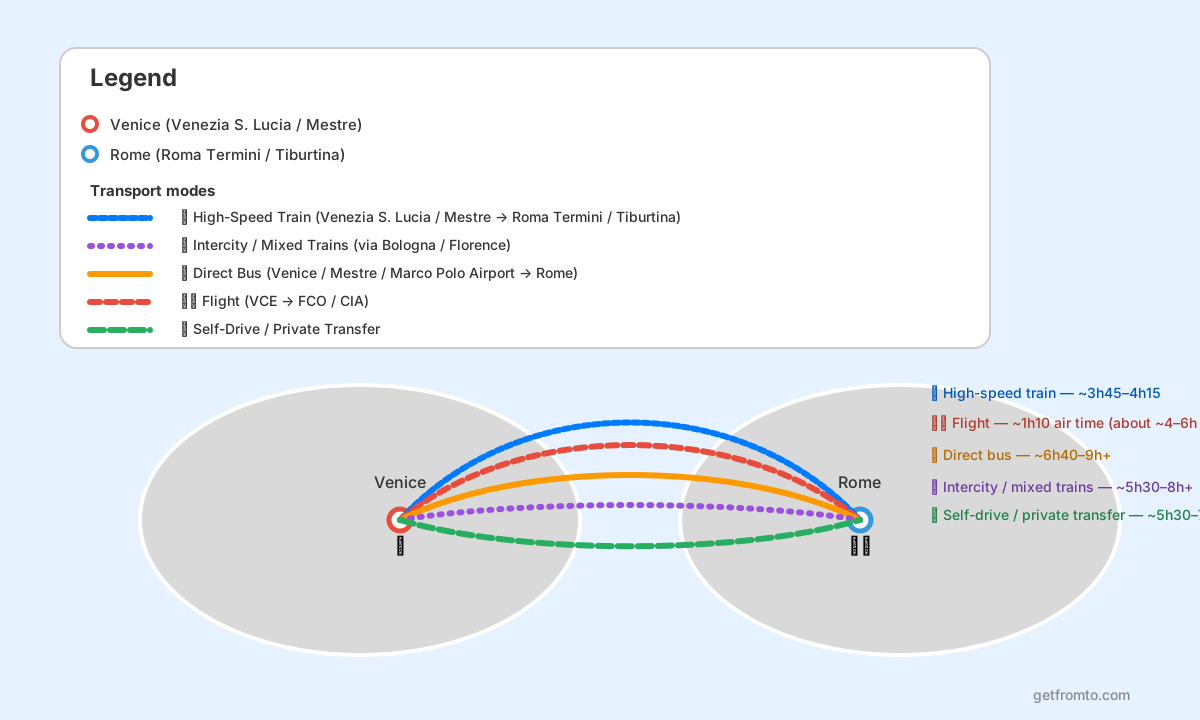
Venice to Rome is one of Italy’s easiest long-distance routes, with frequent high-speed trains, budget buses, flights, and self-drive options. For most travelers, the fastest and simplest choice is a direct high-speed train from Venezia Santa Lucia or Venezia Mestre to Roma Termini, while buses and flights can make sense for tighter budgets or airport-to-airport timing.
At A Glance (Venice to Rome)
| Mode | Duration | Best For |
|---|---|---|
| 🚄 High-Speed Train (Venezia S. Lucia/Mestre → Roma Termini/Tiburtina) | ~3h45–4h15 direct (station-to-station) | Fastest city-center to city-center travel |
| 🏷️ Cost: usually ~€25–€120 one-way depending on date/fare class » compare trains | alt. rail listings | ||
| 🚆 Intercity / Mixed Trains (via Bologna/Florence) | ~5h30–8h+ (usually 1–2 changes) | Cheaper fares, flexible schedules |
| 🏷️ Cost: ~€20–€70 one-way » compare rail options | ||
| 🚌 Direct Bus (Venice/Mestre/Marco Polo Airport → Rome) | ~6h40–9h+ (traffic/time-slot dependent) | Lowest cost, overnight travel |
| 🏷️ Cost: often ~€8–€40 one-way » compare buses | alt. listings | ||
| ✈️ Flight (VCE → FCO/CIA) | ~1h10 air time (+ airport transfers/check-in = ~4–6h total) | Airport connections, airline loyalty, specific flight deals |
| 🏷️ Cost: often ~€40–€180+ total depending on season/bags » search flights | alt. flight search | ||
| 🚗 Self-Drive / Private Transfer | ~5h30–7h driving (+ breaks, ZTL planning) | Door-to-door flexibility, families, stops en route |
| 🏷️ Cost: Car rental ~€45–€150+/day + tolls/fuel » compare car rentals | private transfer quotes | ||
Which Option or Route Should You Choose?
- Fastest / Most Convenient: Option #1 — High-Speed Train for center-to-center travel with minimal hassle.
- Cheapest / Most Economical: Option #3 — Direct Bus, especially if you can travel overnight or on weekdays.
- Most Flexible Schedule: Option #5 — Self-Drive / Private Transfer if you want stops (Bologna, Florence, Orvieto) and have luggage.
- Best Backup When Trains Are Expensive: Option #2 — Intercity / Mixed Trains or Option #3 — Direct Bus.
- Best for Airport Connections: Option #4 — Flight, especially if you are continuing from Rome Fiumicino.
How to Book and Practical Tips
- Book trains early for the best fares: Frecciarossa and Italo promo fares can be much cheaper 1–4+ weeks ahead than same-day tickets.
- Use the right departure station in Venice: Venezia Santa Lucia is inside historic Venice; Venezia Mestre is on the mainland and may have extra departures and lower fares.
- Check arrival station in Rome: Most high-speed trains arrive at Roma Termini or Roma Tiburtina. Pick the one closest to your hotel/next transfer.
- Validate/understand ticket rules: Digital tickets usually do not need platform validation, but fare changes/refunds vary by fare type and operator.
- Leave buffer for airport travel: Flights are short, but airport transfer + check-in/security can make total time longer than train travel.
- Bus stations vary: Venice-area buses may depart from Tronchetto, Mestre, or Marco Polo Airport; confirm exact stop on your ticket.
- Luggage storage helps on travel days: If you arrive early or check out before departure, compare left-luggage options like Radical Storage in Venice or Rome locations.
- Ride-hailing alternatives: In Italy, app-based taxis and ride services can vary by city/availability; official taxis and rail/airport shuttles are often the most reliable. You can also pre-book private pickups via Welcome Pickups Rome airport transfers or GetTransfer.
🚄 Option #1 — High-Speed Train (Best Overall, Fastest City-to-City)
Fastest overall City center to city center Best if booked early
- Overview: Direct high-speed trains (mainly Frecciarossa and Italo) connect Venice and Rome in roughly under 4 hours to a little over 4 hours depending on train and station pair.
- How to book (with price): Compare schedules on 12Go, then book directly on Trenitalia or Italo Venice→Rome tickets. Typical fares are often ~€25–€120 depending on timing and class.
- Pros: Fast, frequent, comfortable, productive (Wi-Fi/power on many services), no airport hassle. Cons: Last-minute fares can be expensive on peak days.
Step-by-step: High-Speed Train
- Choose your Venice station: Venezia Santa Lucia (historic center) or Venezia Mestre (mainland; often easier if staying near Mestre/airport).
- Pick your Rome arrival station: Usually Roma Termini or Roma Tiburtina; Termini is best for many hotels and onward metro.
- Compare departure times and fares: Use 12Go or Trip.com rail search for a quick overview, then buy direct if you want exact fare rules.
- Book direct if preferred: Trenitalia online tickets or Italo.
- Arrive early: Aim for 20–30 minutes before departure to find the platform and coach number (more if traveling with kids or bulky luggage).
- Board and ride: Keep your QR code/e-ticket ready; seat reservations are common on high-speed services.
- Arrive in Rome: Continue by metro/taxi/private transfer; if heading to the airport later, Termini has easy links including the Leonardo Express.
Getting to the main embarking points (Venezia Santa Lucia / Venezia Mestre)
- From Venice historic center to Venezia Santa Lucia: Walk if you are nearby (Cannaregio/Santa Croce), take vaporetto, or use a water taxi if carrying heavy luggage. Venice transit products and airport/city transport are listed on Venezia Unica.
- From Marco Polo Airport (VCE) to Venezia Mestre or Santa Lucia: Use ACTV/ATVO airport buses (tickets and options shown on Venezia Unica Marco Polo Airport page) or pre-book a private ride via Welcome Pickups Venice airport transfer.
- From Mestre hotels to Venezia Mestre station: Taxi, local bus, or short rideshare/taxi depending your location; official taxis are widely available.
- Locations/Trip Planner: 🔗 Google Map / 🔗 OpenStreetMap
🚆 Option #2 — Intercity / Mixed Trains (Cheaper Rail Alternative)
Budget rail More departures Longer journey
- Overview: You can travel on slower Intercity or mixed regional+high-speed combinations, often with 1–2 changes (commonly via Bologna or Florence).
- How to book (with price): Search 12Go or Trip.com, then confirm exact fare conditions on Trenitalia. Ballpark fares are often ~€20–€70.
- Pros: Can be cheaper than last-minute high-speed tickets. Cons: Longer travel time and tighter transfer connections if delayed.
Step-by-step: Intercity / Mixed Trains
- Search Venice → Rome by time and price: Include both Venezia Santa Lucia and Mestre for more results.
- Check number of changes: Favor routes with longer transfer buffers if you have luggage or are new to Italian stations.
- Book one ticket itinerary when possible: Easier if a delay affects a connection (fare rules vary).
- Arrive early and verify platform screens: Platform assignments can update close to departure.
- Keep essentials handy: Water, snacks, and a charged phone help on longer train days.
Getting to the main embarking points (Venezia Santa Lucia / Venezia Mestre)
- Santa Lucia: Best if staying in the historic center and you want to avoid mainland transfers.
- Mestre: Best for mainland hotels, airport access, and some lower fares.
- Luggage storage before boarding: If timing is awkward, use Radical Storage Venice.
- Locations/Trip Planner: 🔗 Google Map / 🔗 OpenStreetMap
🚌 Option #3 — Direct Bus (Most Popular Budget Option, Good Value)
Low cost Overnight-friendly Traffic-dependent
- Overview: Direct coaches run between the Venice area (including Mestre and sometimes Marco Polo Airport) and Rome in about 6h40–9h+ depending on route and stops.
- How to book (with price): Compare options on 12Go. Typical fares are often ~€8–€40. Major operators include FlixBus and Itabus (check exact stop names carefully).
- Pros: Cheapest option, lots of overnight schedules, decent luggage allowance. Cons: Longer ride, traffic delays, comfort varies by departure time and operator.
Step-by-step: Direct Bus
- Choose your bus stop carefully: Venice-area departures may be from Tronchetto, Mestre, or Marco Polo Airport area.
- Compare duration vs fare: Cheapest rides may be overnight or include more intermediate stops.
- Arrive 20–30 minutes early: Bus bays can be busy and boarding queues form quickly.
- Confirm Rome drop-off: Could be Rome Tiburtina, Anagnina, or an airport stop; choose based on your final destination.
- Keep essentials in a day bag: Charger, jacket, water, and valuables with you (not in the hold).
Getting to the main embarking points (Tronchetto / Mestre / Marco Polo Airport)
- Tronchetto: Reach by People Mover/vaporetto/taxi depending where you stay in Venice.
- Mestre bus stops: Often easiest from mainland hotels and airport buses.
- Marco Polo Airport departures: Convenient if you are already near the airport; city-airport transit and ticket options are on Venezia Unica.
- Locations/Trip Planner: 🔗 Google Map / 🔗 OpenStreetMap
✈️ Option #4 — Flight (Best for Airport-to-Airport Connections)
Good for connections Fast air time Airport time adds up
- Overview: Flights from Venice Marco Polo (VCE) to Rome Fiumicino (FCO) are short in the air (~1h10), but total trip time usually becomes ~4–6 hours once airport transfers and check-in/security are included.
- How to book (with price): Compare on Booking.com Flights or Trip.com Flights. Ballpark total fare is often ~€40–€180+ depending on bags, airline, and date.
- Pros: Useful for onward international flights from Rome and airline loyalty programs. Cons: Usually slower than high-speed rail door-to-door for city-center travelers.
Step-by-step: Flight (VCE → FCO/CIA)
- Get to Venice Marco Polo Airport (VCE): Use airport buses/water buses/private transfer; transit options are listed on Venezia Unica Marco Polo Airport.
- Check flight options and baggage rules: Budget fares may exclude cabin/checked baggage.
- Arrive early: Usually 2 hours before departure for domestic flights is comfortable in busy periods.
- Land in Rome (often Fiumicino): Airport info and real-time flight status are on Aeroporti di Roma (ADR).
- Continue to central Rome: Use train, taxi, or pre-booked transfer. For late arrivals or family groups, pre-booking can save stress with Welcome Pickups or GetTransfer.
Getting to the main embarking points (Venice Marco Polo Airport)
- From historic Venice: ACTV/ATVO bus or Alilaguna water connection (see official transport products).
- From Mestre: Frequent airport buses/taxis; often faster and cheaper than coming from the islands.
- Ride-hailing alternative note: Availability of app-based rides varies; official taxis and airport buses are dependable in Venice.
- Locations/Trip Planner: 🔗 Google Map / 🔗 OpenStreetMap
🚗 Option #5 — Self-Drive / Private Transfer (Flexible, Door-to-Door)
Door-to-door Great for families Tolls & ZTL planning
- Overview: Driving gives you freedom to stop in places like Bologna, Florence, or Orvieto, but city access rules (ZTL) and parking can complicate arrivals in both Venice and Rome.
- How to book (with price): Compare rentals on Booking.com Car Rental. Private intercity rides can be quoted on GetTransfer or local transfer platforms. Expect rental + fuel + tolls + parking.
- Pros: Flexible timing, easier for child seats and lots of luggage. Cons: Toll roads, parking costs, limited access zones, one-way rental fees.
Step-by-step: Self-Drive / Private Transfer
- Decide pickup point: Mestre or Venice airport is usually easier than inside historic Venice.
- Check one-way drop fees: Venice→Rome one-way rentals can be cost-effective or expensive depending on date/company.
- Plan for tolls and breaks: Autostrada routes are fast but tolled; carry a payment card and allow rest stops.
- Avoid ZTL mistakes: Confirm your Rome hotel parking instructions before driving into central areas.
- Private transfer alternative: If you do not want to drive, compare chauffeur quotes via GetTransfer or Welcome Pickups.
Getting to the main embarking points (Mestre / Venice Airport car rental areas)
- Best pickup zones: Venice Marco Polo Airport and Mestre are practical for car rental counters and road access.
- From historic Venice to pickup: Use vaporetto + bus/taxi, or a private transfer to avoid handling luggage across bridges.
- Optional bike segment: Some travelers combine rail + bike rental for short city rides; compare options on BikesBooking (more useful for local rentals than intercity travel).
- Locations/Trip Planner: 🔗 Google Map / 🔗 OpenStreetMap
FAQ (Venice to Rome)
What’s the easiest way to get from Venice to Rome?
For most travelers, the high-speed train is the easiest option because it is fast, frequent, and runs city center to city center.
How long is the train from Venice to Rome?
Direct high-speed services are usually around 3h45–4h15, depending on the train operator and stations.
Is flying faster than the train?
In the air, yes. Door-to-door, usually no for city travelers. The flight option often takes longer overall once airport transfers and security are included.
What is the cheapest way to travel from Venice to Rome?
Usually the direct bus, especially if you book early or take an overnight coach.
Should I depart from Venezia Santa Lucia or Mestre?
If you stay in historic Venice, Santa Lucia is more convenient. If you stay on the mainland or near the airport, Mestre can be easier and sometimes cheaper.
Which station in Rome is better: Termini or Tiburtina?
Termini is best for many hotels, metro connections, and onward airport trains; Tiburtina can be convenient for some bus arrivals and northeast Rome stays.
Can I store luggage in Venice or Rome before check-in?
Yes. You can use station luggage services where available or city luggage storage networks like Radical Storage.
Are private transfers worth it?
For families, groups, heavy luggage, or late arrivals, private transfer options can be worth the extra cost for door-to-door convenience.

Related Tours/Services
Popular Routes
Recent Routes
- How to get from The Bund (Shanghai) to Shanghai Railway Station
- How to get from Odori Park (Sapporo) to Sapporo Station
- How to get from Plaza de Armas to Terminal Alameda (Santiago)
- How to get from Times Square to Penn Station (New York)
- How to get from India Gate to New Delhi Railway Station
- How to get from Denpasar to Nusa Penida
- How to get from Venice to Rome
- How to get from Berlin to Munich
- How to get from Vienna to Bratislava
- How to get from Paris to London
Top Travel Gears

LISEN Airplane Travel Essentials for Flying Airplane Phone Holder for Desk

Clear Shoe Bags for Travel 5 PCS, Drawstring Travel Shoe Bags for Packing
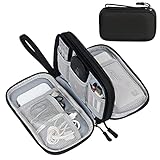
FYY Electronic Organizer, Travel Tech Pouch Bag, Cable Organizer Black
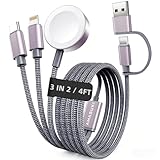
2026 Travel Essentials for Apple Watch Charger,Cruise Vacation Camping Essentials,iPhone Charger,Multi Charging Cable,3 in 2 Charging Docks for iWatch Series 11-2/Ultra,iPhone 17-12,Car

Luggage Straps Bag Bungee, Luggage Straps Suitcase Adjustable Belt,Add a Bag Easy to Travel Suitcase Elastic Strap Belt – (Black)
