
How to get from Shinjuku Gyoen to Shinjuku Station
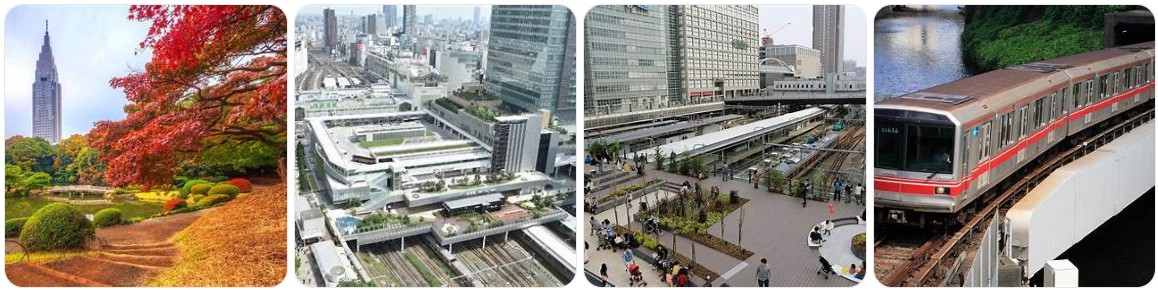
Shinjuku Gyoen and Shinjuku Station are very close, so the best route depends mostly on which gate you exit (Shinjuku Gate, Okido Gate, or Sendagaya Gate), how much luggage you have, and whether you prefer a quick walk or one short subway hop. Most travelers either walk (about 10–20 minutes depending on gate and destination exit in Shinjuku Station) or take the Tokyo Metro Marunouchi Line from Shinjuku-gyoemmae (M10) to Shinjuku (M08) for a one-stop ride with minimal effort.
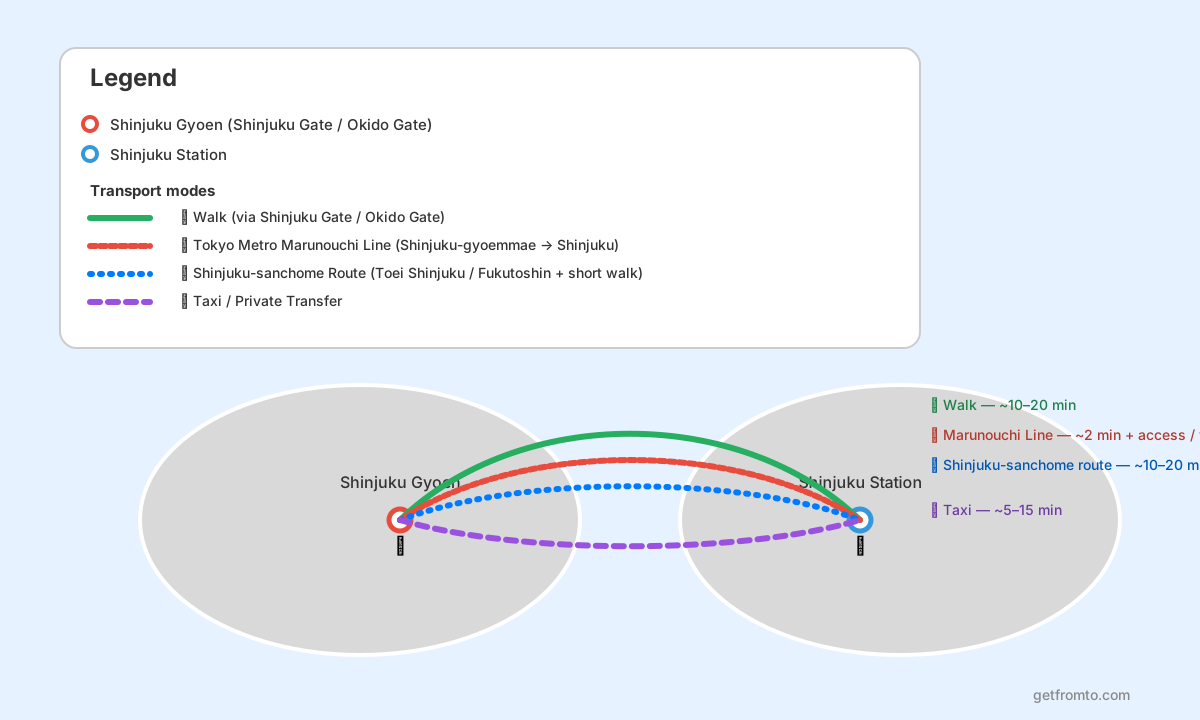
At A Glance (Shinjuku Gyoen to Shinjuku Station)
| Mode | Duration | Best For |
|---|---|---|
| 🚶 Walk (via Shinjuku Gate / Okido Gate) | ~10–20 min (gate + destination-exit dependent) | Budget travelers, nice weather, light luggage |
| 🏷️ Cost: Free | Optional luggage storage near Shinjuku | ||
| 🚇 Tokyo Metro Marunouchi Line (Shinjuku-gyoemmae → Shinjuku) | ~2 min ride + ~5–10 min access/wait | Fastest easy transit, rain, moderate luggage |
| 🏷️ Cost: ~JPY 180 adult IC/paper fare (typical short metro fare) | Tokyo Metro pass options | ||
| 🚇 Shinjuku-sanchome Route (Toei Shinjuku / Fukutoshin + short walk) | ~10–20 min total depending on gate and station exit | You are near Okido Gate / Shinjuku-sanchome side |
| 🏷️ Cost: ~JPY 180–220 (line/operator dependent) | Tokyo rail planning tips | ||
| 🚕 Taxi / Private Transfer | ~5–15 min (traffic-dependent) | Heavy luggage, mobility needs, late night, groups |
| 🏷️ Cost: ~JPY 700–2,000+ depending on traffic/time » private pickup options | alt. private car quotes | ||
Which Option or Route Should You Choose?
- Fastest/Most Convenient (light luggage): Option #2 — Tokyo Metro Marunouchi Line from Shinjuku-gyoemmae Station (Exit 1 is the well-known access point for Shinjuku Gyoen).
- Cheapest/Most Economical: Option #1 — Walk. It is free and often nearly as fast as transit once you count stairs/platform access/waiting time.
- Best if you exit near Okido Gate or plan to pass Shinjuku-sanchome: Option #3 — Shinjuku-sanchome Route (Toei/Tokyo Metro station area).
- Best for heavy luggage, strollers, or mobility limitations: Option #4 — Taxi / Private Transfer. Ride-hailing alternatives commonly used in Tokyo include GO, S.RIDE, Uber (taxi dispatch in many areas), and DiDi (availability varies).
How to Book and Practical Tips
- Know your gate first: Shinjuku Gyoen has multiple gates (Shinjuku Gate, Okido Gate, Sendagaya Gate). Your best route changes depending on where you exit.
- Know your target exit at Shinjuku Station: “Shinjuku Station” is huge. If you need JR New South Gate / South Gate, walking from Shinjuku Gate is often very practical.
- IC cards help: Suica/PASMO (or mobile IC) makes short subway hops faster than buying a ticket each time.
- Rainy day tip: Use Option #2 or Option #4 to reduce walking exposure.
- Luggage tip: If you are sightseeing before check-in, consider luggage storage in Shinjuku before navigating crowded station passages.
- For flights/hotels after arrival at Shinjuku: Compare flights and Shinjuku hotels if this leg is part of a bigger trip.
🚶 Option #1 — Walk (Cheapest, Often Easiest)
Free Simple Weather-dependent
- Overview: Walk from the gate closest to your position in Shinjuku Gyoen to your preferred Shinjuku Station exit. From Shinjuku Gate, the walk to the station’s south side is commonly about 10–15 minutes. From Okido Gate, allow roughly 15–20 minutes depending on pace and exact destination exit.
- How to “book” (with price): No booking needed; cost is free. If you want a guided city walk afterward, you can compare Tokyo walking tours or neighborhood activities on Klook Tokyo.
- Pros: Free, no transfers, good for photos and flexible routing. Cons: Less ideal in rain/heat or with heavy suitcases; Shinjuku Station entrances can still be confusing.
Step-by-step: Walking
- Confirm which gate you are leaving from: If you are near the main Shinjuku Gate, head toward the station’s south side; if near Okido Gate, you can walk toward Shinjuku-sanchome and continue to Shinjuku Station.
- Set your exact station goal: Choose a destination such as JR New South Gate, South Gate, or a subway entrance, not just “Shinjuku Station.”
- Use major roads as anchors: Stay on main streets and follow station signage; this is easier than relying only on underground passages on your first visit.
- If you have luggage: Consider storing bags first at Shinjuku Station luggage storage points or switching to Option #4.
Getting to the main embarking points (Shinjuku Gate / Okido Gate)
- From inside Shinjuku Gyoen: Follow internal signs to Shinjuku Gate if you want the most straightforward walk toward JR Shinjuku’s south side.
- From the eastern/southeastern side of the park: Okido Gate may be faster for routes passing Shinjuku-sanchome.
- If you entered via Sendagaya Gate: Walking to JR Shinjuku Station is longer; consider returning through the park toward Shinjuku/Okido side (if the park is open and re-entry rules/ticket timing allow) or use a train route from Sendagaya area instead.
- Locations/Trip Planner: 🔗 Google Map / 🔗 OpenStreetMap
🚇 Option #2 — Tokyo Metro Marunouchi Line (Fastest Easy Transit)
Quick ride Good in rain Station stairs/crowds
- Overview: Walk to Shinjuku-gyoemmae Station (M10) and ride one stop on the Tokyo Metro Marunouchi Line to Shinjuku Station (M08). The train ride itself is only about 2 minutes, but total door-to-door time is usually 8–15 minutes depending on platform access and your exit.
- How to book (with price): No advance booking required; pay with IC card or buy a ticket. Typical short metro fare is around JPY 180. If you are doing multiple subway rides in one day, compare Tokyo Metro pass deals or subway pass listings.
- Pros: Fast, sheltered, reliable frequency. Cons: Short walking still needed; station navigation in Shinjuku can be confusing at peak hours.
Step-by-step: Tokyo Metro Marunouchi Line
- Exit toward Okido/Shinjuku side of the park: For this option, you generally want to reach the area closest to Shinjuku-gyoemmae Station (Tokyo Metro Marunouchi Line).
- Go to Shinjuku-gyoemmae Station (M10): Follow signs to the station; Exit 1 is the commonly cited exit for access to Shinjuku Gyoen.
- Tap in with IC card or buy a ticket: Board the Marunouchi Line toward Shinjuku (M08).
- Ride one stop: Travel time is very short (about 2 minutes).
- Choose your Shinjuku exit carefully: After arrival, follow station signs for JR transfers or your target exit (South/New South/etc.).
Getting to the main embarking points (Shinjuku-gyoemmae Station M10)
- Best gate from the park: Okido Gate is usually the most convenient approach to Shinjuku-gyoemmae Station.
- From Shinjuku Gate: It is still possible to walk to Shinjuku-gyoemmae, but if your final destination is JR Shinjuku south side, walking directly may be just as easy.
- Accessibility: Check station facility details in advance if you need elevators or step-free routing.
- Locations/Trip Planner: 🔗 Google Map / 🔗 OpenStreetMap
🚇 Option #3 — Shinjuku-sanchome Route (Good from Okido Side)
Flexible Many exits Can be confusing
- Overview: Walk to Shinjuku-sanchome station area (Tokyo Metro Fukutoshin/Marunouchi and Toei Shinjuku Line access), then either take one stop or continue on foot depending on your destination in Shinjuku. This is useful if you are already on the Okido Gate / Shinjuku-sanchome side of the park.
- How to book (with price): No advance booking required; use IC card or station ticket machine. Typical short ride fare is around JPY 180–220 depending on operator/route. For larger Tokyo transit planning, you can also compare Trip.com rail search for intercity segments (not usually needed for this short hop).
- Pros: Great if your walking route naturally passes Shinjuku-sanchome; many connections. Cons: Multiple lines/exits can be overwhelming if you just want JR Shinjuku.
Step-by-step: Shinjuku-sanchome Route
- Leave via Okido Gate (recommended): This usually puts you closer to the Shinjuku-sanchome area than the park’s Shinjuku Gate.
- Walk to Shinjuku-sanchome station area: Follow signs or map navigation to your intended operator entrance (Tokyo Metro / Toei).
- Choose your route: If your final point is eastern Shinjuku, you may continue walking. If you need a specific rail connection, enter the station and ride as needed.
- For JR Shinjuku: You may still have a short underground or street-level walk after exiting, so confirm the exact exit before boarding.
Getting to the main embarking points (Shinjuku-sanchome Station)
- Best park exit: Okido Gate is generally the most logical starting point for Shinjuku-sanchome.
- Helpful exits near the park area: Shinjuku Gyoen’s official access guidance notes C1, C5, or E5 exits for Shinjuku-sanchome (depending on line/approach).
- If you are aiming for a specific department store or city block: This option can place you closer than JR Shinjuku’s giant concourse.
- Locations/Trip Planner: 🔗 Google Map / 🔗 OpenStreetMap
🚕 Option #4 — Taxi / Private Transfer (Most Comfortable)
Door-to-door Great with luggage Higher cost
- Overview: Take a street taxi from the gate area or pre-book a private transfer. This is usually 5–15 minutes depending on traffic and exact drop-off point at Shinjuku Station or nearby hotel.
- How to book (with price): Street taxis are easy to find in central Tokyo. Ballpark fare for this short trip is often around JPY 700–2,000+ depending on traffic/time-of-day. Private options can be checked via Welcome Pickups Tokyo or GetTransfer Tokyo.
- Pros: Easiest with suitcases, children, or mobility needs; direct drop-off. Cons: Most expensive option for a very short distance; traffic can reduce the time advantage.
Step-by-step: Taxi / Private Transfer
- Pick your pickup point: Use a gate with easy roadside access (usually Shinjuku Gate or Okido Gate area).
- Set exact drop-off: Ask for Shinjuku Station South Gate, New South Gate, or your hotel entrance near the station (more precise than just “Shinjuku Station”).
- Use a taxi app if preferred: In Tokyo, apps like GO, S.RIDE, Uber (taxi dispatch), and DiDi may be available depending on area/time.
- For groups: Compare one car vs. multiple subway fares—private transfer can be worth it if you are splitting the cost.
Getting to the main embarking points (roadside pickup near park gates)
- Shinjuku Gate side: Good if you want to arrive near JR Shinjuku south-side entrances.
- Okido Gate side: Often easier if you are already in the southeast side of the park and want minimal backtracking.
- Pickup note: Stand somewhere safe and easy to identify (gate signage / major corner), especially when booking through an app.
- Locations/Trip Planner: 🔗 Google Map / 🔗 OpenStreetMap
FAQ (Shinjuku Gyoen to Shinjuku Station)
What is the easiest way to get from Shinjuku Gyoen to Shinjuku Station?
For most travelers, the easiest option is either walking (if weather is good and luggage is light) or the Tokyo Metro Marunouchi Line for a quick one-stop ride.
How long does it take to walk from Shinjuku Gyoen to Shinjuku Station?
Typically 10–20 minutes, depending on which gate you exit and which Shinjuku Station exit you are targeting.
Which gate of Shinjuku Gyoen is best for Shinjuku Station?
Usually Shinjuku Gate is best for a direct walk toward JR Shinjuku’s south side, while Okido Gate is often better for Shinjuku-gyoemmae Station or Shinjuku-sanchome routes.
What is the nearest subway station to Shinjuku Gyoen?
A commonly used nearby station is Shinjuku-gyoemmae Station (Tokyo Metro Marunouchi Line), with Exit 1 noted in the garden’s access guidance for the park area.
Is taking a taxi worth it for such a short distance?
It can be worth it if you have heavy luggage, children, mobility needs, or bad weather. Otherwise, walking or the Marunouchi Line is usually better value.
Can I use ride-hailing apps in Tokyo for this route?
Yes, but availability and dispatch type vary. In Tokyo, travelers often use taxi-hailing/dispatch apps such as GO, S.RIDE, Uber (taxi dispatch in many areas), and DiDi.




Related Tours/Services
Popular Routes
Recent Routes
- How to get from PortMiami Cruise Terminal to Miami International Airport
- How to get from Samarkand to Bukhara
- How to get from Bell Tower (Xi’an) to Xi’an North Railway Station
- How to get from Canal City Hakata to Hakata Station
- How to get from Rialto Bridge (Venice) to Venezia Santa Lucia Station
- How to get from Florence Cathedral (Duomo) to Firenze Santa Maria Novella Station
- How to get from Nice to Paris
- How to get from Ribeira District (Porto) to Porto Campanhã Station
- How to get from Anne Frank House to Amsterdam Sloterdijk Station
- How to get from Buckingham Palace to London Victoria Station
Top Travel Gears

DUDE Wipes Unscented Pocket Packs, Adult Flushable Travel Wipes, 48 Count

zelin Anti Theft Zipper Clips, Travel Essentials, Carabiner, 4Pcs Grey

INIU 10000mAh 45W Fast Charging Portable Charger, Smaller Travel Power Bank | Flight-Safe, Detachable USB C Cable, Travel Essential, External Battery Phone Pack for iPhone 18 17 Samsung iPad etc
travel inspira Luggage Scale Digital Suitcase Weight Scale for Travel
2026 Travel Essentials for Apple Watch Charger,Cruise Vacation Camping Essentials,iPhone Charger,Multi Charging Cable,3 in 2 Charging Docks for iWatch Series 12 11-2/Ultra,iPhone 18 17-12,Car