

How to get from Nagoya Castle to Nagoya Station
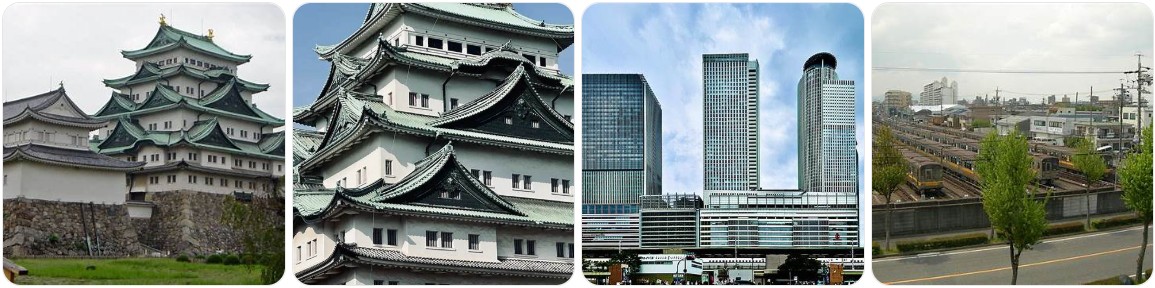
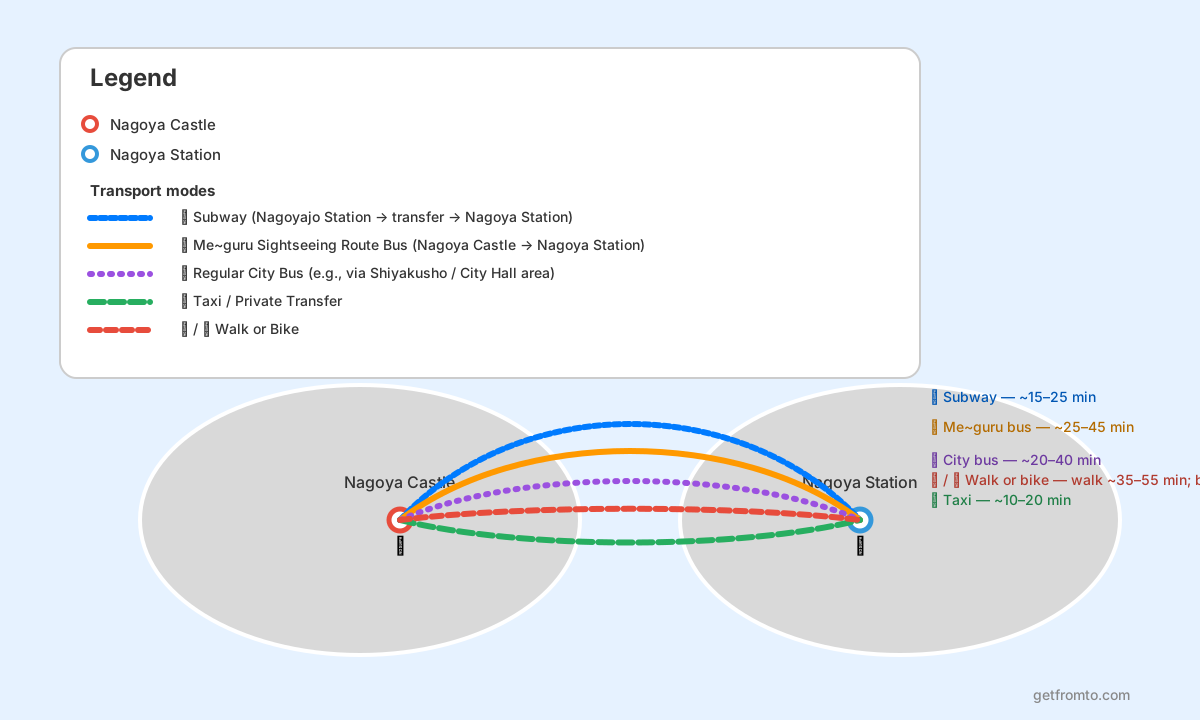
From Nagoya Castle to Nagoya Station, the easiest route for most travelers is the subway via Nagoya Municipal Subway; taxis are quickest door-to-door, while the Me~guru sightseeing bus is a fun option when it fits your schedule.
At A Glance (Nagoya Castle to Nagoya Station)
| Mode | Duration | Best For |
|---|---|---|
| 🚇 Subway (Nagoyajo Station → transfer → Nagoya Station) | ~15–25 min total (including station walks/transfer) | Most travelers, reliable and easy |
| 🏷️ Cost: usually ~JPY 210–270 one-way (adult) » subway fare info | Nagoya Castle tickets | ||
| 🚌 Me~guru Sightseeing Route Bus (Nagoya Castle → Nagoya Station) | ~25–45 min (service/timetable-dependent) | Sightseeing day, simple direct ride to station area |
| 🏷️ Cost: JPY 210 single ride / JPY 500 one-day pass » fees & service days | timetable | ||
| 🚌 Regular City Bus (e.g., via Shiyakusho / City Hall area) | ~20–40 min (traffic + waiting dependent) | Low-cost surface route without subway stairs |
| 🏷️ Cost: typically ~JPY 210 adult » castle bus access notes | ||
| 🚕 Taxi / Private Transfer | ~10–20 min | Fastest door-to-door, luggage, rainy weather |
| 🏷️ Cost: roughly ~JPY 1,500–3,500 depending on traffic/time » taxi tips | private transfer options | ||
| 🚶 / 🚲 Walk or Bike | Walk ~35–55 min / Bike ~15–25 min | Good weather, light bags, flexible sightseeing |
| 🏷️ Cost: Walk free / bike rental varies » bike rental search | store luggage first | ||
Which Option or Route Should You Choose?
- Fastest / Most Convenient: Option #4 (Taxi / Private Transfer) if you have heavy luggage, kids, or bad weather.
- Best Overall for Most Travelers: Option #1 (Subway) for a reliable, frequent route from the castle area to Nagoya Station.
- Cheapest / Most Economical: Option #5 (Walk) if you are traveling light; otherwise Option #1 or Option #3 are low-cost and practical.
- Most Scenic / Sightseeing-Friendly: Option #2 (Me~guru Sightseeing Bus) if the timetable matches your departure time.
- Least Stairs / Easier with Mobility Concerns: Option #3 (Regular City Bus) or Option #4.
How to Book and Practical Tips
- Use IC cards: Manaca (and many major Japanese IC cards) usually works on subway and buses, making short city transfers much easier.
- Subway is the safest time bet: Traffic can slow buses and taxis during peak hours and around central Nagoya.
- Check Me~guru service day first: It generally runs Tuesday–Sunday and is closed on Mondays (or the following day if Monday is a holiday), plus year-end/New Year closures.
- Luggage tip: If you want to keep sightseeing before heading to the station, use luggage storage in Nagoya or station coin lockers.
- Taxi app backup: In Japan, taxi booking via apps such as GO and Uber Taxi can be convenient if you do not want to hail on the street.
- Tour booking note: If you are combining transport with activities, compare Nagoya Castle tours on GetYourGuide, Klook listings, or Trip.com attraction info.
- Staying near the station: If you have an early train the next day, compare hotels near Nagoya Station.
🚇 Option #1 — Subway (Best Overall, Reliable Timing)
Reliable Frequent service Transfer required (usually)
- Overview: The most common route is from the castle area to Nagoyajo Station (Meijo Line), then transfer at Hisaya-odori (or sometimes Sakae, depending on route choice) and continue to Nagoya Station.
- Typical time: ~15–25 minutes total including walking inside stations and one transfer.
- How to book (with price): No advance booking needed. Buy a ticket at the subway machine or tap IC card at the gates. Typical short-trip subway fares are in the adult fare bands shown by the Transportation Bureau (commonly around JPY 210–270 for this trip, depending on route/fare band).
- Official references: Nagoya Castle access (Nagoyajo Station / Meijo Line) and Nagoya Subway fare/how-to-ride.
- Pros: Predictable, frequent, straightforward, good in rain. Cons: Transfer and station walking; less convenient with very large luggage.
Step-by-step: Subway from Nagoya Castle to Nagoya Station
- Exit Nagoya Castle and walk to Nagoyajo Station (Meijo Line). The castle’s official access page lists Nagoyajo (M07) as a primary subway stop.
- At the station, buy a ticket or tap your IC card (Manaca/Suica/PASMO, etc.).
- Ride the Meijo Line toward your transfer point (commonly Hisaya-odori for the Sakuradori Line, or Sakae for the Higashiyama Line route).
- Transfer to the line for Nagoya Station and follow signs for “Nagoya”.
- Arrive at Nagoya Station and use the exit that best matches your next connection (JR, Shinkansen, Meitetsu, Kintetsu, or subway).
Getting to the main embarking points (Nagoyajo Station / Castle exits)
- From the castle grounds: Follow signs for the subway and head toward Nagoyajo Station (Meijo Line). The walk is usually short from the main visitor areas.
- Alternative subway access: The castle also lists Sengencho Station (Tsurumai Line) as another possible station if it is closer to your exit point.
- If carrying large bags: Consider sending/storing luggage first at the station area using luggage storage options so the transfer is easier.
- Locations/Trip Planner: 🔗 Google Map / 🔗 OpenStreetMap
🚌 Option #2 — Me~guru Sightseeing Route Bus (Direct, Tourist-Friendly)
Direct route feel Great for sightseeing day Timetable-dependent
- Overview: The Me~guru Nagoya Sightseeing Route Bus connects major sights and the Nagoya Station area, and Nagoya Castle is one of its key stops.
- Typical time: ~25–45 minutes from the castle area to Nagoya Station depending on waiting time and traffic.
- How to book (with price): Single ride is JPY 210 (adult); Me~guru One-Day Pass JPY 500 (adult). Tickets can be bought on board (subject to availability) and at listed purchase locations.
- Service notes: Me~guru service is typically Tuesday to Sunday, closed Mondays (or following holiday), plus year-end/New Year closures. Timetables vary by weekday vs weekends/holidays.
- Pros: Easy sightseeing route, no subway transfer, fun for first-time visitors. Cons: Less frequent than subway, traffic delays, not ideal if you must catch a tight train connection.
Step-by-step: Me~guru bus to Nagoya Station
- Check the Me~guru timetable and confirm your departure window.
- Walk from the castle to the designated Me~guru stop (the castle area is a listed Me~guru stop in official access information).
- Board the correct direction bus for Nagoya Station (double-check route direction if you are not starting at the beginning of the loop).
- Pay single fare or use/purchase a Me~guru One-Day Pass.
- Get off at the Nagoya Station stop and walk to the JR/Subway/Meitetsu/Kintetsu area you need.
Getting to the main embarking points (Me~guru stop near Nagoya Castle)
- From the castle: Nagoya Castle is a recognized Me~guru stop area; follow local signs and confirm the stop marker before boarding.
- Direction check: Me~guru uses a sightseeing loop, so verify that your bus is heading toward Nagoya Station rather than continuing deeper into the loop first.
- If you have extra time: A Me~guru One-Day Pass can be better value if you are also visiting other stops that day.
- Locations/Trip Planner: 🔗 Google Map / 🔗 OpenStreetMap
🚌 Option #3 — Regular City Bus (Simple Surface Route, No Subway Needed)
Low cost No underground transfer Traffic-dependent
- Overview: Nagoya Castle’s official access notes list bus access points including Shiyakusho (City Hall) and other city bus routes. Depending on where you exit the castle area, a regular city bus can be practical to reach Nagoya Station.
- Typical time: ~20–40 minutes including waiting and city traffic.
- How to book (with price): Usually pay on board or use IC card. Ballpark fare is typically around JPY 210 for a city bus ride in central Nagoya.
- Pros: No station stairs/escalator transfers, nice above-ground city views. Cons: Route numbers/stops can be confusing for first-time visitors; traffic may slow the trip.
Step-by-step: Regular city bus to Nagoya Station
- From the castle gate area, walk to a nearby city bus stop (for example around Shiyakusho / City Hall area) depending on your chosen route.
- Use a map app or local stop board to confirm the next bus going toward Nagoya Station.
- Board using cash/IC card and keep track of stop names on the onboard display.
- Get off at the Nagoya Station bus stop area and walk into the station complex.
Getting to the main embarking points (City Hall / Castle-side bus stops)
- Castle-side access: The castle’s official page mentions buses stopping at Nagoyajo Seimon-Mae and Shiyakusho, which are useful reference points when planning a bus departure.
- Use local stop signage: Bus route numbers and boarding bays matter; verify destination text for Nagoya Station before boarding.
- Backup plan: If the next bus is far away, switch to the subway option for a faster departure.
- Locations/Trip Planner: 🔗 Google Map / 🔗 OpenStreetMap
🚕 Option #4 — Taxi / Private Transfer (Fastest Door-to-Door)
Fastest Door-to-door Higher cost
- Overview: A taxi is the easiest option if you want direct drop-off at a specific Nagoya Station entrance (JR, Shinkansen, hotel side, etc.).
- Typical time: ~10–20 minutes depending on traffic, weather, and exact pickup/drop-off points.
- How to book (with price): Street-hail near the castle area, ask your hotel to call one, or use taxi apps (GO / Uber Taxi in Japan). Ballpark cost is often around JPY 1,500–3,500 for this short central-city ride.
- Private pre-booked alternatives: You can compare Welcome Pickups in Nagoya or GetTransfer Nagoya options for more fixed planning, especially if you prefer pre-arranged pickups.
- Ride-hailing/taxi app alternatives: GO (popular taxi app in Japan) and Uber Taxi in Nagoya can be useful for cashless booking and navigation support.
- Pros: Fast, easy with luggage, minimal walking. Cons: Higher cost and variable traffic.
Step-by-step: Taxi / private transfer to Nagoya Station
- Choose your pickup point near the castle gate or a nearby taxi stand / main road where vehicles can stop safely.
- Tell the driver your destination clearly: Nagoya Station plus your preferred side (JR Central, Shinkansen, Taiko-dori, Sakura-dori, etc.) if known.
- If using an app, pin your pickup point carefully because castle-area roads and gates can be confusing for first-time visitors.
- Allow extra buffer time during rush hour if you have a fixed train departure.
Getting to the main embarking points (Taxi pickup near castle)
- Best pickup spots: Main gate areas, larger roads, or a clear landmark near Nagoya Castle are easier for drivers to find than small side streets.
- With luggage: This is usually the most comfortable choice if you are heading straight to a long-distance train or hotel.
- Compare before you commit: Street taxi may be fastest immediately; pre-booked services may be helpful if you want English support or fixed planning.
- Locations/Trip Planner: 🔗 Google Map / 🔗 OpenStreetMap
🚶 Option #5 — Walk or Bike (Flexible, Good in Nice Weather)
Flexible Scenic city views Not ideal with luggage
- Overview: If you are traveling light and want a city stroll, walking from Nagoya Castle to Nagoya Station is possible. Cycling can cut the time significantly.
- Typical time: Walk ~35–55 minutes depending on pace/route; bike ~15–25 minutes.
- How to book (with price): Walking is free. For bicycles, compare city rentals or booking portals such as BikesBooking (availability varies by season/provider).
- Luggage tip: Drop bags at Radical Storage in Nagoya or station lockers before/after your castle visit.
- Pros: Flexible, photo stops anytime, no waiting. Cons: Weather exposure, navigation effort, inconvenient with suitcases.
Step-by-step: Walking / cycling to Nagoya Station
- Open a walking or cycling route in Google Maps and choose the station entrance closest to your next train.
- Leave the castle area and follow major roads toward central Nagoya / Nagoya Station district.
- If cycling, confirm where you can legally park/return the bicycle near Nagoya Station before departure.
- Arrive at Nagoya Station and allow a few extra minutes to navigate the large station complex.
Getting to the main embarking points (Castle exits for walking/cycling)
- Start from a main castle exit: This makes navigation easier and improves your chance of finding a direct main-road route.
- Weather check: Summer heat and rain can make the walk much slower—switch to subway or taxi if needed.
- Bike availability: Rental availability is not guaranteed near the castle, so check ahead if cycling is your main plan.
- Locations/Trip Planner: 🔗 Google Map / 🔗 OpenStreetMap
FAQ (Nagoya Castle to Nagoya Station)
What is the easiest way to get from Nagoya Castle to Nagoya Station?
For most travelers, the subway is the easiest and most reliable option. If you have luggage or a tight schedule, taxi/private transfer is the simplest door-to-door choice.
How long does it take from Nagoya Castle to Nagoya Station?
It depends on the route: subway is often ~15–25 minutes total, Me~guru bus or regular bus can be ~20–45 minutes depending on waiting/traffic, and taxi is commonly ~10–20 minutes.
Which subway station should I use from Nagoya Castle?
The castle’s official information lists Nagoyajo Station (Meijo Line) as the main subway stop, with Sengencho Station (Tsurumai Line) as another option depending on where you exit the castle area.
Is there a direct bus from Nagoya Castle to Nagoya Station?
The Me~guru sightseeing route bus is the most tourist-friendly bus option connecting major sights and Nagoya Station area, but it is timetable-dependent and not the best choice for urgent train connections.
How much does it cost?
Expect roughly JPY 210–270 for subway, JPY 210 for a Me~guru single ride (or JPY 500 one-day pass), and approximately JPY 1,500–3,500 for a taxi depending on traffic and exact drop-off point.
Can I use ride-hailing apps in Nagoya?
Yes—many travelers use taxi-booking apps in Japan such as GO and Uber Taxi. You can also pre-book private transfers via Welcome Pickups or GetTransfer.
What if I have big luggage and still want to visit the castle first?
Use station coin lockers or a luggage service such as Radical Storage in Nagoya, then use the subway or taxi afterward.





Related Tours/Services
Popular Routes
Recent Routes
- How to get from Oslo Opera House to Oslo Central Station
- How to get from Helsinki Cathedral to Helsinki Central Station
- How to get from Bucharest Old Town to Gara de Nord
- How to get from Ban Jelačić Square (Zagreb) to Zagreb Glavni Kolodvor
- How to get from Knez Mihailova Street (Belgrade) to Belgrade Centre (Prokop) Station
- How to get from The Bund (Shanghai) to Shanghai Railway Station
- How to get from Odori Park (Sapporo) to Sapporo Station
- How to get from Plaza de Armas to Terminal Alameda (Santiago)
- How to get from Times Square to Penn Station (New York)
- How to get from India Gate to New Delhi Railway Station
Top Travel Gears

zelin Anti Theft Zipper Clips, Travel Essentials, Carabiner, 4Pcs Grey
2026 Travel Essentials for Apple Watch Charger,Cruise Vacation Camping Essentials,iPhone Charger,Multi Charging Cable,3 in 2 Charging Docks for iWatch Series 12 11-2/Ultra,iPhone 17-12,Car

INIU 10000mAh 45W Fast Charging Portable Charger, Smaller Travel Power Bank

LISEN Airplane Travel Essentials for Flying Airplane Phone Holder for Desk
FYY Electronic Organizer, Travel Tech Pouch Bag, Cable Organizer Black
